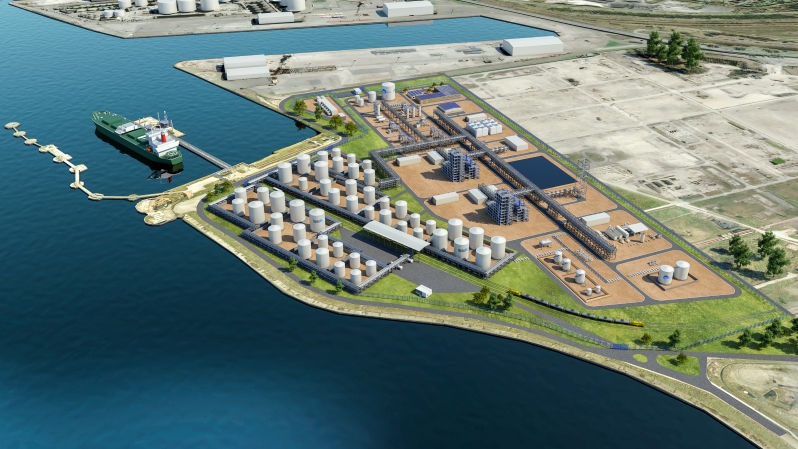
Technip Energies, Airbus, Safran and Tereos (Rebound JV) plan to undertake a sustainable aviation fuel (SAF) project – one of largest in Europe – at the Port of Dunkirk in northern France. The facility will use the Alcohol-to-Jet (AtJ) production pathway and is expected to produce approximately 160,000 tonnes of SAF annually. The Port of Dunkirk SAF project will support decarbonization in aviation while strengthening France’s industrial base and Europe’s energy security. The latter is also of great importance as Strait of Hormuz disruptions from the US-Israel-Iran war continues to strain supplies globally.
‘Rebound’ SAF Project in France: Overview
The Rebound SAF project in France is being developed as a large-scale industrial platform dedicated to producing sustainable aviation fuel from bioethanol. It is located at the Port of Dunkirk, one of Europe’s leading industrial and logistics hubs. The facility will also make use of existing infrastructure and supply-chain advantages at the port to serve both French and European aviation markets.
Alcohol-to-Jet Pathway and the Facility’s Production Capabilities
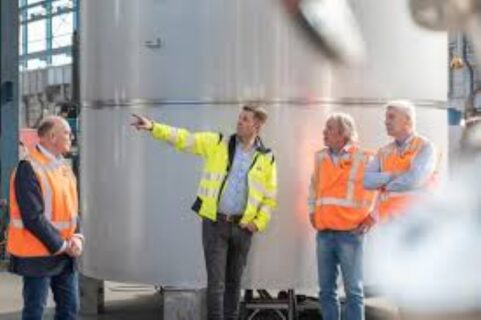
According to the project partners, the plant will use the Alcohol-to-Jet production pathway. This technology is increasingly viewed as a key route for expanding SAF supply due to its compatibility with existing aviation infrastructure and feedstock flexibility.
Once operational, the facility is expected to produce around 160,000 tonnes of SAF per year. This ranks it among the largest Alcohol-to-Jet projects currently planned in Europe. The partners also intend to finalize the joint venture structure during the second half of 2026 before advancing detailed development and permitting activities.
Additionally, the project will contribute to EU and French aviation decarbonization goals. This is while increasing the availability of lower-carbon fuels for airlines operating across the continent.
SAF is regarded as one of the most practical near-term solutions for reducing aviation emissions because it can be used within existing aircraft fleets and fueling infrastructure. Depending on the production pathway and feedstock used, lifecycle emissions reductions can be substantial compared with conventional jet fuel.
Europe’s Sustainable Aviation Fuel (SAF) Ambitions
The launch of Rebound comes amid growing momentum across Europe to develop domestic SAF production capacity. Regulatory mandates are increasing demand for sustainable aviation fuels. European governments and key industry players are also seeking to reduce dependence on imported fossil fuels. Furthermore, France is emerging as one of the continent’s leading markets for SAF development, supported by industrial expertise, strong agricultural resources and ambitious climate objectives.
For Technip Energies, the project aligns with its broader strategy of expanding its presence in sustainable fuels and energy transition infrastructure. The company has recently increased investments in both bio-based and synthetic aviation fuel projects. It is now positioning itself as a major technology and engineering provider within the emerging SAF sector.

The involvement of Airbus and Safran also reflects growing commitment from the aviation industry to secure long-term supplies of sustainable fuels that can help reduce the industry’s carbon footprint. Meanwhile, Tereos brings significant expertise in agricultural processing, sugar production, alcohol manufacturing and bio-based feedstocks. This makes it a strategic partner for supplying and integrating ethanol-based production pathways.
Project Financing
The project partners have not yet disclosed the total investment value for the Rebound development. Financial details, ownership structure and potential public-sector support mechanisms are expected to be clarified as the JV progresses toward formalization in the second half of 2026.
Given the scale of the facility and the importance of SAF to European decarbonization objectives, the project could potentially benefit from national and EU industrial support programs. These will center on those aimed at clean fuel production and reducing aviation emissions. Similar SAF initiatives across France and Europe have received backing through innovation and energy-transition funding mechanisms. These initiatives also include the £2 billion Teesside SAF plant that is a recipient of multiple UK Advanced Fuels Fund (AFF) awards.
Fact Sheet for Rebound Sustainable Aviation Fuel (SAF) Project in France
Location: Port of Dunkirk
Technology: Alcohol-to-Jet (AtJ)
Expected Production Capacity: Approximately 160,000 tonnes of SAF per year
Status: Joint venture (JV) agreement announced
JV Formalization Target: Second half of 2026
Developers: Technip Energies, Airbus, Safran and Tereos
Project Team
The Rebound consortium combines expertise from across the aviation, industrial engineering and bioeconomy sectors:
- Technip Energies – Engineering, technology integration and project development.
- Airbus – Aviation sector and SAF ecosystem development.
- Safran – Aerospace technology and aviation decarbonization support.
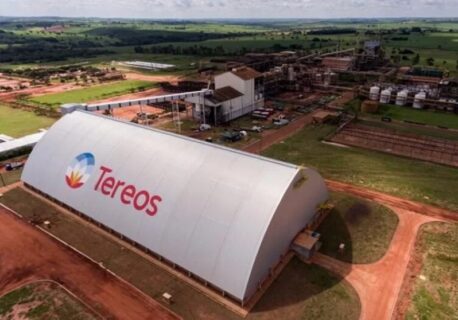
- Tereos – Bioethanol production and feedstock supply.
‘Rebound’ SAF Project in France: Development Outlook
The Rebound project represents one of the most significant SAF developments announced in Europe this year. It also highlights the growing pursuit of aviation decarbonization in the region. If successfully delivered, the facility could become a cornerstone of France’s sustainable fuels industry. It will also contribute meaningfully to Europe’s objective of building a resilient domestic SAF supply chain.
With demand for sustainable aviation fuel expected to rise sharply over the coming decade, projects of this scale are likely to play a key role in supporting the long-term competitiveness of the European aviation sector.