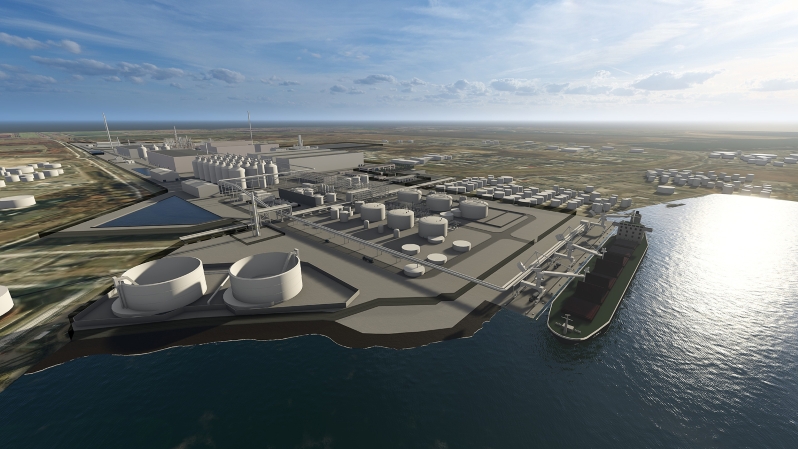
Lighthouse Green Fuels (LGF), the Alfanar-backed sustainable aviation fuel developer, is advancing its £2 billion Teesside SAF plant toward a critical UK planning phase as the project enters the Development Consent Order (DCO) submission process in 2026.
Located at Seal Sands within the Tees Valley industrial cluster, the project is one of largest second-generation SAF developments in Europe. It is supported by repeated UK Advanced Fuels Fund awards and is also aligned with Britain’s SAF Mandate and Jet Zero Strategy.
The facility is designed to convert sustainably sourced biomass residues into approximately 180 million litres of SAF annually. This is alongside renewable naphtha, while integrating carbon capture infrastructure that could enable lifecycle emissions savings of up to 750,000 tonnes of CO2 per year.
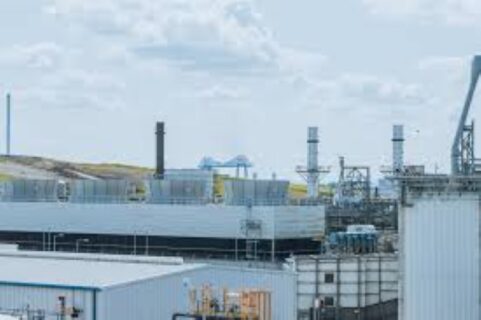
Lighthouse Green Fuels (LGF) Teesside SAF Facility Project Fact Sheet
Location: Seal Sands, Teesside, UK
Developer: LGF Projects Limited
Parent Company: Alfanar Group
Estimated Investment: Over £2 billion
Project Type: Sustainable Aviation Fuel (SAF) biorefinery
Feedstock: Forestry residues, agricultural by-products, biomass residues
Annual SAF Production: 180 million litres
Co-product: 30 million litres renewable naphtha annually
Feedstock Volume: 1.5 million tonnes annually
Carbon Savings: Up to 350,000 tCO2 annually; potentially 750,000 tCO2 with CCS integration
Construction Jobs: 2,000
Operational Jobs: 300 direct roles; over 600 regional jobs
Government Support: Multiple UK Advanced Fuels Fund awards
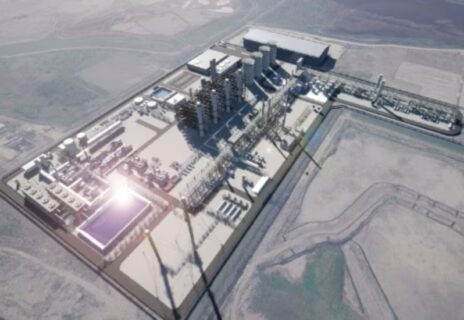
Project Development Timeline
2021-2023
- Early-stage concept development
- Initial Advanced Fuels Fund support secured from the UK Government
2024
- Public consultation launched for the original Billingham-area proposal
- FEED and engineering work accelerated with additional government backing
2025
- Project relocated to a larger Seal Sands site to improve logistics integration and future expansion potential
- Third consecutive Advanced Fuels Fund award secured
- Updated branding and revised project configuration unveiled publicly
2026
- Statutory consultation phase underway
- DCO application targeted for Summer 2026 submission to the UK Planning Inspectorate
- Environmental assessment and stakeholder engagement continuing
2027
- Target Final Investment Decision (FID)
- Financing and EPC structuring expected
2028-2030
- Main construction phase anticipated
2030-2031
- Expected commissioning and start of commercial SAF production
Project Team
Developer
- Lighthouse Green Fuels (LGF Projects Limited)
- Alfanar Group
Government Support
- UK Department for Transport
- UK Advanced Fuels Fund
- Department for Energy Security and Net Zero
Regional Infrastructure Ecosystem
- Tees Valley industrial cluster
- Teesside carbon capture infrastructure network
Lighthouse Green Fuels Confirms £2bn Teesside SAF Plant
September 13, 2025 – Lighthouse Green Fuels has confirmed plans to build a £2 billion sustainable aviation fuel (SAF) plant on Teesside. The project will turn the North Tees industrial cluster into a centre for low-carbon aviation, producing jet fuel from waste biomass while cutting significant carbon emissions.
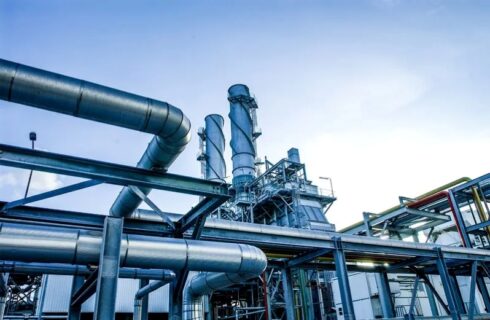
Project Snapshot – Lighthouse Green Fuels Teesside SAF Plant
Location: North Tees industrial cluster, Teesside
Total Investment: £2 billion
Annual Fuel Output: Up to 180 million litres of sustainable jet fuel
Flight Coverage: Powers 25,000 short-haul or 2,500 long-haul flights annually.
Government Support: £40 million from the Department for Transport’s Advanced Fuels Fund.
The Teesside SAF plant will convert 1.5 million tonnes of biomass each year into up to 180 million litres of sustainable jet fuel. This output can power 25,000 short-haul or 2,500 long-haul flights annually. The facility will also link with the Northern Endurance Partnership’s carbon capture network, avoiding more than 750,000 tonnes of CO₂ emissions each year.
Lighthouse Teesside SAF Plant Boosts Region’s Low-Carbon Leadership
Tees Valley Mayor Ben Houchen secured the investment during meetings in Riyadh with senior Alfanar executives. He described the project as a milestone for the region’s low-carbon ambitions and a chance for Teesside to lead in a fast-growing industry.
The Teesside SAF plant positions the region as a leading hub for sustainable aviation fuels in the UK. With strong private and government backing, Lighthouse Green Fuels combines innovation and environmental impact, setting a model for the low-carbon energy sector.
The Lighthouse Green Fuels Teesside SAF plant mirrors global trends in sustainable industrial energy. Similar to the US$3 bn Acelen SAF Biorefinery in Brazil and the Horsley Park Bioenergy Facility in Australia, these projects convert biomass waste, used oil and other feedstock into renewable fuel. This is by reducing reliance on fossil fuels and cutting carbon emissions. By linking industrial growth with environmental responsibility, Teesside is positioning itself as a UK hub for low-carbon aviation, just as Horsley Park supports greener manufacturing.
Lighthouse Teesside SAF Project Development Outlook
With strong backing from Alfanar and continued support through the UK Government’s Advanced Fuels Fund, the development of Lighthouse Teesside SAF plant is well positioned to become one of Europe’s largest sustainable aviation fuel facilities. This will be alongside other newer facilities including the Rebound SAF Project in France backed by Technip Energies, Airbus, Safran and Tereos.
The proposed Teesside plant is expected to play a significant role in supporting the UK’s SAF Mandate and Jet Zero ambitions while strengthening domestic fuel security and industrial decarbonization efforts. Although final planning approvals, financing and construction execution remain key milestones, the project’s advanced development status and strategic location within the Teesside low-carbon cluster, plus integration with carbon capture infrastructure place it among the UK’s most promising SAF developments expected to come online in the coming decade.




Leave a Reply