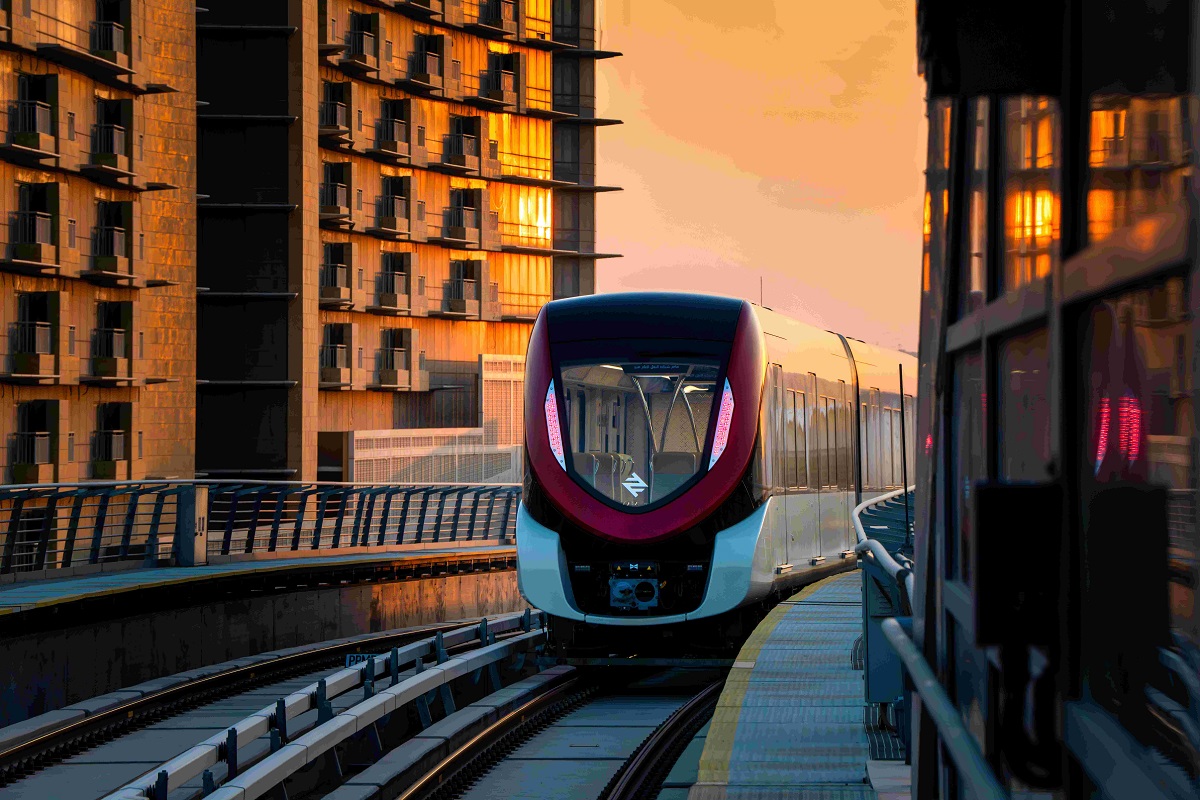
The expansion of the Riyadh Metro network has entered an important new phase with the official commencement of construction on an extension of the Red Line. Led by the Royal Commission for Riyadh City (RCRC), this major transit project will extend metro service westward from King Saud University toward Diriyah — one of Riyadh’s most significant cultural and tourism districts. Once completed, it will be one of the most transformative urban infrastructure programs in Saudi Arabia’s capital, significantly enhancing connectivity, supporting the Kingdom’s Vision 2030 goals, and promoting sustainable transport usage. The project builds on the successful launch of the existing metro network and represents a key strategic investment in urban mobility.
This Red Line extension will add critical capacity to Riyadh’s existing mass transit system, which already serves hundreds of thousands of passengers each week. The extension will integrate university zones, medical facilities, new urban districts, and tourism centres, bridging gaps between residential communities and economic activity hubs. The effort also reflects growing interest across the Gulf Cooperation Council (GCC) region to build modern rail networks capable of reducing congestion, lowering emissions, and anchoring future economic growth. With construction already underway, Riyadh is setting a new benchmark for large-scale rail delivery in the Middle East.
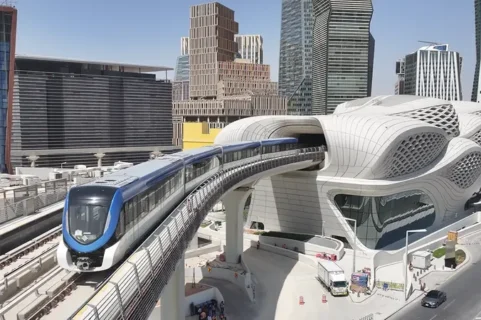
Project Overview
Project Name: Riyadh Metro Red Line Western Extension
Client/Owner: Royal Commission for Riyadh City (RCRC)
Location: Riyadh, Kingdom of Saudi Arabia
Purpose:
Expand metro connectivity westward toward Diriyah Gate Development
Improve public transport access for King Saud University and surrounding communities
Support broader urban mobility goals under Saudi Vision 2030
Total Length: Approximately 8.4 kilometres
7.1 km of underground tunnel
1.3 km of elevated track
Number of New Stations: Five (5)
Two (2) stations at King Saud University campus
Health Colleges / University Medical City station
City campus main concourse station
Three (3) stations toward Diriyah
One station designed as future interchange with Line 7
Technical Features:
Deep-tunnel construction (TBM and drill/blast methods where required)
Elevated viaduct sections for minimized surface disruption
Integration with existing Red Line signaling & power systems
Compliance with international metro safety and accessibility standards
Construction Timeline:
Groundbreaking: Early 2025
Estimated completion: ~6 years (public operations expected early 2030s)
Expected Capacity & Impact:
Supports increased daily ridership in western Riyadh districts
Positioning Red Line length at ~33.7 km after full completion
Connects major academic, healthcare, residential and heritage zones
Environmental & Social Goals:
Encourage modal shift from private cars to public transit
Reduce peak traffic congestion
Establish a low-carbon urban mobility option
Enhance urban accessibility for students, workers and residents
Strategic Alignment: Part of the Riyadh Public Transport Project and wider GCC-level transit development initiatives
Project Team
Owner / Project Sponsor: Royal Commission for Riyadh City (RCRC)
Government body responsible for planning and delivering Riyadh’s urban transformation projects
Oversees multi-modal transport integration and long-term sustainability initiatives
Main Contractor / Construction Consortium: Led by Webuild Group
Webuild (Italy) — Lead contractor, global heavy civil engineering and transport infrastructure specialist
Responsible for tunnel boring, elevated structures, civil works coordination
Experience in large urban rail and underground metro systems worldwide
Larsen & Toubro (L&T) (India) — Major civil and electromechanical partner
Provides station construction, trackwork, and structural systems expertise
Nesma & Partners (Saudi Arabia) — Local partner
Contributes regional knowledge, site management and compliance
Alstom (France) — Rail systems technology partner
Provides signaling, communications, and train control systems
Supports integration with existing metro operations
Project Management & Engineering Supervision: Riyadh Metro Transit Consultants (RMTC)
Consortium of global engineering firms including:
Parsons (USA) — Lead design and project controls
Egis (France) — Civil & system engineering supervision
Systra (France) — Rail systems and operational planning
Regional Transport Trends and Broader Impact
The Red Line extension is part of a broader push across the Gulf to embrace rail as a cornerstone of urban transport. Doha’s metro, Dubai’s light rail and tram networks, and new high-speed rail proposals (e.g., Riyadh–Jeddah and Riyadh–Doha links) all point to a future where sustainable mass transit is central to regional mobility frameworks. These systems are designed not just to move people efficiently, but to shape land use, link economic nodes, and promote tourism. That ambition is anchored by the Riyadh Metro — a $25 billion, 176-kilometre, six-line network inaugurated by King Salman in November 2024 and now fully operational, recognised by Guinness World Records as the world’s longest fully automated driverless metro and widely regarded as the largest metro project ever completed in a single construction phase.
. This regional integration is taking a major step forward now that the Riyadh to Doha in 3 hours high-speed rail has received the green light from the Saudi Cabinet, a project that promises to drastically reduce travel times and strengthen the bond between the two capitals.
Economically, the Red Line extension is expected to generate jobs during construction and operation phases, catalyse commercial development around new stations, and elevate property values in connected districts. Socially, students and healthcare workers will benefit from faster, safer travel, while reduced congestion could improve quality of life for millions. Environmentally, increased public transport usage contributes to lower emissions — a priority for cities confronting rapid urbanisation and climate goals.
Leave a Reply