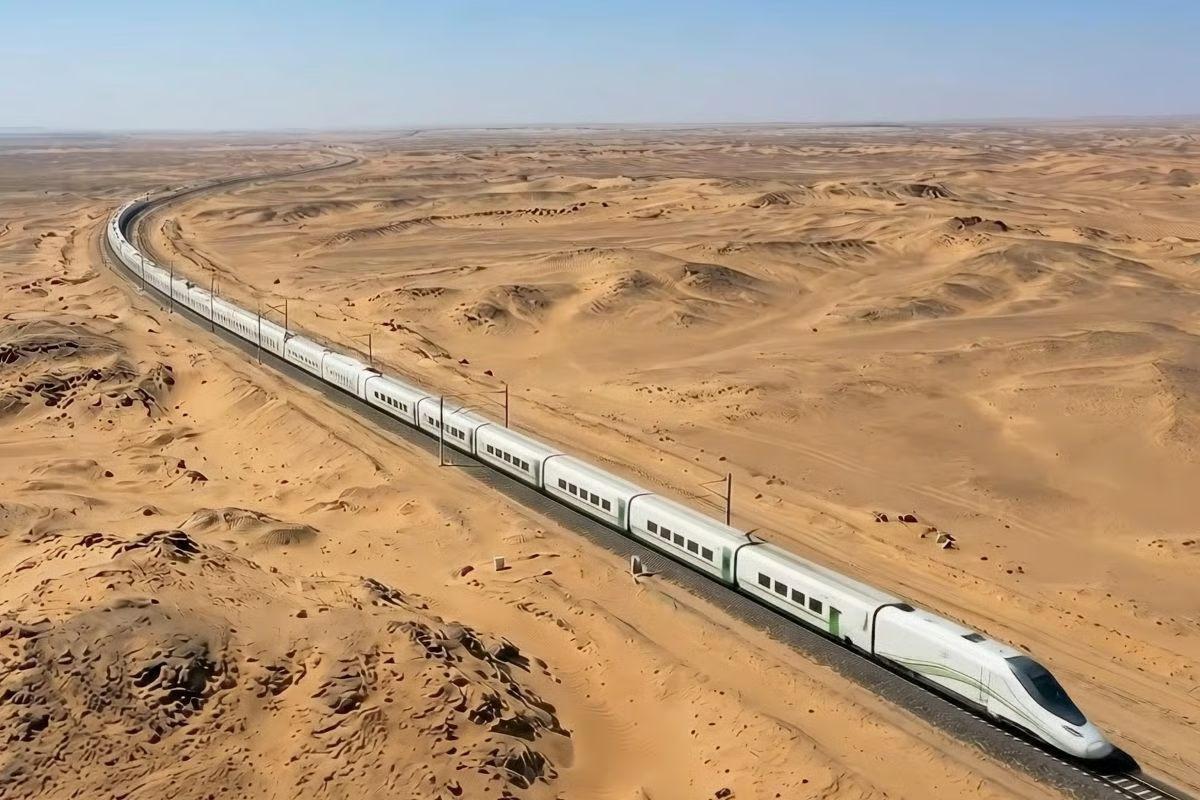
The Saudi Council of Ministers officially approved the construction of a high-speed electric railway connecting Riyadh to Doha, a landmark decision that moves the long-discussed Gulf Cooperation Council (GCC) rail network from concept to concrete reality. By formally authorizing the agreement between the Kingdom and Qatar, the Saudi government has cleared the path for the technical execution of a project designed to slash travel times between the two capitals. This approval is not merely a diplomatic gesture but a significant logistical pivot; it shifts regional transport strategy away from reliance on the 600-kilometer desert highway and short-haul flights, towards a high-capacity, sustainable electric traction system.
The project aligns directly with Saudi Vision 2030 and Qatar National Vision 2030, aiming to foster deeper economic integration and tourism exchange following the diplomatic renormalization and the success of the 2022 World Cup. Saudi Arabia is also advancing on the Saudi Landbridge project. SAR has tendered the design and build contract for the $7 billion Riyadh section of the project. Dubbed the Riyadh rail link, it will run from north to south Riyadh. The tender was issued on 29 January with a bid submission deadline of 29 March. The scope of work includes constructing a 35-kilometer-long double-track railway line connecting SAR’s North-South Railway.
Other Projects
Another major project making headway is the Oxagon freight rail network where the proposed Oxagon freight rail network is advancing rapidly as NEOM recently tendered a crucial design contract. Specifically, the massive Saudi Arabian development seeks concept designs and feasibility studies. This roughly 400-kilometre rail line will directly connect the Port of NEOM to existing national infrastructure. Consequently, consultants must submit their comprehensive proposals by October 29. Previously, multiple firms expressed strong interest in this lucrative design contract mid-September. The strategic route will link the port to the North-South Railway at Al-Baseeta junction. Ultimately, this massive infrastructure project creates a vital new logistics artery across the kingdom.
Engineering Challenges in the Empty Quarter
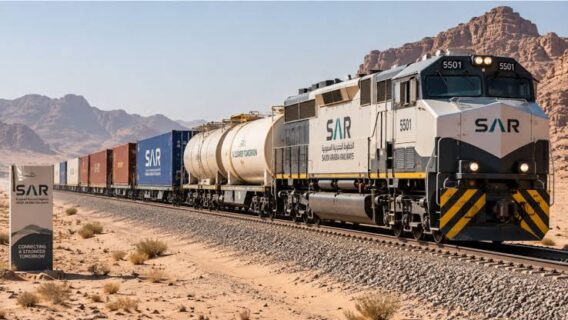
The “Jobsite Impact” of this directive is massive. The proposed route, spanning approximately 550 kilometers, will require traversing some of the harshest desert terrain on the planet. Engineering teams will face the critical challenge of sand mitigation—preventing the shifting dunes of the Eastern Province from burying the tracks. This will likely involve the construction of extensive viaducts (elevated tracks) and aerodynamic sand barriers, technologies successfully stress-tested on the Haramain High Speed Railway. Unlike diesel-powered freight lines, this electric corridor necessitates the installation of a continuous Overhead Catenary System (OCS) and a series of high-voltage traction substations (TPS) spaced at regular intervals through remote areas. This infrastructure requirement creates immediate opportunities for specialized electrical contractors and heavy civil firms capable of operating in extreme heat conditions.
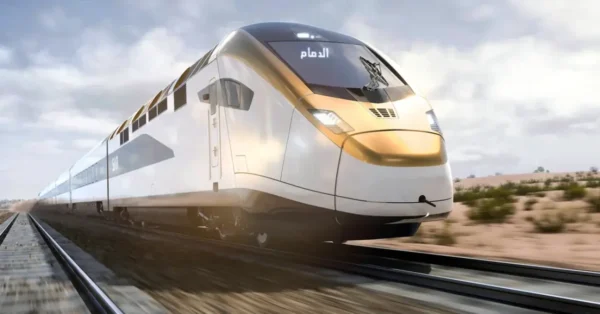
Saudi-Qatar High-Speed Railway: Factsheet
Project Name: Saudi-Qatar Railway Link
Route: Riyadh (KSA) – Hofuf – Salwa (Border) – Doha (Qatar)
Estimated Length: ~550 km (340 miles)
Project Clients (Developers):
Saudi Arabia: Saudi Arabia Railways (SAR)
Qatar: Qatar Railways Company (Qatar Rail)
Construction Team:
Main EPC Contractors: [Tendering Phase – To Be Announced]
Technical Consultants: [Likely involvement of firms like Systra or Parsons, pending confirmation]
Technical Specifications:
Traction: Fully Electric (Overhead Catenary).
Speed: High-Speed Passenger (>200 km/h) / Heavy Freight.
Track Gauge: Standard Gauge (1,435 mm).
Key Engineering Features:
Sand mitigation infrastructure (barriers/viaducts).
Cross-border customs integration.
Status: Cabinet Approval Granted (Feb 2026); Moving to Detailed Design/Tender.
Strategic Goal: Regional integration within the wider GCC Railway network.
Connectivity and Economic Flow
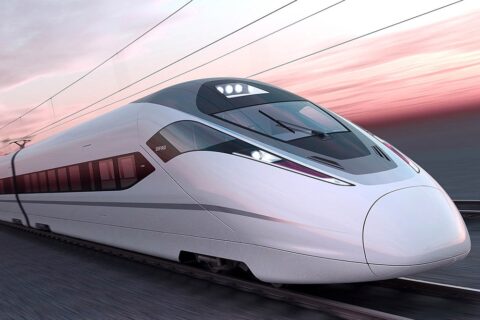
For the construction sector, the immediate next steps involve the finalization of the detailed design and the issuance of tenders for the main Engineering, Procurement, and Construction (EPC) packages—a procurement phase that has already advanced significantly in the UAE, where Etihad Rail awards $8bn design and build contracts for the Abu Dhabi-Dubai high-speed rail project. This massive infrastructure undertaking has been split between two consortiums: an Abu Dhabi group led by National Projects Construction (NPC) with partners including Trojan Tunnelling and CSCEC, and a Dubai group led by Larsen & Toubro alongside China Harbour Engineering and Wade Adams. Once completed, the 150-kilometer line will allow trains to operate at speeds of up to 320 km/h, slashing the travel time between the two emirates to just 30 minutes.



Leave a Reply