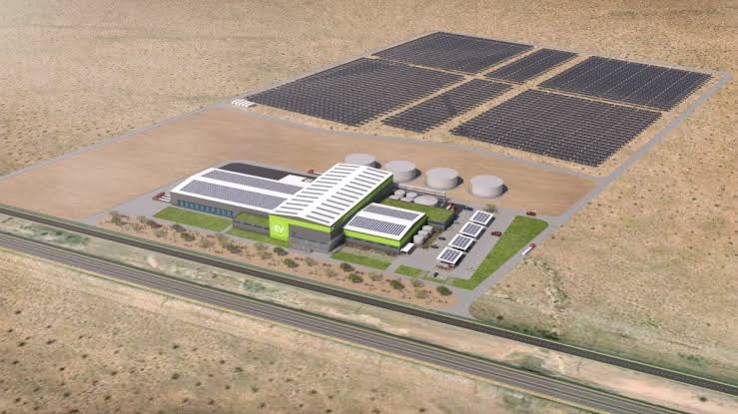
Construction has begun on the 28-megawatt solar facility that will power America’s first commercial-scale cobalt processing facility, advancing EVelution Energy‘s $450 million Arizona project intended to help build secure U.S. critical minerals supply chains. The company announced the milestone July 1, 2026, after crews installed the first permanent steel mounting piles across the project’s 150-acre solar site in Yuma County, Arizona.
America’s first commercial-scale cobalt processing facility
The solar array will supply power to EVelution Energy’s planned cobalt processing plant, which the company says will be the first in the U.S. to produce commercial-scale cobalt metal and cobalt sulfate. Once operational, the facility will process approximately 24,000 metric tons of cobalt hydroxide feedstock annually, producing up to 20,000 metric tons per year of EV battery-grade cobalt sulfate — containing roughly 4,000 metric tons of cobalt — along with up to 3,000 metric tons per year of alloy-grade cobalt metal. EVelution Energy said that output will supply approximately 40% of projected U.S. cobalt demand, serving the aerospace, defense, electric vehicle battery and advanced manufacturing sectors.
Powering the Cobalt Facility
Crews installed the steel piles in their final designed locations under a binding construction contract, using engineering drawings that Aquila Energy, the project’s solar engineering, procurement and construction contractor, prepared. M3 Engineering & Technology Corporation provided additional engineering and project integration support. Once complete, the solar facility will generate enough electricity to power the cobalt processing plant entirely with renewable energy. While storing excess power in on-site battery systems or supplying it to the local electric grid.
“The piles going into the ground mark the beginning of the renewable energy system that will power the first cobalt metal and cobalt sulfate processing facility in the United States,” said Navaid Alam, President and CEO of EVelution Energy. Alam said the company is building the project around domestic steel, engineering and manufacturing.
EVelution Energy has committed to using 100% American-made steel across the solar, battery storage and cobalt processing structures, and said it is prioritizing domestically manufactured equipment and U.S. engineering services throughout construction. Construction of the full solar array is expected to continue through 2026 and into 2027, with pile installation, racking, electrical and civil work proceeding in sequence ahead of the cobalt plant’s commissioning. EVelution Energy expects the cobalt facility to reach commercial operation by the end of 2029.
Economic impact
The company said the project is expected to generate approximately $1.2 billion in annual economic activity across Arizona. The project also will create more than 6,200 direct, indirect and induced jobs over its lifetime. The site is located in a rural Qualified Opportunity Zone near Tacna, Arizona, and its census tract is currently under consideration by Governor Katie Hobbs for re-designation under the next generation of the federal Opportunity Zone program.
The Yuma County solar buildout adds to a wave of utility-scale solar construction activity currently underway across the U.S. In Kentucky, ACCIONA Energía recently began site mobilization on its 235 MWp Fleming Solar Farm, another large photovoltaic project moving through early construction stages toward a 2028 completion. While the two projects serve different end uses — EVelution’s solar array will power an industrial processing facility, while ACCIONA’s will feed the regional grid — both reflect continued momentum in large-scale solar development nationwide.
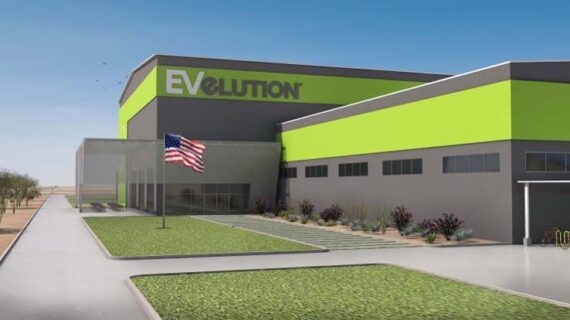
Factsheet: EVelution Energy Cobalt Processing Facility in Arizona
Project Overview
- First commercial-scale cobalt metal and cobalt sulfate processing facility planned in the United States
- Located in Yuma County, Arizona, near Tacna, in a rural Qualified Opportunity Zone
- Total project cost: $450 million
- Cobalt facility expected to reach commercial operation by end of 2029
Production Capacity
- Approximately 24,000 metric tons of cobalt hydroxide feedstock processed annually
- Up to 20,000 metric tons per year of EV battery-grade cobalt sulfate, containing approximately 4,000 metric tons of cobalt
- Up to 3,000 metric tons per year of alloy-grade cobalt metal
- Expected to supply approximately 40% of projected U.S. cobalt demand
Solar Facility
- 28-megawatt solar array under construction on a 150-acre site
- Designed to power the cobalt processing facility entirely with solar energy
- Excess electricity to be stored in on-site battery systems or supplied to the local grid
- Construction expected to continue through 2026 and into 2027
- Solar EPC contractor: Aquila Energy
- Additional engineering and integration support: M3 Engineering & Technology Corporation
Domestic Manufacturing Commitment
- 100% American-made steel committed across solar, battery storage and cobalt processing structures
- Project designed to prioritize domestically manufactured equipment and U.S. engineering services
Economic Impact
- Approximately $1.2 billion in projected annual economic activity across Arizona
- More than 6,200 direct, indirect and induced jobs projected over the life of the project
- Site’s census tract under consideration for re-designation by Governor Katie Hobbs under the next federal Opportunity Zone program


Leave a Reply