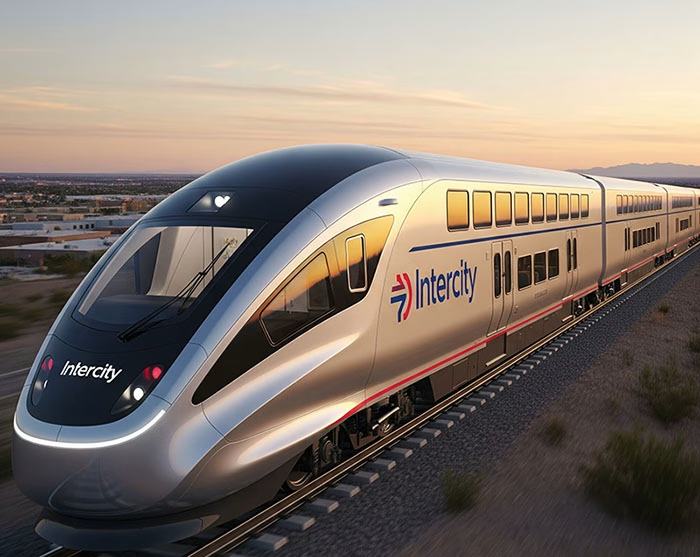
The Phoenix–Tucson intercity passenger rail project has achieved significant federal momentum under the Federal Railroad Administration’s (FRA) Corridor Identification and Development Program, positioning the 158-mile route to reconnect Arizona’s two largest metropolitan areas for the first time since 1997. In mid-2025, the FRA approved the Arizona Department of Transportation’s (ADOT) scoping documents and $10.6 million budget, authorizing the project to move into its crucial second phase: developing a comprehensive Service Development Plan (SDP).
Expected to span two to three years, this planning phase will establish station locations, proposed for hubs like Buckeye, Downtown Phoenix, Phoenix Sky Harbor Airport, Tempe, and Tucson, alongside engineering requirements, ridership forecasts, and service frequencies, which aim for three daily Amtrak round trips running primarily over existing Union Pacific tracks. Despite surviving a state legislative attempt to block public funding in early 2024, the multi-billion-dollar corridor faces ongoing hurdles regarding final construction funding and negotiations over freight track sharing. Nevertheless, with strong backing from local leadership and federal grants driving the SDP phase, passenger train service between Phoenix and Tucson remains on track for a targeted launch as early as 2030.
Similar Projects
Another similar projects that is gaining momentum in the US is the East San Fernando Valley Light Rail. The East San Fernando Valley Light Rail Transit Project and the Phoenix–Tucson Intercity Passenger Rail Project both address critical transportation deficits by introducing modern rail solutions to major, automotive-reliant Sunbelt corridors. Both infrastructure initiatives are heavily reliant on multi-tiered federal support, leveraging grants from the Federal Transit Administration and Federal Railroad Administration, to construct complex rail lines meant to relieve severe highway congestion along Van Nuys Boulevard and Interstate 10, respectively. Furthermore, both systems are designed around the primary operational objective of multimodal connectivity: the East San Fernando Valley LRT acts as a high-frequency feeder directly linking local communities to Metrolink commuter rail and regional Amtrak hubs, while the Phoenix–Tucson line integrates local municipal stops like Sky Harbor Airport and Tempe into a larger regional and national rail network. Finally, both projects share parallel multi-billion-dollar investment scales and long-term execution timelines, with both corridors actively progressing toward operational launch windows targeted for the early 2030s.
June 26, 2025
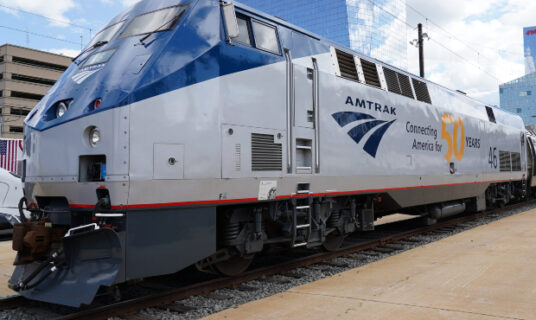
The Arizona Department of Transportation (ADOT) has announced the completion of the first stage of planning for the Phoenix Tucson intercity passenger rail project. This milestone follows the Federal Railroad Administration’s (FRA) approval of the initial step in the Corridor Identification and Development Program (CIDP), which marks the official beginning of efforts to establish a passenger rail service between Arizona’s two largest metro areas.
Project Overview and Scope
The proposed 158–160 mile Phoenix Tucson Passenger Rail Project would stretch from Buckeye, west of Phoenix, to Tucson, offering an alternative to vehicular travel on the congested I-10 corridor. The recently approved first step involved outlining the project’s scope, timeline, and a $10.6 million budget. This phase also sets the groundwork for the creation of a Service Development Plan that will include technical evaluations and stakeholder engagement.
What Comes Next: Step Two Planning
Pending approval of a federal grant, ADOT will enter Step 2 of the program, which is expected to span the next two to three years. This phase will include:
- Determining station locations
- Analyzing ridership and travel patterns
- Studying environmental and transportation impacts
- Estimating capital and maintenance costs
- Engaging with stakeholders and the public
- Identifying funding and service management strategies
This detailed planning process aims to ensure the Phoenix Tucson Passenger Rail Project meets Arizona’s future mobility and sustainability goals.
[internal_link url=”https://constructionreviewonline.com/biggest-projects/brightline-miami-project-timeline-and-what-you-need-to-know/”]
Coordination with Amtrak and Other Studies
ADOT’s planning effort aligns with Amtrak’s concurrent study of the proposed Daily Sunset Limited service between Los Angeles and New Orleans, which includes a reestablished route through Phoenix. Although the two services will share the Union Pacific Railroad tracks, they are designed to be complementary, and ADOT will coordinate closely with Amtrak officials.
Future Steps and Funding Considerations
Step 3, the final phase, will require FRA approval and will consist of detailed engineering work and environmental analysis. This stage would take an additional two to three years and require a 20% state match for federal funding. Governor Katie Hobbs has already committed $3.5 million to support the planning process.
Long-Term Vision
While construction is not yet funded, the Phoenix Tucson Intercity Passenger Rail Corridor Study is a vital step toward building an efficient, sustainable transportation option between Arizona’s two largest cities. It promises to relieve highway congestion, reduce carbon emissions, and provide reliable travel times for residents and visitors alike.
Project Factsheet
Project Name: Phoenix–Tucson Intercity Passenger Rail Corridor
Lead Agencies: Arizona Department of Transportation (ADOT), Federal Railroad Administration (FRA)
Proposed Operator: Amtrak
Route Distance: 158 miles (Buckeye to Tucson)
Travel Time: Estimated 2 hours, 25 minutes
Service Frequency: 3 daily round trips
Track Alignment: Primarily using existing Union Pacific Railroad right-of-way (Phoenix & Gila Subdivisions)
Target Launch: Early 2030s (Targeting 2030–2032 operational phase)
Key Station Stops
- Western Terminus: Buckeye, Goodyear-Avondale
- Phoenix Metro: Downtown Phoenix, Phoenix Sky Harbor International Airport, Tempe
- East Valley and Central Corridor: Queen Creek, Coolidge, Marana
- Southern Terminus: Downtown Tucson
Project Objectives and Benefits
- Relieving I-10 Congestion: Provides a reliable alternative to Interstate 10, where travel delays are projected to surge over 50% by 2050.
- Reconnecting Capital Rail: Restores passenger train service to Phoenix, which has been the largest U.S. metropolitan area without passenger rail access since 1996.
- Economic Development: Strengthens connectivity throughout the growing Arizona Sun Corridor mega-region.
Current Phase and Planning Status
- Federal Program: Corridor Identification and Development Program (CIDP).
- Active Phase: Service Development Plan (SDP) study (evaluating engineering, exact station sites, operating costs, and ridership).
- Allocated Funding: $10.6M total planning framework ($500K FRA CIDP grant, $3.5M ADOT state planning funds, and $6.6M federal match funds).
Project Team
Arizona Department of Transportation (ADOT): The primary state agency serving as the project sponsor and leading the Service Development Plan (SDP) and environmental review process.
Federal Railroad Administration (FRA): The federal oversight agency managing the Corridor Identification and Development (CID) Program and providing primary grant funding.
Amtrak (National Railroad Passenger Corporation): The proposed passenger rail operator responsible for running service, providing equipment, and contributing route planning support.
Union Pacific Railroad (UP): The private Class I freight railroad owning the track infrastructure (Phoenix and Gila Subdivisions) over which the passenger trains are proposed to run.
Regional Planning Organizations and Municipal Partners: Local government agencies coordinating station siting, land use, and local match support, including:
- Maricopa Association of Governments (MAG)
- Pima Association of Governments (PAG)
- Municipalities along the corridor (City of Phoenix, City of Tucson, City of Tempe, Town of Buckeye, Town of Queen Creek, City of Coolidge, Town of Marana, and Goodyear/Avondale)

Leave a Reply