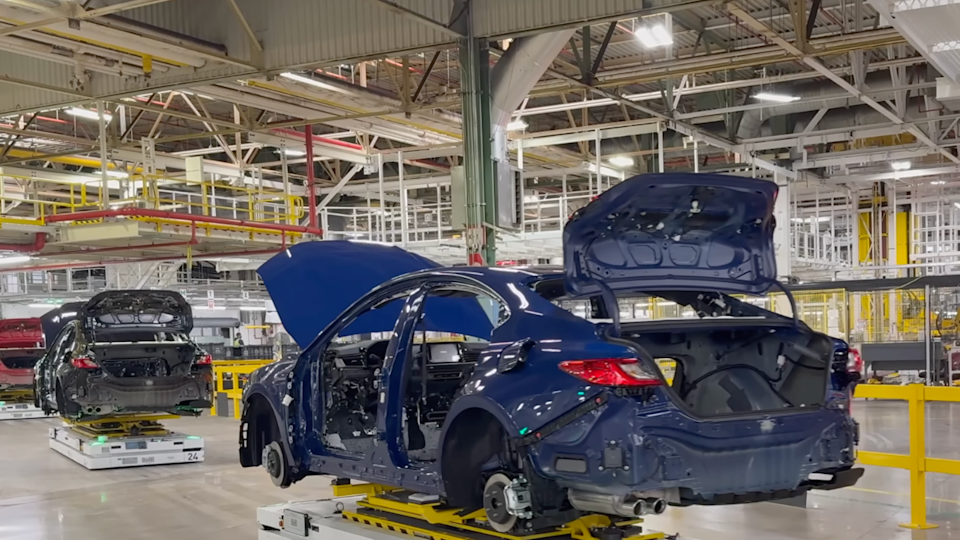
Toyota’s planned $2 billion expansion of its manufacturing footprint in Texas reflects more than a capacity increase. It underscores a broader shift in how the automaker is structuring its North American truck production network amid evolving supply chain dynamics, sustained demand for pickup trucks, and intensifying competition among U.S. states for large-scale industrial investment.
The proposed expansion, tied to Toyota Motor Manufacturing Texas in San Antonio, represents one of the company’s most significant U.S. manufacturing commitments in recent years and reinforces Texas’ growing role as a central hub in North American automotive production.
A $2 Billion Expansion Within an Established Manufacturing Hub
The project, internally referred to as “Project Orca,” outlines a planned investment of approximately $2 billion to expand Toyota’s existing San Antonio manufacturing complex.
According to filings submitted to Texas economic development authorities, the project includes the addition of a new assembly line within the current Toyota Motor Manufacturing Texas campus, which already produces the Toyota Tundra pickup and the Sequoia SUV.
Rather than building a new facility, Toyota is expanding within its existing footprint, a strategy that leverages established logistics infrastructure, supplier access, and workforce capabilities while minimizing execution risk.
The filing indicates the project remains in an early development phase, with construction expected to begin following regulatory approvals and finalized incentive agreements.
Why San Antonio Remains Central to Toyota’s U.S. Truck Strategy
Toyota’s continued expansion in San Antonio reflects a long-term industrial positioning strategy rather than a one-off investment decision.
The existing manufacturing campus offers structural advantages that are difficult to replicate elsewhere, including:
- Established full-size truck and SUV production infrastructure
- Direct access to Interstate 35, a major North American logistics corridor
- Proximity to a rapidly expanding automotive supplier base across Texas and northern Mexico
- Available land for phased industrial expansion
- An experienced manufacturing workforce built over nearly two decades
Together, these factors make San Antonio a scalable anchor point for Toyota’s North American truck production strategy.
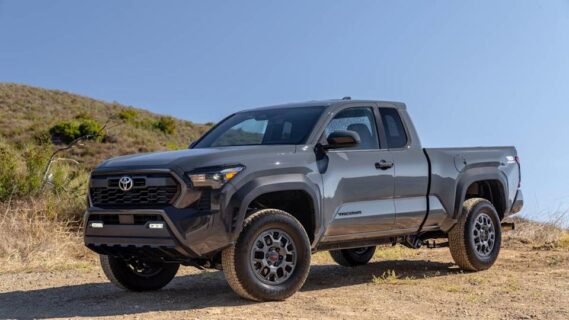
The Strategic Shift Behind the Expansion
While the filing itself is procedural, the underlying industrial logic reflects broader changes in the U.S. automotive landscape.
Toyota’s expansion aligns with several structural trends shaping North American manufacturing:
Localization of truck production
High-margin pickup trucks and SUVs continue to be increasingly produced closer to end markets in the United States, reducing exposure to cross-border supply chain volatility.
Supply chain regionalization
Automotive production networks are shifting toward tighter regional clusters across the southern United States and northern Mexico, improving resilience and logistics efficiency.
Incentive-driven industrial competition
U.S. states continue to compete aggressively for automotive investment through tax incentives, infrastructure support, and workforce development programs.
Within this environment, Texas has emerged as one of the most competitive destinations for large-scale vehicle manufacturing investment.
Jobs, Economic Impact, and Incentive Structure
The expansion is expected to have significant implications for employment and regional economic output across the San Antonio metropolitan area.
Employment Impact
Early filings associated with the project indicate the expansion is expected to create approximately 2,000 direct manufacturing jobs once fully operational.
In addition to direct employment, the project is expected to generate a broader indirect employment impact across suppliers, logistics providers, and service industries tied to automotive production. Over time, this could translate into several thousand additional jobs supported through the regional supply chain.
Economic Impact
The Toyota Texas assembly expansion is positioned as a long-term economic driver for the region, contributing to sustained industrial output, wage growth, and tax revenue generation.
Preliminary estimates linked to the filing suggest the expansion could generate billions of dollars in cumulative regional economic activity over its lifecycle, driven by sustained production, supplier investment, and infrastructure-related spending.
For Texas, the project reinforces a long-standing economic development model in which large-scale manufacturing investments function as multi-decade industrial anchors rather than short-term construction projects.
Incentives and Government Filings
The Toyota Texas assembly expansion is tied to a structured incentive framework involving both state and local authorities.
Toyota has submitted applications under Texas economic development programs designed to support capital-intensive industrial investment tied to job creation and production commitments.
At the local level, discussions in Bexar County include potential multi-year tax abatements, along with additional support mechanisms such as infrastructure improvements and workforce development incentives.
This structure reflects a broader national trend in which U.S. states compete for automotive manufacturing projects through performance-based incentive packages linked to long-term economic outcomes.
Toyota $2B Texas Assembly Expansion: Project Scale and Industrial Footprint
The expansion will significantly increase Toyota’s production capacity within its San Antonio campus, which remains one of the company’s most important truck manufacturing sites in North America.
By expanding within an existing operational facility, Toyota can scale production more efficiently while maintaining continuity in ongoing manufacturing operations.
The approach also allows for phased development, enabling the company to adjust production capacity based on market demand, platform allocation, and supply chain conditions.
Texas has already established itself as a major hub for advanced manufacturing and large-scale industrial investment. The state is home to several major industry players, including Tesla, whose Gigafactory in Austin has become a key anchor in the state’s growing automotive and technology ecosystem. This expanding industrial base continues to attract global manufacturers seeking scalable infrastructure, logistics access, and a supportive investment environment.
What Remains Unclear
Despite the scale of the proposed investment, several key details remain unconfirmed.
Toyota has not disclosed which specific vehicle program it will assign to the new assembly line. Industry speculation points to potential adjustments in its truck production lineup, but the company has not announced any official model allocation.
Additionally, final construction timelines, supplier commitments, and permitting milestones remain subject to regulatory and internal corporate approvals.
These uncertainties are typical in early-stage industrial filings, where companies secure site readiness and incentives before finalizing production configurations.
A Broader Signal for U.S. Automotive Manufacturing
Beyond Toyota’s individual investment decision, the expansion highlights a broader structural shift in U.S. automotive manufacturing.
The center of gravity for truck and light vehicle production continues to move toward the southern United States, where automakers benefit from:
- Competitive operating costs
- Expanding supplier ecosystems
- Aggressive state-level incentive competition
- Strong logistics connectivity
Within this evolving landscape, Texas continues to strengthen its position as a central hub for large-scale automotive manufacturing investment.
Toyota’s $2 billion Texas assembly expansion represents more than a capacity increase. It reflects a deeper restructuring of how the automaker is organizing its North American truck production network in response to shifting supply chain dynamics, policy incentives, and sustained demand for pickup trucks.
The broader significance lies in what the project signals: continued consolidation of high-volume vehicle production in strategically positioned U.S. manufacturing hubs, with Texas increasingly playing a central role.
As the project advances through approvals and development stages, its long-term impact will depend not only on what Toyota builds, but on how it reshapes the competitive geography of U.S. automotive production.
Toyota $2 Billion Texas Assembly Expansion: Fcatsheet
- Project name: Project Orca (unconfirmed internal designation)
- Company: Toyota Motor Manufacturing Texas
- Location: San Antonio, Texas, United States
- Investment value: Approximately $2 billion
- Project type: Automotive assembly line expansion (truck/SUV manufacturing capacity)
- Facility status: Expansion within existing Toyota San Antonio manufacturing campus
- Current production at site: Toyota Tundra pickup and Toyota Sequoia SUV
- Jobs expected: ~2,000 direct manufacturing jobs (plus indirect supplier employment)
- Incentives: State and local incentive applications under Texas economic development programs, including potential tax abatements and grants
- Project stage: Early development / filing stage pending approvals
- Construction timeline: Expected to begin following approvals, subject to permitting and final investment decisions
- Strategic focus: Expansion of U.S.-based truck production capacity and North American manufacturing footprint



Leave a Reply