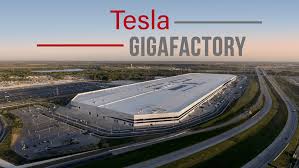
Gigafactory Texas has developed into one of the most important electric vehicle manufacturing hubs in North America, operating as both a high-volume production site and a continuously expanding industrial campus. Built and operated by Tesla, the facility combines active vehicle production with ongoing construction aimed at increasing capacity and supporting next-generation manufacturing systems.
Rather than functioning as a static factory, the site is evolving through continuous expansion phases that add new manufacturing buildings, production systems, and infrastructure while existing vehicle output remains active.
Gigafactory Texas Overview
Gigafactory Texas serves as a central manufacturing hub for Tesla’s vehicle production in the United States. The facility currently produces:
- Tesla Model Y
- Tesla Cybertruck
The site is also expected to support future vehicle platforms, including the Tesla Cybercab, as Tesla continues to scale automated and high-volume production capabilities.
Ongoing Construction and Expansion
Gigafactory Texas is currently undergoing large-scale expansion across multiple parts of the campus while production remains active. This makes the facility a live manufacturing and construction environment at the same time.
Key construction activity includes:
- Expansion of manufacturing halls and high-bay industrial structures
- New stamping and casting infrastructure for vehicle body production
- Additional Body-in-White (BiW) welding and assembly zones
- Paint and plastics facility upgrades
- Electrical, mechanical, and logistics infrastructure expansion
This ongoing build-out is designed to increase production capacity and support more advanced manufacturing systems within the same integrated campus.
The ongoing expansion at Gigafactory Texas is part of a broader wave of automotive manufacturing investment across the state, with other major automakers also scaling up production capacity in Texas. A notable parallel development is Toyota’s $2 billion Texas assembly expansion, which is aimed at increasing vehicle production and strengthening its North American manufacturing footprint, highlighting how Texas continues to emerge as a key hub for large-scale automotive and electric vehicle manufacturing investment.
Construction Timeline
- 2020: Initial construction begins
- 2022: Vehicle production starts
- 2024–present: Major expansion phase underway
The current phase focuses on increasing manufacturing space and upgrading production systems while maintaining continuous vehicle output.
Strategic Importance
Gigafactory Texas plays a central role in Tesla’s global manufacturing strategy by:
- Serving as one of its largest EV production hubs
- Supporting high-volume vehicle manufacturing in North America
- Enabling continuous factory expansion without halting production
- Advancing Tesla’s modular and automated manufacturing approach
The site reflects a broader shift toward continuously evolving automotive manufacturing campuses, where construction and production operate in parallel.
Outlook
Gigafactory Texas is expected to continue expanding as Tesla scales production capacity and introduces new vehicle platforms. Ongoing construction suggests further additions to manufacturing infrastructure, supporting both current vehicle programs and future automotive technologies.
As expansion continues, the facility remains one of the most significant examples of large-scale, continuously developing electric vehicle manufacturing in the United States.

Tesla Gigafactory Texas – Factsheet
Gigafactory Texas
- Developer: Tesla
- Location: Austin, Texas, USA
- Status: Operational + ongoing expansion
- Start: 2020
- Production: 2022
- Expansion: 2024–present
- Vehicles:
- Tesla Model Y
- Tesla Cybertruck
- Future: Tesla Cybercab
- Work: Body-in-White, stamping, casting, paint, drive units, assembly
- Expansion: New production halls, stamping upgrades, BiW expansion, utilities
- Investment: Multi-billion-dollar campus (phased)
Also Read: Construction of residential community ‘Alta Davis’ in North Carolina, US begins



Leave a Reply