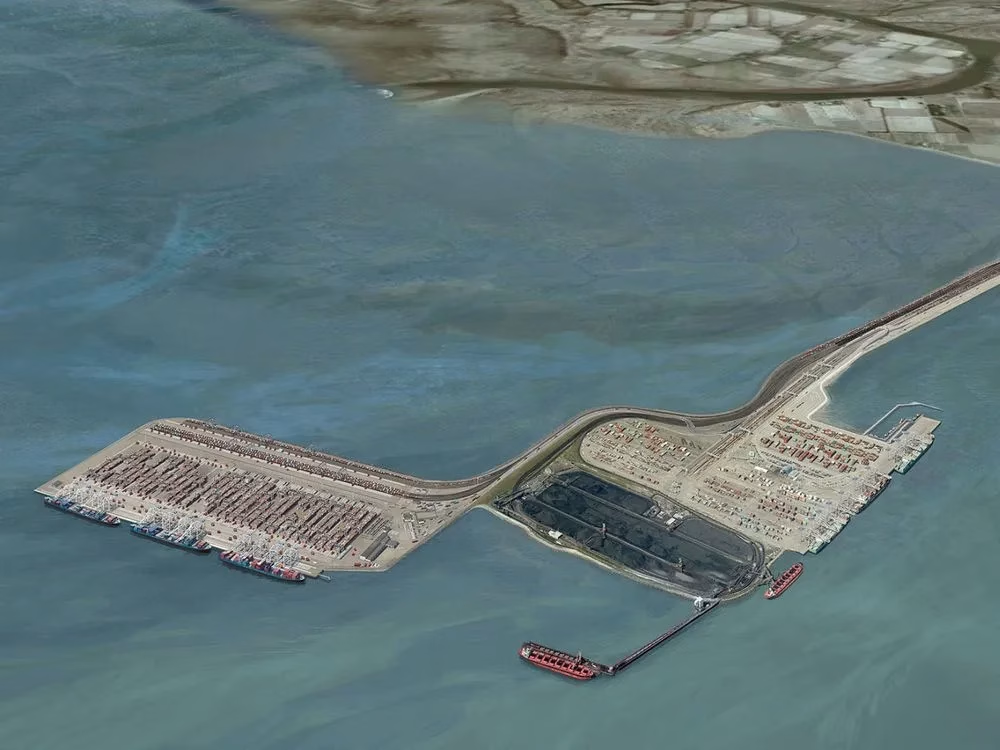
The Roberts Bank Terminal 2 Project is a major marine container terminal development led by the Vancouver Fraser Port Authority, located on Canada’s west coast. Valued as a transformative piece of infrastructure that will unlock over $100 billion in new trade capacity and contribute approximately $3 billion annually to the national GDP, the project recently advanced into its procurement phase. Delivered under a progressive design-build model, the massive undertaking includes the construction of a 100-hectare marine landmass, a 1,300-metre wharf, and a widened 35-hectare causeway. Designed with strict environmental and Indigenous commitments—including the South Arm Jetty Tidal Marsh Project and mutual benefit agreements with 27 First Nations—the terminal is scheduled to begin construction in 2028 and commence operations by the mid-2030s, ultimately increasing Canada’s west coast container capacity by more than 30%.
This drive for global trade resilience is being mirrored in Eastern Canada, where work on the major Contrecœur container terminal expansion project at the Port of Montreal has officially commenced. Located 40 km downstream on the St. Lawrence River, this strategic expansion began major works in April 2026 and is designed to increase the port’s container capacity by approximately 1.15 million TEUs annually—a 60% boost. Backed by a CA$1.16 billion loan from the Canada Infrastructure Bank and delivered by an Aecon-Pomerleau joint venture, the project features a 675-metre wharf and two new berths. Targeting full operations by 2030, the Contrecœur facility will serve as a critical gateway for North American inland markets, complementing the capacity gains on the West Coast to secure Canada’s long-term maritime competitiveness.
Project Overview
- Type: Marine container terminal and port expansion
- Location: Roberts Bank, Vancouver, British Columbia, Canada
- Economic Impact: Estimated to unlock $100 billion in trade capacity and contribute $3 billion annually to Canada’s GDP
- Strategic Impact: Increases container trade capacity on Canada’s west coast by over 30%
- Key Infrastructure: A 100-hectare marine landmass (adding 320 acres of usable industrial waterfront), a 1,300-metre wharf, a widened 35-hectare causeway, a berth pocket, and an expanded tug basin
- Environmental & Community Integration: Features a dedicated fish passage for juvenile salmon migration, the South Arm Jetty Tidal Marsh Project, and mutual benefits agreements with 27 First Nations
- Job Creation: Expected to generate over 18,000 construction jobs and 17,000 long-term operational roles
- Target Construction Start: 2028
- Target Commercial Operations: Mid-2030s
- Procurement: Utilizing a progressive design-build approach with a target price structure (three teams expected to be shortlisted by fall 2025)
Project Team
- Client/Owner: Vancouver Fraser Port Authority (CFO: Victor Pang)
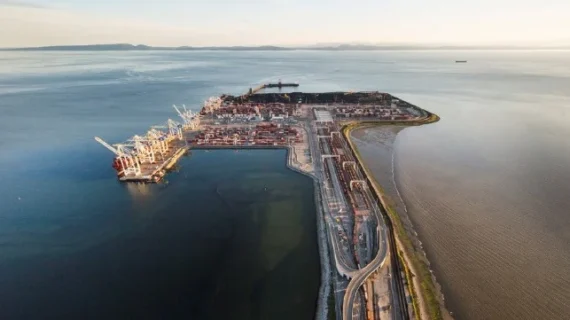
Reported 12th July 2025: The Vancouver Fraser Port Authority has officially launched the procurement phase for the Roberts Bank Terminal 2 Project, a development set to redefine Canada’s trade infrastructure. This transformative marine container terminal is projected to unlock over $100 billion in new trade capacity and contribute around $3 billion annually to the country’s GDP. Construction is scheduled to commence in 2028, with operations expected by the mid-2030s. Victor Pang, CFO of the port authority, emphasized that this marks a pivotal moment for Canada’s supply chain resilience. “We’re excited to issue the request for qualifications and advance this vital project,” Pang stated, highlighting its importance to national economic security.
Progressive Design-Build Approach
The port authority has selected a progressive design-build procurement model with a target price structure. This approach aims to foster collaboration and innovation throughout project delivery. Additionally, an independent fairness monitor will oversee all stages to ensure transparency and accountability. The ambitious contract scope includes construction of a 100-hectare marine landmass, a 1,300-metre wharf, a widened 35-hectare causeway, a berth pocket, and an expanded tug basin. Interested construction teams must submit interim qualification documents by September 18, 2025, and full submissions by September 25. By this fall, the port authority expects to shortlist three teams to move into the proposal phase.
Also Read What You Need To Know About the $1.47 Bn Marriott International Complex in Calgary, Canada
Environmental and Indigenous Commitments
Environmental protection is at the core of the project’s planning. The contract requires the creation of a dedicated fish passage to help juvenile salmon migration, along with major habitat enhancements such as the South Arm Jetty Tidal Marsh Project. These efforts are particularly significant to First Nations communities. So far, 27 First Nations have signed mutual benefits agreements, and the port authority will continue consultations to identify further economic development opportunities for Indigenous partners.
A Legacy Anchored in Commerce and Community
Beyond the sheer scale, the Roberts Bank Terminal 2 Project will create a lasting legacy across western Canada. Once operational, it is projected to generate over 18,000 construction jobs and 17,000 long-term positions. Container capacity on Canada’s west coast will rise by more than 30%, while the project will also add 320 acres of usable industrial waterfront land. For generations, the Roberts Bank area has been a gateway for commerce, connecting local livelihoods to global trade networks. As crews prepare to build, the terminal symbolizes not just economic ambition, but also a commitment to resilient infrastructure and shared prosperity that will shape Canada’s future.
Also Read Construction of Canada’s first indigenous-led ESS factory
Vancouver Roberts Bank Terminal Project Overview
Project Value: Estimated at over $100 billion in trade capacity, contributing $3 billion annually to Canada’s GDP
Construction Timeline: Begins in 2028, with operations set to launch by the mid-2030s
Procurement Model: Progressive design-build with a target price structure and independent fairness monitoring
Key Components: Includes a 100-hectare marine landmass, 1,300-metre wharf, 35-hectare widened causeway, berth pocket, and tug basin
Jobs Created: Projected to generate over 18,000 construction jobs and 17,000 permanent operational roles
Environmental Features: Will include salmon-friendly fish passage and habitat projects like the South Arm Jetty Tidal Marsh
Indigenous Partnerships: Supported by 27 First Nations with mutual benefits agreements and ongoing consultation
Team Selection: Three construction teams to be shortlisted by fall 2025 from those submitting qualifications in September
Strategic Impact: Will increase container trade capacity by over 30% on Canada’s west coast
Land Use Expansion: Adds 320 acres of industrial waterfront land for future logistics and trade use

Leave a Reply