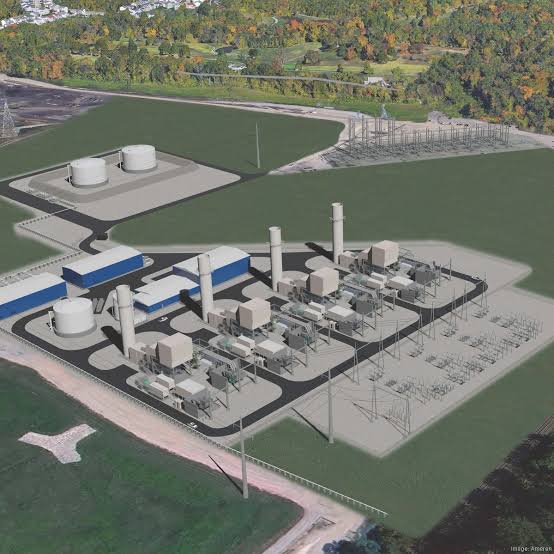
The West Alton Energy Center, a 2,100-megawatt combined-cycle natural gas plant proposed for a site adjacent to the existing Sioux Energy Center in West Alton, Missouri, entered regulatory review on July 27 with an application filed with the Missouri Public Service Commission. The project is being developed by Ameren Missouri, a subsidiary of Ameren Corporation.
The facility is designed for continuous baseload output, targeted for completion in 2031 pending approval, and expected to support more than 1,000 construction jobs over several years. By locating next to Sioux Energy Center, the project can draw on existing site infrastructure and interconnection equipment rather than requiring greenfield development — a siting choice that shortens the runway between approval and construction.
Built for a Grid Under New Pressure
West Alton is designed to run around the clock, distinguishing it from Castle Bluff Energy Center, an 800-megawatt quick-start gas facility now under construction that’s built to support the grid during high demand or when renewable output is unavailable. Together, the two plants add just under 3 gigawatts of gas-fired capacity to the same regional grid within roughly a two-year span — a scale of concentrated buildout that reflects how fast large-load demand, particularly from data centers, is reshaping capacity planning in the region.
That demand is substantial: 2.2 gigawatts of new large-load capacity were already under signed energy services agreements as of February 2026, out of 3.4 gigawatts in total construction agreements across the state, a pipeline that includes a $15 billion data center campus in New Florence, Montgomery County. By the end of 2029, new large-load end users in the region are expected to consume more than half as much electricity as the rest of the existing customer base combined — the kind of load growth that makes a baseload plant of West Alton’s size a planning necessity rather than a discretionary addition.
Cost Allocation Will Shape the Regulatory Path
How West Alton’s costs get allocated is likely to be the central question in front of regulators. Recent large-load agreements in the region have been structured so data center customers cover infrastructure costs tied to their own usage, reinforced by Missouri Senate Bill 4, described as one of the strictest state laws governing data center power costs. Even so, the expense of new generation isn’t fully isolated from the broader rate base, and consumer advocates have raised concern that residential customers could end up subsidizing infrastructure built primarily for corporate demand. Expect that tension to surface directly in MoPSC’s review of the West Alton filing.
Part of a Broader Generation Mix
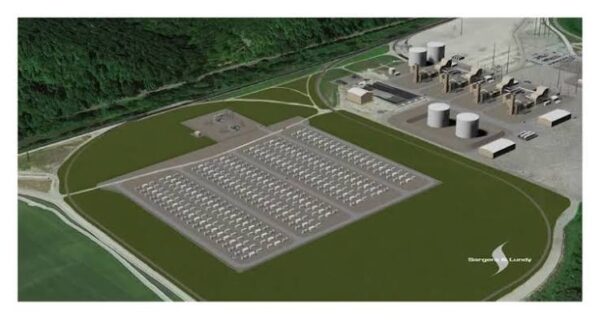
West Alton isn’t being filed in isolation. It follows Castle Bluff into the region’s generation queue and sits alongside 400 megawatts of solar and 545 megawatts of storage capacity proposed across Audrain, Lincoln and St. Louis counties — positioning the gas plant as the dispatchable anchor for a mix that leans increasingly on renewables and storage for daytime and shoulder-hour supply.
Two Midwest Utilities, Two Paths to the Same Grid Pressure
West Alton isn’t an isolated bet on gas. Across the Midwest, utilities inside the same regional grid are racing to add capacity through very different technologies, and Wisconsin offers the clearest contrast. Alliant Energy has filed for approval of the 277-MW Columbia Wind Farm in Columbia County, a project that would become Wisconsin’s largest wind facility by output despite using fewer turbines than existing sites in the state. The $730 million project has drawn support from clean energy advocates while raising concerns among rural landowners about land use and construction impacts. Like Ameren Missouri, Alliant operates within the Midcontinent Independent System Operator (MISO) footprint, meaning both projects are ultimately answering to the same regional reliability and capacity signals even though they sit in different states and before different regulators.
The two filings show how differently utilities in the same interconnection are hedging against rising demand. West Alton offers firm, around-the-clock output but carries higher construction and fuel-cost exposure over its operating life; Columbia Wind is cheaper to run once built but depends on wind availability, positioning it as a complement to baseload capacity like West Alton’s rather than a substitute for it. A decision on the Columbia Wind application is expected from Wisconsin’s Public Service Commission in early 2027, roughly two years ahead of West Alton’s targeted in-service date — a gap that reflects how much faster wind projects typically clear state review compared with large thermal builds, even as both respond to the same Midwest-wide surge in electricity demand.
West Alton Energy Center: Project Factsheet
- Project: West Alton Energy Center, combined-cycle natural gas plant
- Developer: Ameren Missouri, a subsidiary of Ameren Corporation
- Capacity: ~2,100 MW
- Location: West Alton, Missouri, adjacent to Sioux Energy Center
- Target completion: 2031, pending MoPSC approval
- Construction jobs: 1,000+ over several years
- Regional context: Follows the 800 MW Castle Bluff Energy Center; enters a grid with 2.2 GW of large-load capacity already under signed agreements; runs parallel to Alliant Energy’s 277 MW Columbia Wind Farm filing in the same MISO footprint




Leave a Reply