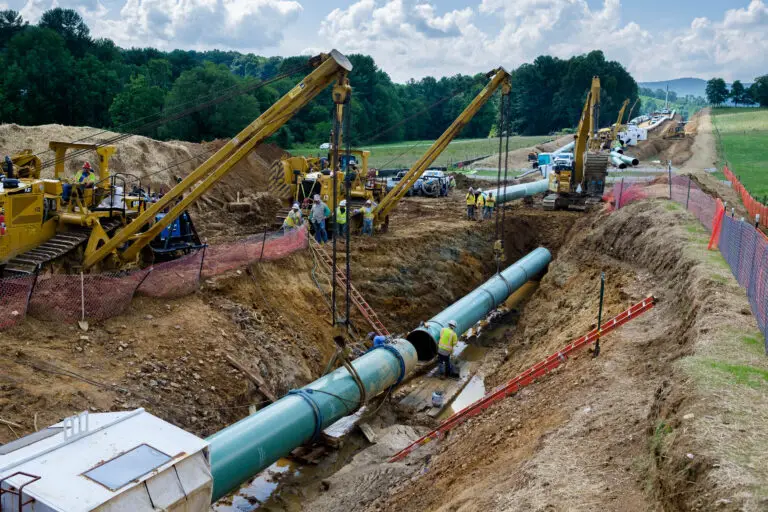
The Mountain Valley Pipeline (MVP) project has progressed into its advanced construction phase following the final state-level environmental approval issued by West Virginia authorities. The large-scale energy infrastructure project spans approximately 303 miles from northwestern West Virginia to southern Virginia, forming a key natural gas transmission corridor. However, despite early regulatory delays and legal challenges, the project has moved steadily toward completion under federal and state oversight. Consequently, construction activity has intensified across multiple sections of the route as remaining engineering works are finalized.
The MVP pipeline is designed to transport up to 2 billion cubic feet of natural gas per day from Appalachian production regions to markets in the Mid-Atlantic and Southeastern United States. Therefore, it plays a strategic role in expanding domestic energy supply infrastructure. Although the project faced years of permitting and environmental review processes, regulators ultimately issued final approvals, allowing construction to proceed under strict compliance conditions.
Current Status Update (2026)
As of 2026, the Mountain Valley Pipeline is largely completed and transitioning into operational readiness phases. Most major construction segments, including pipeline installation and compressor station development, have been finished, while final compliance and commissioning activities continue.
In addition, federal oversight through the Federal Energy Regulatory Commission remains active to ensure environmental and operational standards are met before full-scale commercial operation.
Meanwhile, related regulatory developments in Virginia, including water quality certifications for associated pipeline extensions, have reinforced the broader system’s operational readiness.
Therefore, the project has effectively shifted from a construction-heavy phase to final testing, regulatory closure, and integration into the regional gas transmission network.
The scale and delivery approach of the MVP pipeline aligns with other major U.S. infrastructure programs, including rail modernization efforts such as the Frederick Douglass Tunnel Project in Baltimore, which also emphasizes phased construction, federal-state coordination, and long-term capacity expansion while maintaining continuity of existing services.
The West Virginia Department of Environmental Protection has issued the final state-level permit needed for the Mountain Valley Pipeline to resume construction, according to Gov. Jim Justice.
The WVDEP issued the project’s Section 401 Water Quality Certification last Thursday and submitted it to the U.S. Army Corps of Engineers, Justice said during his administration briefing Wednesday.
The Mountain Valley Pipeline(MVP) project Will help to transport characteristic gas from the Mountain State to markets within the Mid-Atlantic and South Atlantic districts.
In West Virginia, the MVP’s course is arranged to incorporate Braxton, Doddridge, Fayette, Greenbrier, Harrison, Lewis, Monroe, Nicholas, Summers, Webster and Wetzel districts.
The project has repeatedly faced delays, setbacks and interruptions due to regulatory objections from environmental activists and other stakeholders opposing the pipeline.
Senators Joe Manchin (D-WV) and Sherry Moore Capito (R-WV) are nearly complete by including the pipeline in the Debt Ceiling Accord, also known as the Fiscal Responsibility Act of 2023. Said to be certain.
“Despite delay after delay, we have continued to fight to get this critical natural gas pipeline operational,” Capito said in a statement. It’s an important victory,” he said.
When the The Mountain Valley Pipeline(MVP) project was first announced in 2014, developers said they expected it to cost about $3.5 billion and be completed by the end of 2018.
Also read:Joint venture set for ADCC natural gas pipeline in the US
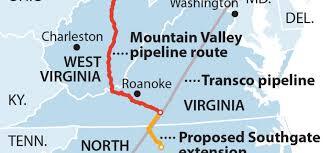
Project Fact Sheet
Project Name: Mountain Valley Pipeline (MVP) Project
Location: West Virginia to Virginia, USA
Project Type: Natural gas transmission pipeline
Total Length: ~303 miles (approx. 488 km)
Capacity: Up to 2 billion cubic feet per day
Estimated Value: Multi-billion-dollar energy infrastructure investment
Ownership: Mountain Valley Pipeline, LLC (multi-company joint venture)
Regulator: Federal Energy Regulatory Commission (FERC) + state agencies
Key Components:
- Mainline transmission pipeline
- Compressor stations across WV and VA
- Metering and interconnection facilities
- Access roads and supporting infrastructure
- Environmental mitigation and monitoring systems
Project Objective:
- Expand natural gas transport capacity
- Improve regional energy supply reliability
- Connect Appalachian production to East Coast markets
Construction Status (2026):
- Substantially complete
- Final commissioning and regulatory compliance phase
- Partial operational readiness underway
Project Team
Project Developer / Owner: Mountain Valley Pipeline, LLC (joint venture entity)
Key Partners:
- Equitrans Midstream Corporation
- NextEra Energy Resources
- Con Edison Transmission
- Other midstream infrastructure investors
Federal Oversight Agency: Federal Energy Regulatory Commission (FERC)
State-Level Regulators:
- West Virginia Department of Environmental Protection
- Virginia Department of Environmental Quality
Construction Contractors (project-wide roles):
- Engineering, procurement, and construction (EPC) consortiums
- Specialized pipeline installation contractors
- Compressor station and mechanical systems suppliers
Environmental & Compliance Bodies:
- S. Army Corps of Engineers
- S. Environmental Protection Agency (consultative role)
- State water and wildlife regulatory agencies
Project Management Structure:
- Integrated project delivery teams coordinating construction phases
- Regulatory compliance and environmental monitoring units
- Multi-state coordination committees for permitting alignment


Leave a Reply