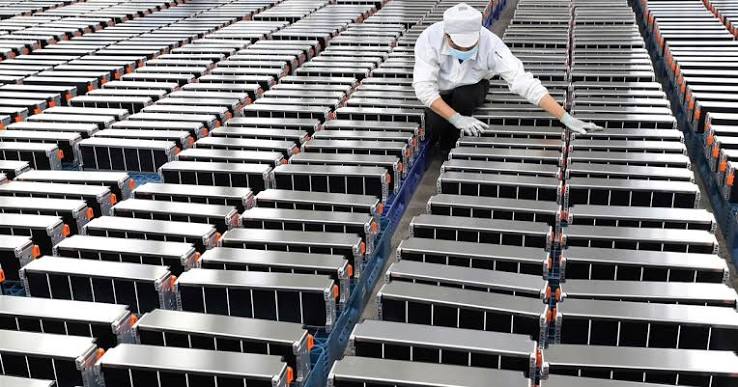
Morocco battery gigafactory project has reached a major financing milestone after the African Development Bank (AfDB) approved a €100 million ($114 million) loan to support construction of Africa’s first integrated lithium iron phosphate battery gigafactory. The funding strengthens Morocco’s position as an emerging electric vehicle manufacturing hub while accelerating one of the continent’s most significant industrial construction projects. In addition, AfDB plans to mobilize further financing, reinforcing confidence in the development and its long-term economic impact.
The project, led by China’s Gotion High-Tech, requires an initial investment of about $1.3 billion. Developers will build an integrated cathode-to-cell lithium iron phosphate (LFP) battery manufacturing complex capable of serving both domestic and export markets. Once completed, the facility will strengthen Africa’s battery manufacturing capacity while supporting Europe’s growing demand for electric vehicle batteries.
Morocco battery gigafactory project receives strategic construction financing
The African Development Bank approved the loan on July 24, describing the investment as a strategic step toward industrial transformation across Africa. The financing will support development of the continent’s first integrated LFP battery gigafactory, which combines several manufacturing processes within a single industrial complex.
Moreover, AfDB intends to mobilize up to an additional €141 million from development finance partners. The bank will act as the mandated lead arranger for the financing package, helping secure additional capital needed for the project.
Developers designed the facility to manufacture lithium iron phosphate battery cells from processed cathode materials. The plant will also produce cathodes and anodes, creating an integrated production chain that reduces dependence on imported battery components.
Most of the factory’s output will target European markets. Consequently, Morocco expects the project to strengthen its role in the rapidly expanding electric vehicle supply chain while attracting additional advanced manufacturing investments.
The financing also demonstrates growing international confidence in Morocco’s industrial strategy. By supporting large-scale battery production, the country aims to diversify its manufacturing sector and increase exports of high-value industrial products.
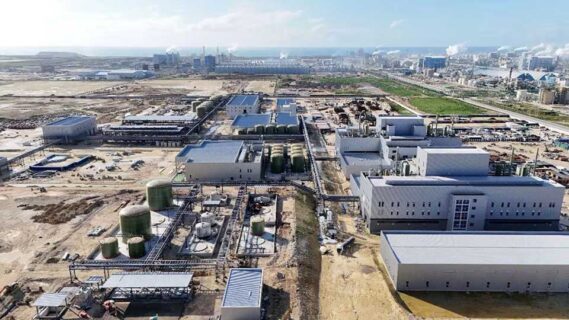
Morocco battery gigafactory project supports Africa’s industrial expansion
Morocco has emerged as an attractive destination for battery manufacturers because of its location near Europe. Manufacturers can ship products quickly to European automotive plants while benefiting from competitive production costs and modern transport infrastructure.
The country’s established automotive industry also creates important advantages. Vehicle manufacturers and component suppliers already operate across Morocco, providing experienced workers and well-developed supply networks for battery production.
Gotion High-Tech plans to develop an integrated facility that supports every major production stage from cathode materials to finished battery cells. This approach improves manufacturing efficiency while creating greater value within Morocco instead of relying on imported components.
Furthermore, the project aligns with Morocco’s ambition to become a regional leader in clean energy manufacturing. Government efforts to attract investments in renewable energy and electric mobility have encouraged several international companies to establish operations in the country.
The battery gigafactory also supports Africa’s broader industrialization agenda. Rather than exporting raw materials alone, the continent can increase local manufacturing capacity and capture greater economic value through advanced industrial production.
Industry analysts expect demand for lithium iron phosphate batteries to continue growing as electric vehicle production expands worldwide. Therefore, the Morocco battery gigafactory project could become an important supplier for European manufacturers seeking diversified battery supply chains.
Construction of the integrated manufacturing complex represents more than a single industrial investment. It also demonstrates how strategic financing can accelerate clean technology projects while strengthening regional manufacturing capabilities. As additional funding is secured, the project is expected to play a significant role in Morocco’s industrial growth and Africa’s transition into advanced battery production.
Morocco’s battery manufacturing ambitions are also supported by wider investments in energy storage infrastructure. The country is advancing several large-scale battery storage initiatives, including the planned 1.6 GW BESS projects, which aim to strengthen grid stability and improve renewable energy integration. Together, these developments reinforce Morocco’s strategy to build a complete clean energy ecosystem that supports both electricity storage and electric vehicle battery manufacturing.
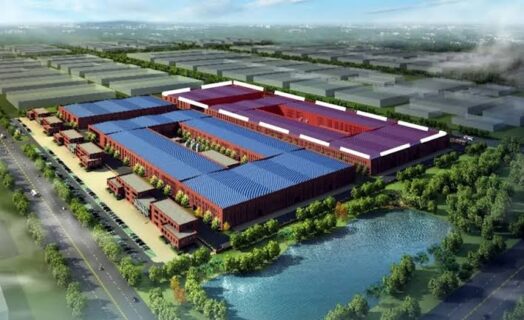
Project fact sheet
Name: Morocco Battery Gigafactory Project
Project type: Integrated lithium iron phosphate (LFP) battery gigafactory
Country: Morocco
Construction investment: Approximately $1.3 billion
Latest financing: €100 million ($114 million) loan approved by the African Development Bank
Additional planned financing: Up to €141 million from financial partners
Battery technology: Lithium iron phosphate (LFP)
Manufacturing scope: Integrated cathode-to-cell battery production
Additional products: Cathodes and anodes
Primary export destination: Europe
Strategic objective: Establish Africa’s first integrated battery gigafactory
Sector: Electric vehicle battery manufacturing
Current status (July 2026): Financing approved to support project construction.
Project team
Developer: Gotion High-Tech Co., Ltd. (China)
Project leadership: Gotion High-Tech
Lead financier: African Development Bank (AfDB)
Financial role: Mandated Lead Arranger
Potential co-financiers: Development finance institutions and financial partners to be mobilized by AfDB
Host country: Kingdom of Morocco
Target market: European electric vehicle manufacturers
Project purpose: Develop Africa’s first integrated cathode-to-cell lithium iron phosphate battery gigafactory
Industry sector: Electric vehicle battery manufacturing and clean energy supply chain development


Leave a Reply