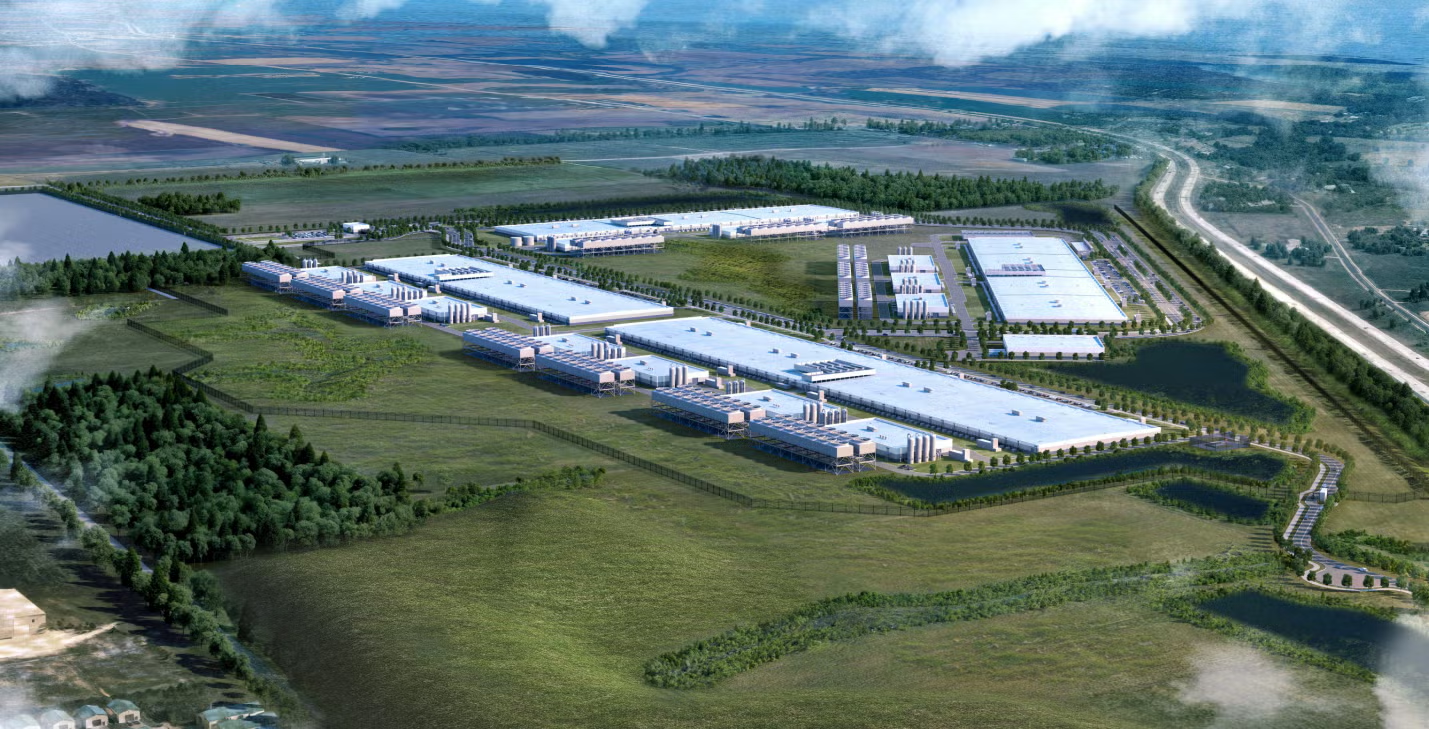
The $15bn Port Washington data center project is rapidly transforming quiet Wisconsin farmland into a high-stakes infrastructure battleground. Recently, Vantage Data Centers has teamed up with Oracle and OpenAI to build the massive 2.5-million-square-foot Lighthouse campus.
But local utility regulators just sent the American Transmission Company back to the drawing board on critical electrical upgrades. The power provider is shaking up a quiet Wisconsin community into a giant tech war zone with the $15B Port Washington data center.
Recently, developer Vantage Data Centers, along with Oracle and OpenAI, started building the massive 2.5-million-square-foot Lighthouse campus. But the magnitude of the “Stargate” project has left local residents in a state of fear and complete powerlessness.
Amanda Mueller, a recent retiree, saw her dream home on Lake Michigan get covered by large cranes and dirt trucks. She tried to sell her house but it was completely blocked, probably because of the secretive and fast industrial encroachment.
In the meantime, American Transmission Company recently offered a massive $2.5 billion power line project to just power the campus. This unprecedented electrical demand could therefore have a significant impact on regional ratepayers, consumer watchdogs warn. It is one of the many data center projects facing pushbacks as ServerDome’s Hueco Ranch data center has also started feeling the heat with significant pushback being witnessed from locals.
Local Pushback on the Port Washington Data Center
The amount of electricity and manpower needed to power up an AI campus of this scale is enormous. The data center is designed to provide up to 902 megawatts, and there is strong opposition to the significant environmental and mental health effects.
By 2027, the construction workforce will swell to 5,000, disrupting the small Midwestern town’s daily routine. The city council has been aggressively protested by opponents, who have engaged in civil disobedience and called for strict residential buffer zones.
On the other hand, Mayor Ted Neitzke is the project’s most vocal advocate, pointing to the huge long-term financial benefits. The city soon created a Tax Increment District to cover $175 million in local water and sewer improvements. Neitzke is convinced that this huge tax revenue guarantees prosperity for the next 75 years.
Secrecy, Land Sales, and the Future of AI
The rapid growth of industry has completely divided the close-knit community of Port Washington. Local farmers were instant millionaires, selling 173 acres for more than $10 million, while nearby homeowners are worried about property values plummeting. In addition, the public is extremely nervous because of the non-disclosure agreements that are in place during the initial planning stages.
At a recent site visit, the construction managers refused to reveal the length of Oracle and OpenAI’s lease. Mayor Neitzke acknowledges that the extreme secrecy left a huge knowledge gap, which led to local ignorance and fear. With the rapid advancement of AI technology, rural areas such as Port Washington are suddenly facing the physical infrastructure burden. In the end, this megaproject is a reflection of a national debate on the location of these huge, energy-intensive data centers.
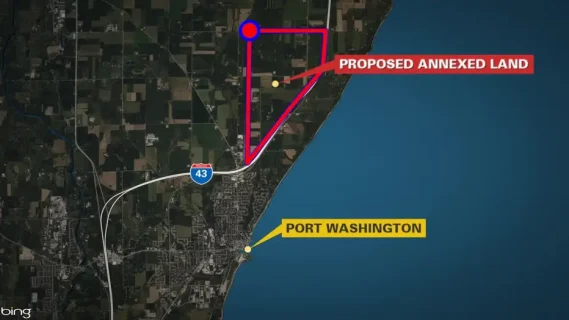
Project Overview
- Project Value: $15 Billion
- Location: Port Washington, Wisconsin
- Developer: Vantage Data Centers, Oracle, & OpenAI
- Status: Construction active; transmission approvals pending
Scope
- 2.5 million square feet
- Four single-story data centers
- 902 megawatts of capacity
- New local water tower
Project Highlights
- Part of the Stargate initiative
- Requires $2.5B transmission upgrade
- Employs 5,000 workers by 2027
- Fronts $175M in public infrastructure
Key Developments
- Power transmission proposal resubmitted recently
- ATC cited a $900M cost increase
- City approved Tax Incremental District
- Mayor hosted massive public tour
Key Challenges
- Calming fierce residential anxiety
- Meeting 1,300-megawatt initial power demands
- Navigating expensive grid upgrade approvals
- Also replacing rural lakeside agricultural land
Outlook
- Project completion expected by 2028
- Property values fund 18-year reimbursement
- Energy regulators will also review powerlines
- Future campus capacity reaches 3,500 megawatts


Leave a Reply