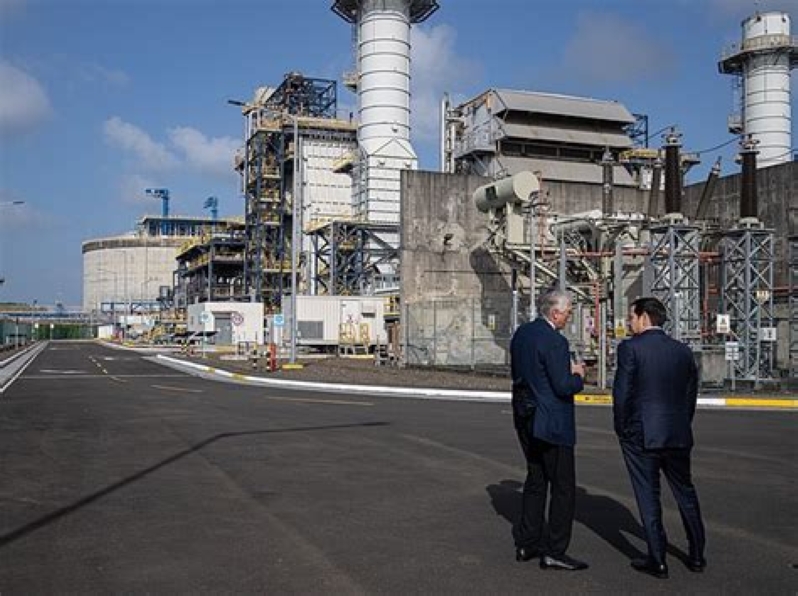
South Africa’s Durban LNG Power Plant project, backed by Vitol Group’s Engen Petroleum, is targeting a construction start in late 2028, with commercial electricity generation expected in the second half of 2031.
The proposed $2.3 billion Vitol liquefied natural gas (LNG) power project at the Port of Durban in South Africa is advancing towards development, with its sponsors outlining a construction timeline for the major energy infrastructure investment.
Engen Petroleum, a subsidiary of global energy trader Vitol Group, is working alongside a consortium that includes terminal operator VTTI and Saudi Arabian energy developer ACWA Power. The consortium expects to begin construction of the proposed 1.9GW gas-fired power facility towards the end of 2028. This is however subject to a final investment decision (FID).
The development, estimated to cost approximately R40 billion (US$2.3 billion), is expected to begin generating electricity in the second half of 2031. The latest timeline represents an important development for a project that was previously reported as a US$3 billion investment, with its construction schedule yet to be established.
The planned development will comprise an LNG import terminal, a gas-fired power station and associated pipeline infrastructure. The terminal is also expected to have a maximum regasification capacity of approximately 5 billion cubic meters of natural gas annually. This will provide fuel for electricity generation and potentially support additional industrial gas demand.
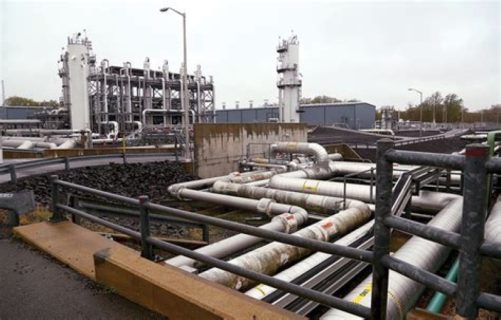
Durban LNG Project to Integrate Power Generation and Gas Infrastructure
Beyond electricity generation, the $2.3 billion Vitol LNG power plant is intended to establish an integrated LNG importation and distribution hub at Durban. Imported LNG will be received and processed at the terminal before being converted back into natural gas. The gas will then be used in the power station and distribution through associated pipeline infrastructure.
Earlier project disclosures identified the Lilly gas pipeline, which connects Secunda to Durban, as a potential distribution route for re-gasified LNG. The wider development concept also includes supplying LNG to off-grid industrial and mining operations through trucking infrastructure. It would also providing LNG bunkering services for vessels calling at the Port of Durban.
The approximately 1.9GW generating facility will use combined-cycle gas turbine (CCGT) technology. This configuration combines gas turbines with steam turbines to generate additional electricity from recovered exhaust heat, improving overall generation efficiency compared with conventional open-cycle gas generation.
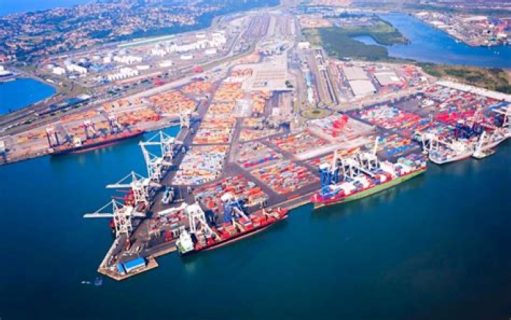
The project is also expected to benefit from Durban’s established maritime infrastructure. Once complete, the plant, formally announced by Vitol in February 2026, will also position itself as one of South Africa’s major commercial and industrial gateways.
Vitol-Backed Durban LNG Power Plant Advances Amid South Africa’s Gas Infrastructure Push
The Durban LNG project comes as South Africa seeks to diversify its electricity generation mix and establish alternative sources of natural gas. The country is also still heavily dependent on coal-fired power generation. This is while declining pipeline gas supplies from Mozambique have increased the urgency of developing alternative import infrastructure.
Additionally, the project previously received Strategic Integrated Project status from the South African government in September 2025. This designation is intended to facilitate the advancement of nationally significant infrastructure by streamlining certain administrative and regulatory processes.
The consortium had also reserved approximately 20 hectares for the proposed development under its Durban marine terminal master plan.
However, the project’s progress comes against a challenging backdrop for South Africa’s wider gas-to-power ambitions. In October 2026, the government announced that its first Gas Independent Power Producer Procurement Program (GASIPPPP) bid window had concluded without appointing preferred bidders. Four proposals offering a combined 2,830MW had been submitted against a procurement target of 2,000MW. However, none satisfied the mandatory gas-supply assurance requirements.
The outcome also highlighted the importance of developing LNG receiving facilities and securing reliable fuel supply arrangements before additional gas-fired generating capacity can be delivered.
Against this backdrop, the Durban project could play a significant role. It could establish the infrastructure needed to support imported natural gas in South Africa. Nevertheless, its planned late 2028 construction start remains dependent on the consortium reaching a final investment decision (FID). They will also need to complete the necessary development requirements.
If delivered according to the proposed schedule, the $2.3 billion Vitol LNG power plant in Durban would add substantial gas-fired generating capacity. It would also establish a new LNG import and distribution facility at one of South Africa’s most important ports.

Leave a Reply