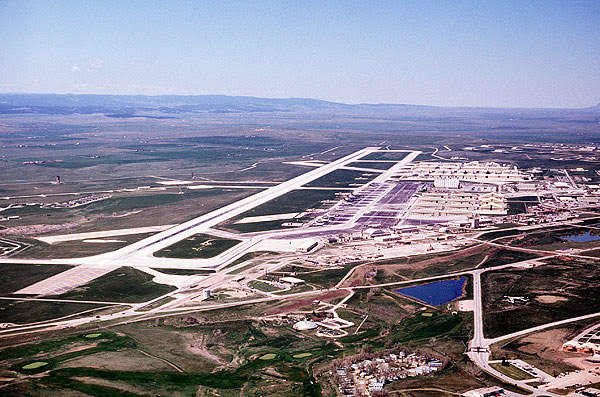
The U.S. Air Force is accelerating a massive transformation at Ellsworth Air Force Base in South Dakota to host the new B-21 Raider stealth bomber. The total cost of the infrastructure project has expanded to roughly $2 billion. This major investment will turn the installation into the first main operating base and formal training unit for the next-generation bomber. Construction crews are building specialized maintenance hangars, training facilities, and flight simulators tailored to the stealth aircraft.
Progress on the base is moving fast as several key facilities reach completion. The Air Force recently accepted a $161 million Low Observable Restoration Facility designed to care for the bomber’s specialized radar-absorbent coating. Crews also finished an $81 million maintenance hangar and wash rack. To tie all these projects together, the service activated B-21 Integration Detachment 1 to manage logistics, security upgrades, and training schedules. All construction remains on track to support the arrival of the first operational B-21 Raider aircraft in 2027.
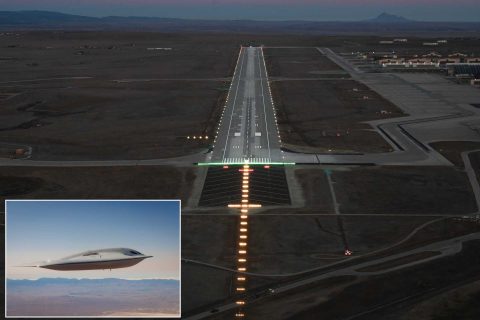
US Seeks to Upgrade its Air Force Fleet
The U.S. Air Force is accelerating its fleet modernization to field next-generation stealth assets and maintain air dominance. As part of this effort, the service is moving quickly to establish the $1.057 billion “F-47 Future Campus” at Nellis AFB, Nevada, creating a dedicated operational test site for Boeing’s new fighter jet. This state-of-the-art facility will support rapid testing and advanced flight operations, ensuring the fleet successfully transitions into the 2030s with cutting-edge capabilities.
September 15, 2026
Ellsworth B-21 infrastructure upgrade is accelerating as the U.S. Air Force prepares South Dakota for its first B-21 Raider deliveries. The approximately $2 billion construction program will transform Ellsworth Air Force Base into the bomber’s first main operating base. The installation will also host the B-21 Formal Training Unit. The Air Force expects the first aircraft to arrive in 2027.
The construction program reflects the specialized infrastructure required for the next-generation stealth bomber. It covers maintenance, training, security, communications and mission-support facilities.
The latest progress also shows the Air Force shifting from individual construction projects toward complete operational integration. That approach could reduce delays when the first aircraft reaches the base.
Ellsworth B-21 infrastructure upgrade reaches major construction milestone
Ellsworth B-21 infrastructure upgrade has already produced two major completed facilities. The Air Force formally accepted both buildings earlier this year.
The first facility is the $161 million Low Observable Restoration Facility. It provides specialized indoor space for maintaining the B-21’s radar-absorbent materials.
The second facility is an $81 million Wash Rack and General Maintenance Hangar. It supports aircraft cleaning, maintenance and other essential servicing requirements.
Fit-out teams are installing computers, furnishings and secure operational equipment inside both facilities. Those installations will prepare the buildings for operational use.
The completed buildings represent the first finished projects within Ellsworth’s estimated $2 billion construction program. However, several additional projects remain under development.
The infrastructure must also support sensitive B-21 operations and nuclear mission requirements. Therefore, construction extends beyond conventional aircraft hangars and maintenance buildings.
Ellsworth B-21 infrastructure upgrade expands operational capacity
Ellsworth B-21 infrastructure upgrade now involves construction, communications and training activities running simultaneously. The Air Force activated B-21 Integration Detachment 1 on September 9, 2026.
The new detachment will coordinate the complex beddown program across construction, training and mission integration. It will also connect thousands of activities supporting the B-21 transition.
Maj. Gen. Ty Neuman said the organization will help Ellsworth manage the transition. The base must maintain B-1B operations while preparing for the B-21.
Meanwhile, security infrastructure is also changing around the installation. The 28th Security Forces Squadron is upgrading detection and response capabilities.
The changes include counter-drone procedures, perimeter sensors, thermal imaging and automated intrusion detection systems. Security teams must also protect active construction zones alongside existing restricted areas.
The Air Force selected Ellsworth as the first B-21 operating base and training location. Officials made that selection after evaluating mission impact, facility reuse and construction costs.
The base will continue flying B-1B bombers during the transition. This requirement adds complexity because construction must proceed alongside active bomber operations.
Construction schedule aligns with B-21 production
The infrastructure program now coincides with accelerated B-21 production preparations. The Department of the Air Force and Northrop Grumman agreed to increase production capacity by 25%.
The agreement uses $4.5 billion already authorized under fiscal 2025 legislation. It aims to compress delivery timelines while maintaining cost and performance controls.
The Air Force says B-21 aircraft remain on track to reach Ellsworth in 2027. Flight testing continues at Edwards Air Force Base in California.
Consequently, Ellsworth must complete critical infrastructure before aircraft deliveries begin. The base is therefore treating construction, training and systems integration as parallel priorities.
The September integration-detachment activation strengthens that approach. It gives the Air Force dedicated leadership for coordinating the wider beddown program.
The Ellsworth B-21 infrastructure upgrade reflects broader U.S. investment in aviation infrastructure, including the Cleveland Hopkins Airport expansion plans, which target major terminal, passenger and airport access improvements.
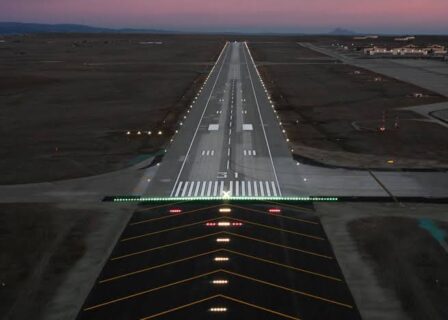
Project Fact Sheet
Project: Ellsworth B-21 Raider beddown and infrastructure program
Location: Ellsworth Air Force Base, South Dakota, United States
Construction value: Approximately $2 billion
Primary purpose: Prepare Ellsworth for B-21 operations and training
First aircraft delivery: Expected in 2027
Operating role: First main operating base for the B-21 Raider
Training role: B-21 Formal Training Unit
Completed facility: $161 million Low Observable Restoration Facility
Additional completed facility: $81 million Wash Rack and General Maintenance Hangar
Maintenance function: Supports low-observable material inspection and aircraft servicing
Construction scope: Specialized facilities, communications, security and mission infrastructure
Operational constraint: B-1B missions continue during the transition
Security scope: Counter-drone systems, sensors and upgraded protective capabilities
Integration milestone: B-21 Integration Detachment 1 activated September 9, 2026
Regional impact: The program supports long-term infrastructure and workforce growth around Ellsworth
Project Team
Owner: U.S. Department of the Air Force
Host installation: Ellsworth Air Force Base
Operational wing: 28th Bomb Wing
Command structure: Air Force Global Strike Command
Integration authority: Eighth Air Force
Integration unit: B-21 Integration Detachment 1
Detachment commander: Lt. Col. Joshua Dawkins
Base commander: Col. Erick Lord, 28th Bomb Wing
Facilities support: 28th Civil Engineer Squadron
Aircraft manufacturer: Northrop Grumman
Flight testing location: Edwards Air Force Base
Existing bomber platform: B-1B Lancer
Future aircraft platform: B-21 Raider
Security organization: 28th Security Forces Squadron
Program objective: Deliver an operational B-21 ecosystem at Ellsworth before 2027 arrivals



Leave a Reply