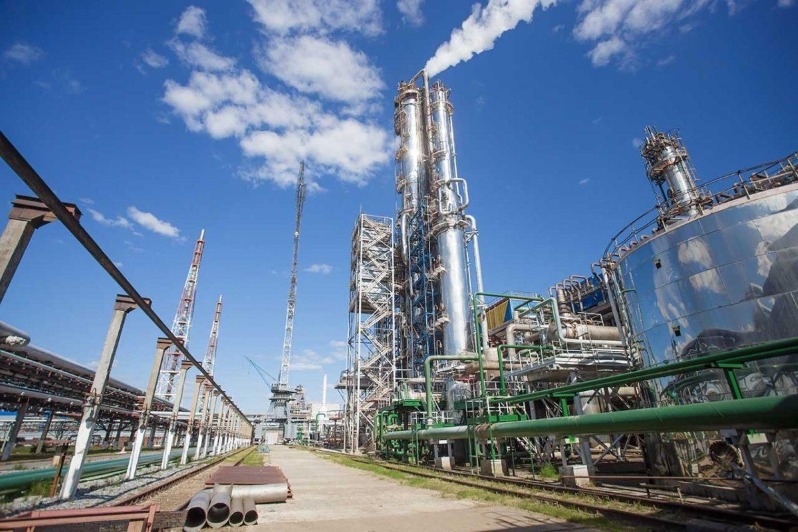
Export Trading Group (ETG), one of Africa’s major agricultural commodities traders and fertilizer suppliers, is planning a US$2 billion urea fertilizer manufacturing factory in Mozambique. ETG seeks to capitalize on the Mozambique’s natural gas resources as geopolitical tensions involving Iran drive up fertilizer prices.
The proposed development would expand ETG’s established fertilizer importation and distribution business into large-scale domestic manufacturing. It would also create an opportunity to convert Mozambique’s natural gas resources into nitrogen-based fertilizer for agricultural markets across sub-Saharan Africa.
The $2 billion investment also comes amid renewed attention to fertilizer supply security and vulnerability of the global oil supply chain. Natural gas is a critical feedstock for manufacturing ammonia, which is subsequently processed into urea, one of the world’s most widely used nitrogen fertilizers.
ETG’s plans follow discussions with Mozambican President Daniel Chapo in October 2026. During the discussion, ETG expressed its intention to invest in natural gas-based fertilizer production and establish itself as a leading producer in sub-Saharan Africa.
ETG fertilizer factory in Mozambique: Natural gas resources offer a manufacturing opportunity
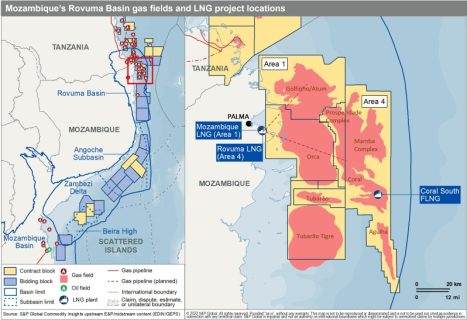
The proposed $2 billion fertilizer plant would build on Mozambique’s substantial natural gas reserves. This will be particular those located in the Rovuma Basin off the northern province of Cabo Delgado. Developing downstream industries around these resources could also help the country capture more economic value from its gas sector. This would be opposed to solely relying on exports of raw or liquefied gas.
For a urea facility, the development process would typically involve natural gas processing, ammonia synthesis and urea production. This is also supported by utilities, storage facilities and transport infrastructure. The final configuration of ETG’s proposed plant, including its capacity and site, remains subject to confirmation.
The project could also strengthen links between Mozambique’s energy industry and its agricultural sector. The country’s energy sector features investments such as its first onshore LNG facility and a US$2 billion gas-fired plant by Norwegian fertilizer maker Yara International that has however been abandoned by the investor. ETG has operated in Mozambique for more than 40 years and has an established presence in fertilizer imports and distribution. The company says it wants to become a leading fertilizer producer in sub-Saharan Africa.
If the $2 billion investment proceeds, the plant could supply fertilizer to Mozambique’s domestic market and potentially serve agricultural markets in neighboring countries. Regional distribution could also draw on ETG’s existing trading and logistics networks, although the intended export destinations have not been formally announced.
Iran war highlights the importance of fertilizer supply security
The timing of the proposed $2 billion Mozambique fertilizer factory by ETG is also significant because of the ongoing Iran conflict. The long-standing war involving Iran has disrupted fertilizer shipments through the Strait of Hormuz. Other than oil, the Strait of Hormuz is also a critical route for global trade in urea and other agricultural inputs.
The World Trade Organization (WTO) reported in July 2026 that fertilizer shipments through the strait had been severely disrupted following the outbreak of conflict in February. Urea prices also rose sharply in the early stages of the disruption. This is while import-dependent economies in Africa and Asia faced heightened exposure to supply shortages and price increases.
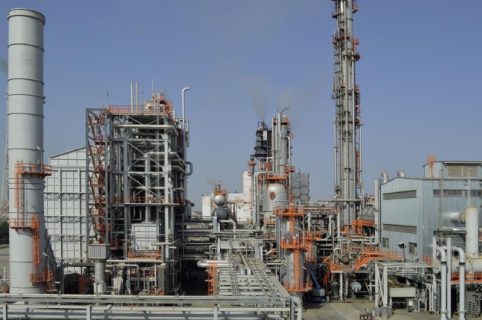
ETG’s $2 billion fertilizer factory investment in Mozambique would also offer a potential long-term response to these vulnerabilities. This is by adding production capacity closer to African agricultural markets. Local production could also reduce some reliance on imported finished fertilizer, although the plant would still depend on reliable gas supplies competitive manufacturing costs.
Furthermore, the wider commercial case will depend on whether ETG can secure the feedstock, financing and offtake arrangements. These are key requirements for a capital-intensive industrial facility such as the proposed $2 billion ETG fertilizer plant in Mozambique.
Project fact sheet for ETG fertilizer manufacturing factory in Mozambique
Developer: Export Trading Group (ETG)
Estimated cost: US$2 billion
Proposed location: Northern Mozambique
Planned product: Urea fertilizer
Proposed feedstock: Natural gas
Target market: Mozambique and wider sub-Saharan Africa
Project status: Planned development
Key market driver: Rising fertilizer prices and supply disruptions associated with the US-Iran-Israel war.
Who is involved
Export Trading Group (ETG
Government of Mozambique
Mozambique’s National Petroleum Institute (INP)


Leave a Reply