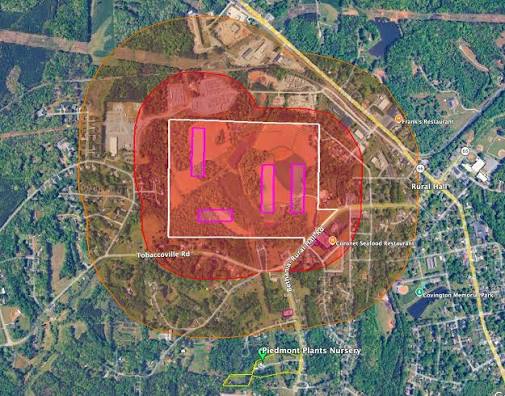
Effingham County leaders are holding a community town hall Monday to discuss the proposed $20 billion OpenAI data center, Project Camellia. Therefore, the Georgia Conservation Voters Education Fund and 100 Miles are bringing the “Data Centers, Energy & Our Community: What’s at Stake?” event to Springfield. The community has been concerned by the project being constructed with its impact on energy use and the environment.
Meanwhile people will challenge government officials and community activists regarding the implications of the huge facility. The town hall will be held from 6 p.m. to 8 p.m. Monday at Mars Theatre in Springfield. Specifically, the expected energy consumption at the facility and the Georgia Public Service Commission regulation of Georgia Power contracts are discussed. Thus, the resource needs and community effects of the data center continue to be key issues for local stakeholders. Another major data center project that is making headway despite setbacks is Rowan’s Temple data center. This comes even as community members continue to raise concerns about electricity consumption and water usage. As a result, the three-project development – Project Temple, Project Stampede and Project Ranger – will generate significant private investment, construction employment and tax revenue for the region.
Project Camellia Data Center Raises Energy and Infrastructure Concerns
Community advocates are urging the project to consider the power that the data center consumes, and its impact on the power grid. Concurrently, subject matter will encompass the impact of the facility on home electric bills, expansion of energy infrastructure and water resource allocation. In particular, the $20 billion Project Camellia data center is designed to consume a tremendous amount of power to power AI operations for OpenAI.
The town hall will also discuss how Georgia Power allocates contracts and capacity requirements for the Project Camellia data center. The Georgia Public Service Commission is a regulatory agency that sets prices and contracts for utilities that affect customers costs.
Outlook on Environmental and Economic Questions
Water use concerns also remain a concern with rural residents of Effingham County due to the effects of the Project Camellia data center. More specifically, big data centers consume a lot of cooling water, and they can be a water demand on local water sources. Additionally, community members are looking for information on the protection of environment and sustainability of resources over the long term. The $20 billion Project Camellia data center is an economic development project for rural Georgia, raising questions about how the benefits will be shared.
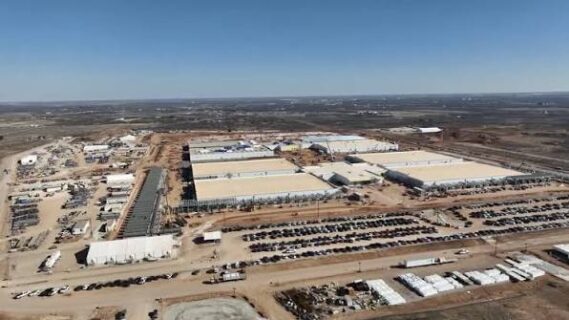
Project Overview
- Name: Project Camellia Data Center
- Value: $20 Billion
- Developer: OpenAI
- Location: Effingham County, Springfield area, Georgia
- Status: Community engagement phase, planning underway
Scope
- Large-scale AI data center facility
- Substantial electrical infrastructure requirements
- Cooling and water management systems
- Also support for OpenAI AI model training and operations
- Rural Georgia development
Highlights
- Major technology infrastructure investment in rural Georgia
- Significant economic activity for Effingham County
- Advanced data center operations
- AI computing capacity expansion
- Community engagement priority
Key Developments
- Town hall scheduled September 16, 2026
- Georgia Conservation Voters Education Fund organizing
- One Hundred Miles advocacy group participating
- Community questions and concerns being gathered
- Georgia Public Service Commission regulatory involvement
Challenges
- Projected energy demand impacts on grid stability
- Electricity rate implications for residential customers
- Water resource availability and also allocation
- Environmental protection and sustainability measures
- Rural community integration and also benefit-sharing
- Infrastructure expansion requirements
Outlook
- Community feedback informing project planning
- Georgia PSC regulatory review ongoing
- Energy and also infrastructure needs assessment underway
- Environmental impact studies anticipated
- Local stakeholder negotiations continuing


Leave a Reply