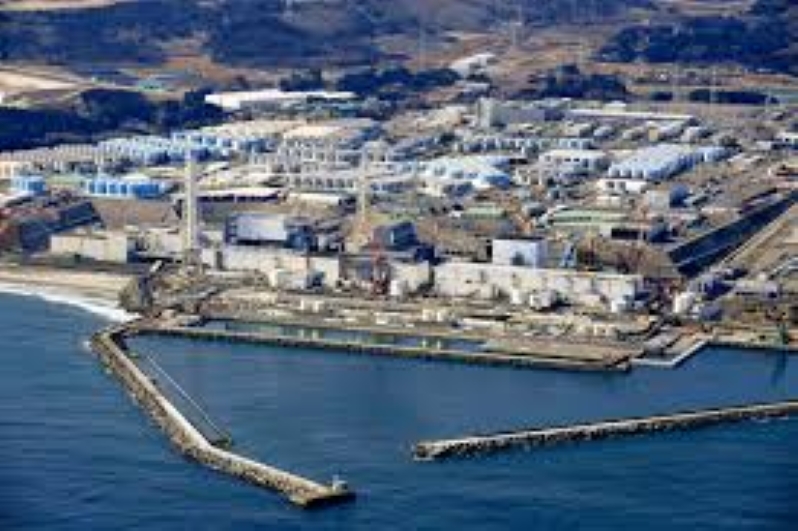
South Korea has confirmed that Japan’s 20th discharge of treated radioactive water from the Fukushima Daiichi Nuclear Power Station was conducted in accordance with established safety standards, marking another milestone in the long-running decommissioning program at the site.
The announcement follows South Korea’s continued monitoring of Japan’s discharge operations. These operations have remained under intense international scrutiny since the first release began in 2023. According to South Korean authorities, the latest assessment found no abnormalities in the discharge process. The assessment also found no evidence of environmental impacts exceeding internationally accepted thresholds.
The Fukushima water discharge program
The Fukushima water discharge program remains one of the most closely watched environmental and nuclear management initiatives in Asia. The water being released has undergone treatment through Japan’s Advanced Liquid Processing System (ALPS), which removes most radioactive substances before controlled discharge into the Pacific Ocean. Tritium, which cannot be removed using current large-scale technologies, remains present in concentrations that Japan says comply with international standards.
For South Korea, independent verification has become an important component of maintaining public confidence. Seoul has continued to conduct its own monitoring while also reviewing data from Japanese authorities and international organizations.
The latest confirmation is significant because it reinforces the growing acceptance among regulators that the discharge process is proceeding as planned despite lingering public concerns in several countries across the region.
Project Background
The Fukushima Daiichi Nuclear Power Station suffered catastrophic damage following the 2011 earthquake and tsunami that struck northeastern Japan. Since then, cooling water and groundwater infiltration have resulted in the accumulation of large volumes of contaminated water requiring treatment and storage.
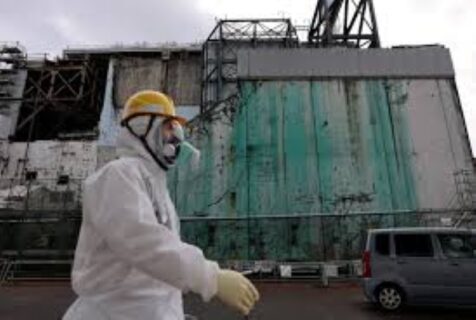
Japan’s government and plant operator TEPCO have argued that controlled ocean discharge is necessary. This is because storage capacity at the site is finite and continued decommissioning activities require additional space.
The discharge program is expected to continue for decades as part of the broader Fukushima cleanup and decommissioning plan. TEPCO also started debris removal for unit 1 reactor and fuel removal for reactor No. 2 within this month.
Oversight and Monitoring
International oversight has been provided by the International Atomic Energy Agency (IAEA). IAEA has repeatedly stated that Japan’s discharge approach is consistent with international safety standards. Independent monitoring by neighboring countries, including South Korea, has added another layer of scrutiny.
South Korean officials indicated that the 20th discharge cycle was completed without incident and that monitoring data remained within expected parameters. The findings are expected to support continued cooperation between Seoul and Tokyo on nuclear safety and environmental monitoring initiatives.
Outlook
The successful completion of the 20th discharge also highlights the gradual normalization of a process that initially generated significant diplomatic and public debate across East Asia. While concerns over marine ecosystems and seafood safety continue to be raised by some stakeholders, regulatory assessments have so far consistently concluded that the releases remain within established safety limits.
As Japan advances the long-term decommissioning of Fukushima Daiichi, continued transparency, independent verification, and international cooperation will remain essential to maintaining public trust in the process.
Fukushima Daiichi Treated Water Discharge Program Fact Sheet
Location: Fukushima Daiichi Nuclear Power Station
Latest Milestone: Completion of 20th discharge cycle
Operator: Tokyo Electric Power Company
Regulator Oversight: Japanese authorities and the IAEA
South Korean Position: Latest discharge confirmed as compliant with safety standards
Long-Term Objective: Support decommissioning of Fukushima Daiichi


Leave a Reply