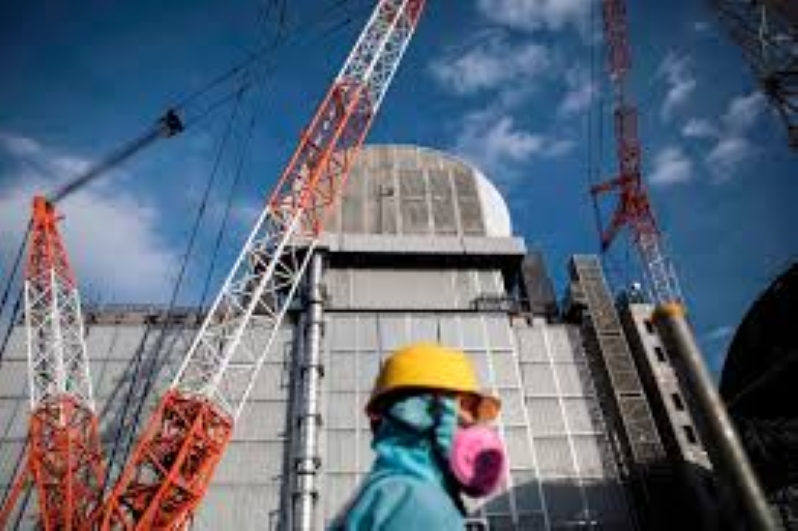
The long-running decommissioning effort at Japan’s Fukushima Daiichi Nuclear Power Plant reached another important milestone on June 2, 2026, when Tokyo Electric Power Company Holdings (TEPCO) started the removal of nuclear fuel from the spent fuel pool of Unit 2. The operation is one of the most technically challenging phases of the site’s decades-long cleanup program following the catastrophic 2011 earthquake, tsunami and nuclear accident. TEPCO intends to complete the removal of all fuel assemblies from the Unit 2 pool by fiscal year 2028.
Fukushima Daiichi Nuclear Power Plant Decommissioning Program
The Fukushima Daiichi decommissioning program remains one of the largest and most complex nuclear cleanup projects ever undertaken in the world. While significant progress has been made in stabilizing the site since the 2011 disaster, the removal of spent and unused nuclear fuel from reactor buildings remains a top priority due to the potential safety risks posed by fuel stored above ground in spent fuel pools.
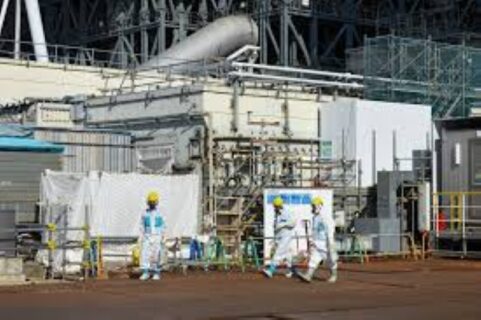
Unit 2 also presents unique challenges because radiation levels within the reactor building remain extremely high following the core meltdown that occurred during the Fukushima accident. Unlike conventional nuclear decommissioning projects, many operations at Fukushima must be conducted remotely due to hazardous working conditions.
The start of fuel removal from Unit 2 follows earlier fuel removal campaigns at reactors 3 and 4 within the Fukushima Daiichi complex. The same process has also been started for Unit 1 reactor with debris removal ahead of fuel transfer slated for April 2027. The entirety of the program marks another step toward Japan’s long-term goal of fully decommissioning the facility over the coming decades.
Fukushima Daiichi Nuclear Power Plant’s Unit 2 Reactor Fuel Removal
According to TEPCO, Fukushima Daichi Unit 2 fuel pool currently contains:
- 587 spent fuel assemblies
- 28 unused fuel assemblies
The company has elected to remove the unused fuel assemblies first because they present a lower radiological risk. This allows operators to validate equipment and procedures before handling highly radioactive spent fuel.
Furthermore, the operation is being carried out using remotely controlled equipment due to radiation levels inside the reactor building. Radiation measurements on the fifth floor, where the spent fuel pool is located, range between 3 and 5 millisieverts per hour, making extended human presence dangerous.
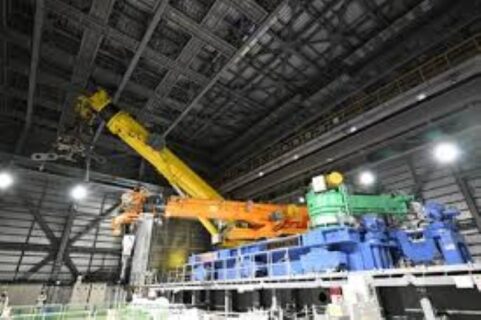
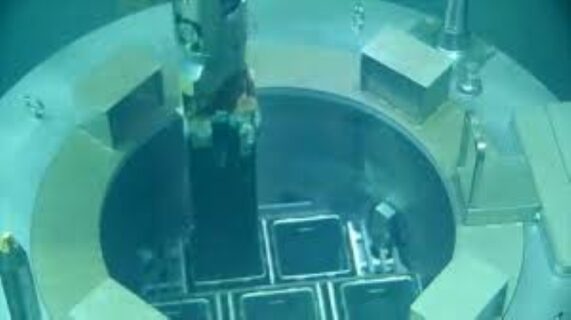
Additionally, fuel assemblies are being extracted individually using a remotely operated crane system. They are then transferred into specialized transport containers known as casks. Once loaded, the casks are lifted from the pool and transferred to transport vehicles via a dedicated platform installed adjacent to the reactor building.
Engineering and Safety Measures
The fuel removal program relies heavily on:
- Remote-controlled fuel handling cranes
- Shielded transport casks
- Specialized transfer platforms
- Radiation monitoring systems
- Worker exposure management protocols
- Enhanced contamination control measures
These technologies have been developed and refined over more than a decade of decommissioning work at Fukushima Daichi nuclear power plant. They are intended to minimize human radiation exposure while ensuring safe transport and storage of nuclear materials.
Other technologies employed at Fukushima include the Advanced Liquid Processing System (ALPS) which rids nuclear contaminated water of most radioactive substances before release into the Pacific Ocean. Japan recently completed the 20th discharge of treated radioactive water from the Fukushima Daiichi nuclear power station.
Who is involved in Fukushima Daiichi Nuclear Power Station Decommissioning
Owner
- Tokyo Electric Power Company Holdings
Regulatory and Government Stakeholders
- Nuclear Regulation Authority
- Ministry of Economy, Trade and Industry
- International Atomic Energy Agency (IAEA)
Outlook: What next at Fukushima Daiichi Nuclear Plant
The successful start of fuel removal from Unit 2 is expected to pave the way for the full extraction of all 615 fuel assemblies currently stored in the reactor’s spent fuel pool.
TEPCO’s target is to complete the operation by fiscal 2028, after which attention will shift toward the even more challenging task of removing melted fuel debris from damaged reactor containment structures. These developments also come as TEPCO continues operations at the recently restarted Kashiwazaki-Kariwa facility which is among the largest nuclear power plants in the world, and lines up others for restart.
Challenges and Risks
While the project remains a key benchmark for Japan’s nuclear decommissioning capabilities several significant risks remain:
- Persistent high radiation levels within reactor structures
- Potential equipment failures during remote handling operations
- Worker exposure management challenges
- Long-term storage and transportation requirements for removed fuel
- Schedule delays associated with unforeseen technical conditions
- Public and regulatory scrutiny regarding decommissioning progress may also affect the program
Fact Sheet for Fukushima Daiichi Nuclear Plant’s Unit 2 Fuel Removal Program
Location: Fukushima Prefecture
Owner/Operator: Tokyo Electric Power Company Holdings
Milestone Achieved: Start of reactor number 2 fuel removal
Date: June 2, 2026
Spent Fuel Assemblies: 587
Unused Fuel Assemblies: 28
Total Assemblies in Pool: 615
Radiation Levels on Pool Floor: Approximately 3-5 mSv/hour
Removal Method: Remote-controlled crane and cask transfer system
Target Completion: 2028
Project Objective: Safe removal of all fuel assemblies from Unit 2 spent fuel pool as part of Fukushima Daiichi decommissioning program

Leave a Reply