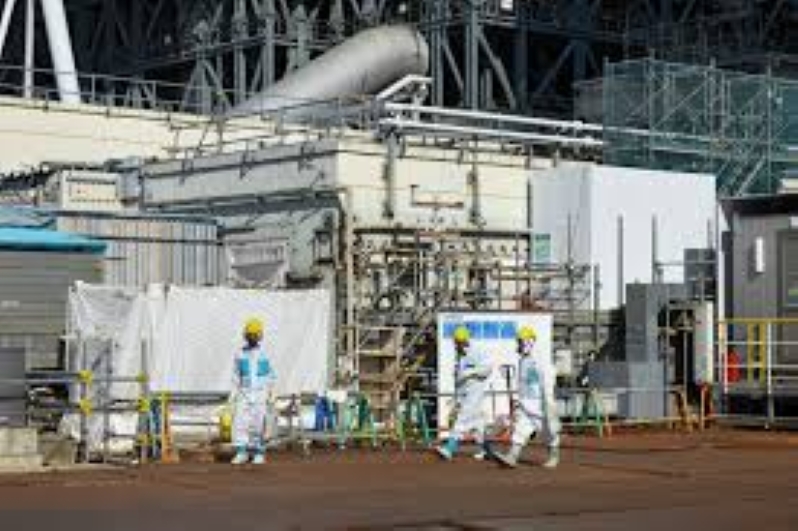
Japan’s Fukushima Daiichi nuclear power station decommissioning is picking pace after TEPCO started debris removal from Unit 1 reactor building. This will allow access to the fuel pool located on the top floor of the Unit 1 reactor building. About 1,200 tons of debris is on the top floor. Fukushima’s operator TEPCO says it plans to start removing the fuel from the pool as early as April 2027 after debris removal is completed.
The broader Fukushima Daiichi decommissioning program is part of a decades-long effort to dismantle the facility following the catastrophic 2011 earthquake and tsunami, which caused core meltdowns in multiple units and widespread structural damage.
Fukushima Daiichi Decommissioning Program
The Fukushima cleanup is widely regarded as one of the most technically demanding nuclear remediation efforts ever undertaken. In general, priority remains the removal of spent nuclear fuel from storage pools, followed by eventual extraction of melted fuel debris from reactor containment vessels.
While fuel removal from Units 3 and 4 has already been completed, Units 1 and 2 remain key focus areas due to higher radiation levels and structural damage. Fukushima’s Unit 2 reactor fuel removal started earlier this month.
Fukushima Reactor Debris Removal: Engineering and Operational Progress
Recent activities at the Fukushima nuclear power plant site include:
- Debris removal around reactor buildings to clear operational space
- Installation and testing of remote fuel-handling cranes
- Preparation of transport cask systems for underwater fuel transfer
- Expansion of controlled access zones within reactor structures
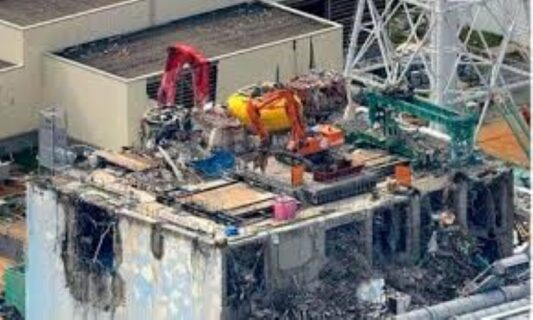
TEPCO’s approach also relies heavily on robotics and remote manipulation. This is due to radiation levels that remain hazardous for human exposure in upper reactor floors.
Radiation in the Fukushima reactors building continues to restrict worker time on-site, requiring strict operational sequencing and extensive simulation exercises before actual fuel movement begins.
Broader Decommissioning Pathway
The Fukushima Daiichi decommissioning roadmap includes:
- Spent fuel removal from all reactor pools
- Transfer of fuel to common storage facilities on site
- Extraction of melted fuel debris from reactor cores
- Final demolition and site decontamination over several decades
Industry estimates also suggest total decommissioning could take up to 4 decades with full completion likely extending into the 2050s.
Outlook on Fukushima Reactor Debris Removal
Progress made on the Fukushima Daiichi nuclear power station decommissioning is promising. However, the complexity of radiation environments and structural uncertainty means progress will remain gradual and highly controlled.
Furthermore, international oversight and continuous monitoring remain central to maintaining safety confidence as Japan advances through the most sensitive stages of the decommissioning process. This oversight has helped in the water discharge program. Japan recently marked the successful completion of the 20th discharge of treated radioactive water from Fukushima.
Fukushima Daiichi Reactor Unit Decommissioning Program Fact Sheet
Operator: TEPCO
Current Phase: Debris clearance, and fuel rods removal and transfer
Key Focus Units: Unit 1, 2 and 5
Completed: Fuel removal from Units 3 & 4
Method: Remote-controlled cranes, underwater fuel cask transfer
Timeline: 2050s
End Goal: Full nuclear plant dismantling and environmental restoration


Leave a Reply