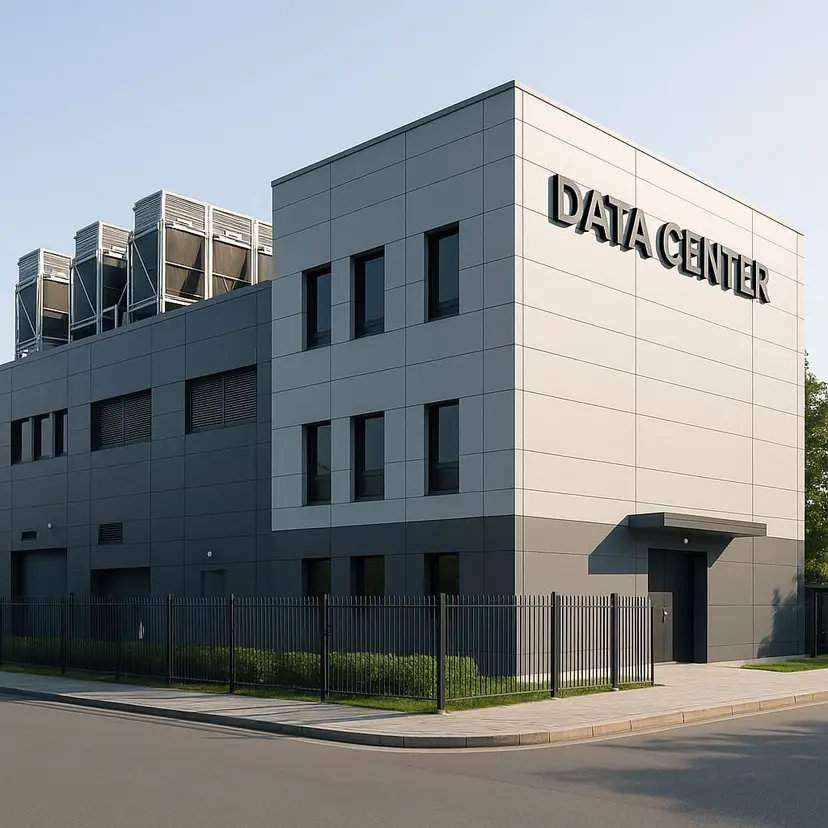
The Microsoft Australia Data Centre projects valued at about $25 billion, is progressing in June 2026 as one of the country’s largest digital infrastructure investments. The construction program focuses on expanding hyperscale data center capacity, strengthening cybersecurity systems, and scaling AI computing infrastructure across Australia. Moreover, the project supports Microsoft’s long-term commitment to increase Azure AI and cloud capacity by more than 140% by 2029. Consequently, Australia continues to position itself as a strategic hub for global AI and cloud operations. The investment aligns with government priorities on digital sovereignty, energy transition, and skills development.
In addition, the project builds on Microsoft’s existing footprint of data centers across Sydney, Melbourne, and Canberra. These facilities already form part of Australia’s multi-region cloud infrastructure network. Therefore, the new investment expands rather than replaces established capacity. Furthermore, the initiative includes collaboration with Australian government agencies on cybersecurity and AI safety frameworks. As a result, the development integrates both physical infrastructure and national digital resilience systems.
Current Status Update (June 2026)
As of June 2026, the Microsoft Australia AI Data Centre Project is in advanced pre-construction and phased deployment planning. Importantly, land acquisition, grid planning, and regulatory approvals are largely in place for multiple expansion sites.
Furthermore, Microsoft is actively expanding its existing data center capacity across its Sydney, Melbourne, and Canberra regions. These upgrades focus on AI-optimized computing infrastructure and high-density GPU deployment. Consequently, early-stage construction activities include infrastructure readiness works, procurement of long-lead electrical and cooling systems, and network expansion planning.
Additionally, negotiations with energy providers continue to secure long-term renewable power agreements. Therefore, the project is increasingly tied to Australia’s renewable energy expansion pipeline. While major new builds are not yet fully completed, staged delivery is expected to accelerate through 2026 and into 2027.
Overall, the project has moved from announcement into structured execution planning, with construction readiness improving across multiple sites and systems integration underway.
The Microsoft Australia Data Centre projects and the Bundey Data Centre construction project are increasingly shaping a connected national narrative on hyperscale AI infrastructure development in Australia. In particular, the Bundey Data Centre project in South Australia complements Microsoft’s $25 billion expansion by demonstrating how renewable-rich grids are attracting large-scale global cloud and AI investments. Moreover, both projects highlight a shared strategy focused on pairing high-density computing capacity with low-carbon electricity networks. Consequently, Australia is emerging as a unified hub for AI infrastructure, where interconnected developments across states reinforce grid investment, transmission upgrades, and long-term digital economy growth.
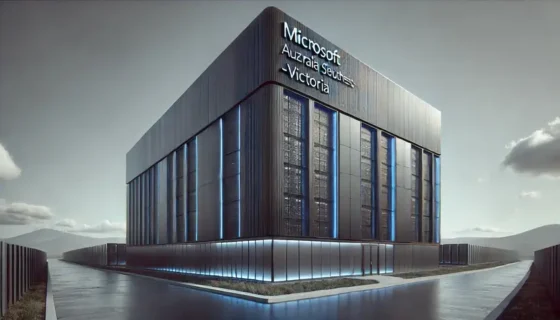
Microsoft Australia Data Centre Projects strengthens hyperscale construction rollout
Microsoft continues to advance construction planning for multiple new and expanded data center sites across Australia. Importantly, the project is being delivered in phases through 2029, with staged capacity additions rather than a single mega-build. Consequently, early works focus on land preparation, grid interconnection agreements, and procurement of high-density AI hardware infrastructure.
Moreover, Microsoft has secured regulatory alignment with the Australian Government through a memorandum of understanding that supports energy efficiency, water use standards, and infrastructure cost sharing. Therefore, the construction framework integrates sustainability requirements alongside hyperscale engineering demands. Additionally, the company is coordinating with transmission and utility providers to ensure sufficient power availability for AI workloads.
Transitioning to execution, the project aligns closely with Australia’s renewable energy transition strategy. Microsoft has committed to sourcing increasing volumes of renewable electricity to power its expanding data center footprint. As a result, construction planning now integrates long-term power purchase agreements and grid decarbonization pathways.
Australia data center project scales AI infrastructure buildout
The Australia data center project construction program drives rapid expansion of hyper scale data centers across existing and planned Azure regions. Notably, the initiative builds on a previous $5 billion investment that expanded Microsoft’s footprint to 29 data center sites in Australia. Therefore, new construction phases focus on increasing compute density for AI workloads and cloud services.
In addition, engineering teams prioritize high-performance infrastructure capable of supporting advanced AI processors. Meanwhile, modular construction techniques and phased deployment strategies improve delivery efficiency. As a result, capacity expansion aligns with rising demand for generative AI and cloud computing.
Furthermore, the project integrates cybersecurity infrastructure alongside physical data center expansion. Consequently, national cyber defense capabilities strengthen as digital workloads increase. However, detailed breakdowns of facility locations and timelines have not been disclosed.
Additionally, electricity demand presents a major planning challenge for construction delivery. Meanwhile, data centers are projected to consume around 6% of Australia’s electricity grid by 2030, up from about 2% today. Therefore, energy planning and grid coordination become critical components of the buildout.
Moreover, supply chains for chips, servers, and cooling systems remain globally concentrated. Consequently, a significant portion of capital expenditure flows to overseas manufacturers. However, local construction activity still benefits from civil works, installation, and infrastructure development.
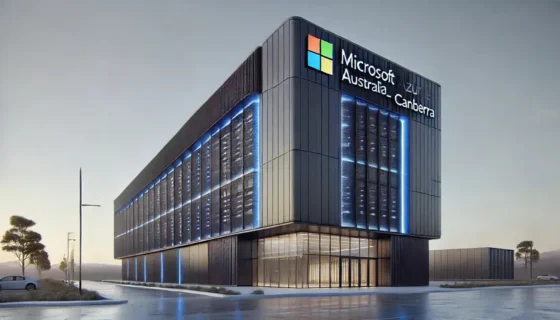
Australia data center project targets workforce skills and cybersecurity growth
The Australia data center project construction program extends beyond physical infrastructure into workforce development and cybersecurity training. Therefore, Microsoft aims to train three million Australians in AI-related skills by 2028. Moreover, this initiative supports broader national productivity and digital capability growth.
In addition, cybersecurity investments strengthen enterprise and government resilience against evolving digital threats. Meanwhile, AI integration into public and private systems increases demand for secure infrastructure. As a result, cybersecurity frameworks expand alongside data center construction.
Furthermore, partnerships with government agencies support alignment with national AI and data center guidelines. Consequently, regulatory coordination shapes how infrastructure is deployed across regions. However, some industry stakeholders question the long-term distribution of economic benefits.
Additionally, analysts highlight that hyper scale infrastructure creates limited permanent jobs compared to its capital intensity. Meanwhile, operational roles primarily focus on facilities management, electrical systems, and cooling maintenance. Therefore, workforce benefits concentrate in specialized technical areas rather than large-scale employment creation.
Moreover, debate continues around how much investment remains within the Australian economy. Consequently, policymakers are examining local supply chain participation and long-term value retention. However, supporters argue the project enhances national competitiveness in AI and digital services.
Strategic construction impact, energy demand and economic implications
The Australia data center project construction program significantly reshapes Australia’s infrastructure and energy landscape. Therefore, construction demand increases for electrical systems, civil works, and high-density computing facilities. In addition, utilities face pressure to expand generation capacity to support AI growth.
Moreover, renewable energy integration becomes essential for long-term sustainability goals. Meanwhile, environmental planning influences data center design and cooling requirements. As a result, infrastructure development increasingly aligns with energy transition policies.
Furthermore, the project positions Australia as a potential Asia-Pacific digital infrastructure hub. However, achieving this requires sustained investment in power, water, and connectivity systems. Consequently, construction planning must account for long-term scalability.
Additionally, government-industry collaboration plays a key role in regulatory oversight and infrastructure approvals. Meanwhile, a parliamentary inquiry is examining data center energy use, land use, and economic impact. Therefore, policy frameworks are likely to evolve alongside construction expansion.
The project expands hyperscale data centers, cybersecurity systems, and AI skills infrastructure across Australia, strengthening national digital capacity and cloud computing resilience. Moreover, the initiative accelerates AI infrastructure deployment while supporting workforce training and cybersecurity upgrades. Consequently, it builds on Microsoft’s existing Azure expansion footprint across multiple Australian regions such as the Kemps Creek AI data centre project.
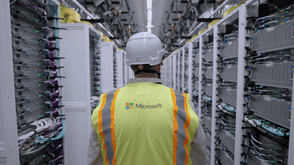
Project Fact Sheet
Project Name: Australia data center project
Location: Australia (Azure regions across Sydney, Melbourne, and other selected hubs)
Project Value: $25 billion (capital and operational expenditure)
Timeframe: Through 2029, with workforce training targets by 2028
Project Type: AI data centers, cybersecurity infrastructure, AI skills development program
Scope: Hyper scale data centers, cloud infrastructure expansion, cybersecurity systems, workforce training
Existing Base: Expansion of 29 Azure data center sites across three cloud regions
Key Objective: Strengthen AI compute capacity, cybersecurity resilience, and national productivity
Energy Consideration: Expected rise to ~6% of national electricity demand by 2030
Workforce Target: Training 3 million Australians in AI skills by 2028
Strategic Outcome: Position Australia as a major Indo-Pacific AI and cloud infrastructure hub
Project Team
Project Owner: Microsoft Corporation (Global Azure & AI Infrastructure Division)
Executive Leadership: Microsoft global executive leadership team, including Azure infrastructure division
Government Partner: Government of Australia (Federal Government and relevant state authorities)
Technology Partners: Global semiconductor manufacturers, server suppliers, and AI hardware vendors
Construction Partners: International and Australian data center construction contractors and engineering firms
Cybersecurity Partners: Microsoft Security Division and national cybersecurity coordination bodies
Energy Partners: Australian electricity utilities and renewable energy providers
Regulatory Bodies: Australian digital infrastructure and communications regulators
Training Partners: Australian education institutions and workforce development programs




Leave a Reply