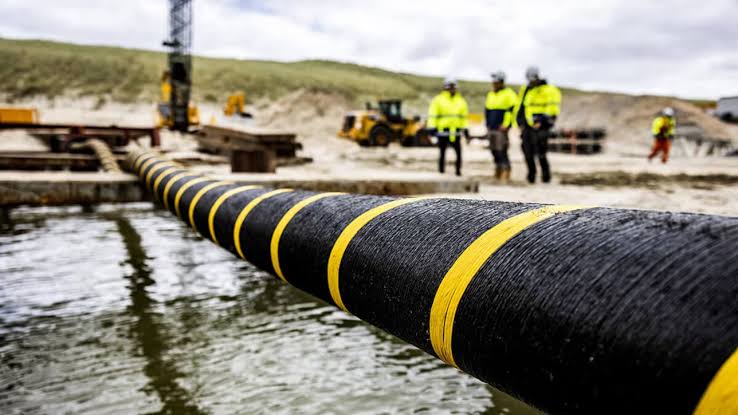
Morocco-Germany power cable construction has encountered a major diplomatic obstacle, threatening one of the world’s most ambitious renewable energy infrastructure projects. The proposed $30 billion development aims to transmit clean electricity from Morocco to Germany through the world’s longest subsea power cable. However, the project has stalled because Morocco and Germany have yet to finalize an intergovernmental agreement. The delay raises fresh questions about timelines, financing, and Europe’s broader strategy for securing renewable electricity imports from North Africa.
The proposed Sila Atlantik project would stretch about 4,800km beneath the Atlantic Ocean. It would transport up to 15GW of renewable electricity generated in Morocco to Germany. If completed, the interconnector could supply roughly 5% of Germany’s annual electricity demand while strengthening Europe’s energy security.
Developers designed the project to capitalize on Morocco’s abundant solar and wind resources. Moreover, the scheme aligns with Europe’s long-term decarbonization targets and growing demand for cross-border renewable energy connections.
Morocco-Germany power cable construction awaits diplomatic agreement
Project developers cannot advance into full construction without formal political backing from both governments. Although technical planning continues, officials still need to establish a bilateral framework covering regulation, investment protection, and long-term energy cooperation.
The missing agreement has delayed several project milestones. Consequently, investors continue monitoring political developments before committing significant capital to construction activities.
The diplomatic hurdle also reflects the growing complexity of cross-border energy infrastructure. International interconnectors require coordinated policies on permitting, transmission rules, environmental compliance, and energy market integration before construction begins.
Germany views imported renewable electricity as part of its wider energy transition strategy. Meanwhile, Morocco continues positioning itself as a regional renewable energy export hub through large-scale solar and wind investments.
The Morocco-Germany power cable is part of a broader trend of transcontinental electricity interconnection projects linking Africa and Europe. Another flagship initiative is the EuroAfrica Interconnector, which will connect Egypt, Cyprus, and Greece through a high-voltage subsea cable, strengthening regional grid integration and enabling renewable electricity exports to European markets.
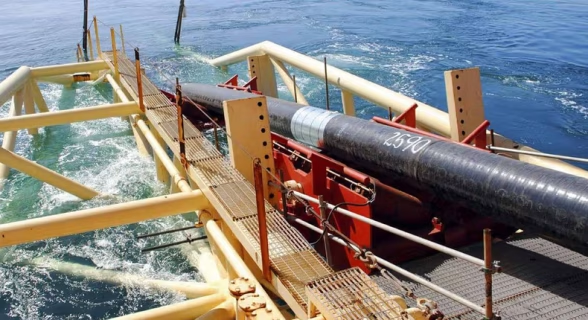
Morocco-Germany power cable project highlights wider European challenges
The delay follows similar political setbacks affecting other long-distance renewable electricity projects linking North Africa and Europe.
Last year, the UK government withdrew support for the Morocco-UK Power Project despite years of planning. British ministers concluded that domestic renewable generation offered stronger economic and strategic benefits than importing electricity through a subsea cable.
That project planned to deliver Moroccan renewable electricity through a 3,800km subsea cable to Britain. Although developers continue exploring alternative pathways, government backing remains essential for financial close.
Nevertheless, European interest in cross-border electricity infrastructure continues growing. Portugal and Morocco recently agreed to jointly pursue European Union support for a separate electricity interconnector following the Iberian power outage. That initiative demonstrates continued momentum for regional grid integration despite challenges facing larger projects.
For the Morocco-Germany proposal, developers remain optimistic that diplomatic negotiations will eventually unlock construction. Once governments conclude the required agreement, engineering, procurement, environmental approvals, and financing activities could accelerate toward implementation.
If completed, the project would establish the world’s longest intercontinental subsea electricity cable. Furthermore, it would reinforce Morocco’s position as a leading renewable energy exporter while supporting Germany’s transition toward cleaner electricity supplies.
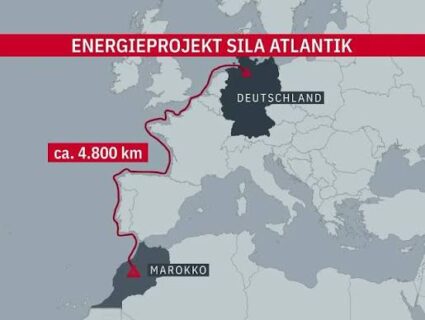
Project fact sheet
Name: Sila Atlantik Morocco-Germany Power Cable Project
Value: $30 billion
Project type: Renewable energy transmission and subsea HVDC interconnector
Location: Morocco to Germany via the Atlantic Ocean
Cable length: Approximately 4,800km
Transmission capacity: Up to 15GW
Energy source: Solar and wind power generated in Morocco
Target market: Germany
Expected electricity supply: Around 5% of Germany’s annual electricity demand
Current status: Development delayed pending an intergovernmental agreement between Morocco and Germany
Key challenge: Diplomatic negotiations and regulatory approvals
Strategic objective: Improve European energy security while expanding renewable electricity imports
Significance: Would become the world’s longest intercontinental subsea power cable
Project team
Project developer: Xlinks Germany GmbH
Power generation partner: Renewable energy assets in Morocco
Grid integration stakeholders: Amprion
Grid integration stakeholders: TenneT
Strategic energy partners: Ørsted
Strategic energy partners: EnBW
Government stakeholders: Government of Morocco
Government stakeholders: Government of Germany
Potential funding stakeholders: Institutional investors, infrastructure funds, export credit agencies, and commercial lenders
Regulatory stakeholders: Moroccan and German energy authorities, environmental regulators, and transmission system operators responsible for cross-border approvals.


Leave a Reply