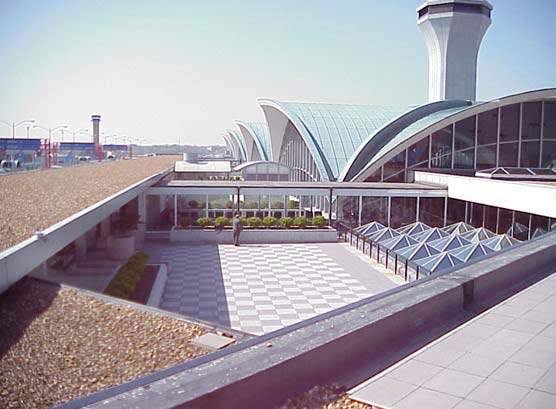
The Lambert terminal redevelopment project in St. Louis, Missouri, faces another timeline setback as airport officials negotiate construction cost increases with airline partners. St. Louis Lambert International Airport now targets the first quarter of 2027 for agreement on the revised 30% design package. The negotiations have delayed a major planning milestone for the proposed single-terminal complex.
Moreover, rising material and construction expenses have forced stakeholders to reconsider the project’s scope, terminal size and gate capacity. The airport originally estimated the redevelopment at between $2.8 billion and $3 billion. However, officials have declined to confirm a revised budget while negotiations continue.
The latest delay highlights the financial challenges facing major airport infrastructure programmes. In particular, Lambert must balance its long-term expansion ambitions against construction market conditions. Airport interim director Gerald Beckmann confirmed the revised target in an interview with the St. Louis Business Journal on November 23, 2026. He said the airport received its initial 30% design package earlier in 2026. However, its associated construction estimates exceeded expectations.
Consequently, airport officials and airline representatives have spent nearly a year negotiating the project’s scope, budget and delivery schedule. Beckmann identified higher fuel, steel and glazing prices among the factors driving the increases. Nevertheless, he declined to disclose the revised project cost or percentage increase. The parties have yet to agree on the final scope of construction.
Lambert terminal redevelopment project undergoes design revisions
The revised negotiations could significantly influence the terminal’s architectural configuration and overall construction requirements. Initially, the airport proposed consolidating its two existing terminals into one modern facility. The original concept envisaged a 62-gate complex, although the airport’s earlier planning documents also referenced a 60-gate vision.
However, the proposed gate capacity remains under review as airport officials assess affordability. Lambert currently operates 46 gates, combining airline-leased facilities and city-controlled gates available when required.
Furthermore, the negotiations cover the terminal’s overall floor area. Airport officials and airlines are considering reductions to front-of-house facilities. These include ticketing areas, passenger security checkpoints and baggage claim facilities. Meanwhile, the airport wants to preserve much of the space beyond security. This area accommodates concessions and retail businesses that generate airport revenue.
The design process must therefore accommodate passenger requirements without creating unsustainable construction and operating expenses. According to Beckmann, the airport wants a modern, convenient and financially responsible terminal.
Lambert terminal redevelopment project faces funding and scheduling challenges
Airline participation remains central to the project’s financial structure. The carriers will fund most of the terminal redevelopment through airport rates and charges. These payments could ultimately influence airline operating expenses and passenger ticket prices. Southwest Airlines, Lambert’s largest carrier by passenger volume, is expected to shoulder the largest financial contribution.
Additionally, the airport’s existing use-and-lease agreement with airlines expires on June 30, 2027. Therefore, the airport must secure a new agreement or negotiate another extension. The new arrangement would establish the financial framework for airline contributions and subsequent construction activities.
Meanwhile, federal infrastructure support could provide additional financial assistance. US Senator Eric Schmitt has advocated for the proposed $30 billion Modern Skies Act. The legislation includes funding provisions for modernising ageing airport terminals. However, the airport has not confirmed any allocation from the proposed legislation.
The redevelopment also forms part of a wider airport infrastructure programme. Lambert has already advanced several enabling projects to prepare the site for future construction. These include a new airfield maintenance complex, replacement utility infrastructure and demolition of obsolete facilities.
The airport also secured approximately $180 million in federal funding for enabling works. Furthermore, it has issued hundreds of millions of dollars in debt associated with preliminary redevelopment activities.
A separate infrastructure package involves constructing a new central utility plant and electrical substation. The approximately $200 million development will replace the airport’s ageing utility infrastructure. Its proposed 108,000-square-foot main building will accommodate mechanical plant equipment, operational offices and maintenance workshops. The project also includes an underground utility tunnel and supporting facilities.
In addition, the airport is advancing roadway, parking and airfield improvements. These developments will support the eventual consolidation of passenger operations.
The immediate milestone remains agreement on the revised 30% design package. If stakeholders reach consensus during the first quarter of 2027, the project could advance towards its 60% design stage approximately six months later. However, officials have not established a firm construction commencement date.
The earlier environmental assessment envisaged construction activities between 2026 and 2031. Nevertheless, the latest negotiations could require further adjustments to that programme. The airport continues to support the single-terminal concept despite the financial uncertainties.
The proposed consolidation aims to improve passenger circulation, operational efficiency and commercial opportunities. It will also address limitations associated with Lambert’s existing two-terminal arrangement. Ultimately, the airport must secure agreement on the design, financing and construction programme before advancing the main terminal development.
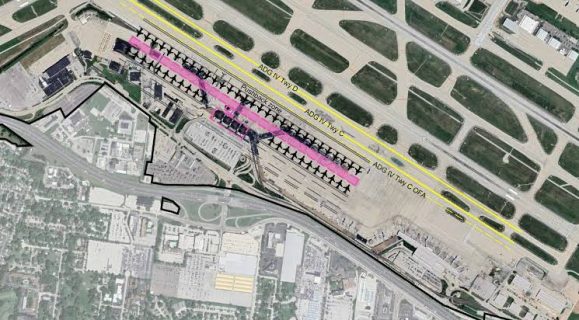
The cost pressures facing Lambert also reflect the scale of investment required to modernise major US airports. For comparison, San Francisco International Airport advanced its $2.6 billion Terminal 3 West expansion, which includes seismic retrofitting, new security checkpoints and additional wide-body aircraft gates. The project demonstrates how airport authorities are prioritising passenger capacity, safety and terminal modernisation despite the financial demands of large-scale infrastructure development.

Leave a Reply