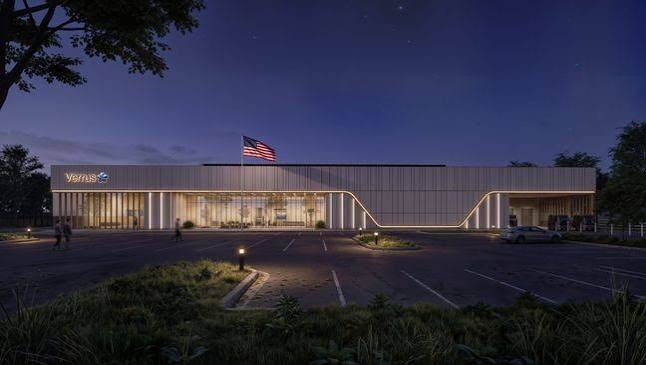
Salem officials have disclosed plans for a proposed $5.1 billion data center campus that could become the largest private investment in the city’s history, setting the stage for a major economic development debate over energy demand, environmental impacts, and public transparency.
The project, known as Oakline at Mill Creek, was publicly introduced after the city and California-based technology company Verrus concluded a 16-month confidentiality agreement that limited public discussion of the proposal. The planned campus would occupy 75 acres near Turner Road SE and Deer Park Drive SE in southeast Salem and include three data center buildings, an electrical substation, and infrastructure designed to support cloud computing, artificial intelligence, and enterprise services.
The project represents one of the largest proposed technology infrastructure developments in Oregon and has already generated significant interest from supporters who point to job creation and new tax revenue, while some residents have raised concerns about electricity use, environmental impacts, and the length of the confidentiality period.
Project Details Revealed After Confidential Discussions
On July 13, 2026, Verrus launched a public website outlining its plans for Oakline at Mill Creek. Later that day, Salem City Manager Krishna Namburi presented details of the proposal during a City Council meeting, confirming that city officials and the company had been discussing the project since March 2025 under a non-disclosure agreement.
The city said the confidentiality period allowed officials and Verrus to continue discussions while evaluating the project concept. However, limited public visibility before the announcement became one of the main issues residents and council members raised during the meeting. No formal review has begun, and Verrus has not yet submitted site plans or permit applications to the city.
Verrus said the campus is designed to support cloud computing, artificial intelligence, and enterprise services. The company said it would use technologies designed to reduce water consumption, limit emissions, and improve coordination with the local electricity grid.
Verrus Brings Silicon Valley Background to First Major Campus
Verrus operates under Sidewalk Infrastructure Partners (SIP), an infrastructure investment company that Alphabet spun out in 2019. The company’s leadership team includes executives with backgrounds at major technology companies, including Microsoft, Amazon, and Meta.
Oakline at Mill Creek would become Verrus’ first completed operational data center project. The company has positioned the development as an opportunity to introduce a different approach to large-scale computing infrastructure.
Jeff Bladen, Verrus’ head of energy, said the company created Verrus to develop data centers that address common community concerns associated with large technology campuses.
The proposed design includes several features highlighted by Verrus:
- Preservation of heritage oak trees: The project takes its name from a grove of heritage oak trees located on the property. Verrus said it plans to preserve the trees while incorporating walking paths and trail connections into the site design.
- Reduced water consumption: The company said the campus would avoid traditional evaporative cooling systems and instead use a closed-loop cooling approach designed to reduce water consumption.
- Battery-based backup power: Rather than relying on conventional diesel backup generators, Verrus said Oakline would use lithium iron phosphate battery systems as part of its onsite energy strategy.
Economic Impact and Revenue Expectations
For Salem, which has faced ongoing budget pressures, the project could provide a significant new source of revenue.
According to city projections, Oakline at Mill Creek could generate approximately $10.5 million annually, including about $9 million for the city’s General Fund and another $1.5 million for the community livability levy.
The development is also expected to create a major construction employment opportunity. Verrus estimates the project would support years of construction activity and eventually create approximately 75 permanent technology-related jobs once operational.
Electricity Demand Raises Questions About Utility Costs
One of the biggest concerns surrounding the project is the amount of electricity required to operate a large-scale computing campus.
Verrus said the campus would initially require power measured in the “dozens of megawatts,” raising questions among residents about whether increased demand could affect grid reliability or residential electricity costs.
The Oregon Public Utility Commission recently approved a separate tariff structure for large technology users. Under the new framework, Portland General Electric (PGE) will charge major data center customers higher electricity rates, a change intended to prevent residential customers from absorbing the costs associated with large new power demands.
According to projections associated with the tariff structure, the arrangement could reduce standard residential electricity rates by approximately 1.3%.
Verrus also plans to introduce its StabiliGrid technology at Oakline. The company said the system would allow the data center to coordinate with PGE during periods of high grid demand by adjusting energy consumption and using onsite battery storage.
Supporters Highlight Jobs While Residents Raise Concerns
The proposal has divided public opinion in Salem.
Labor organizations and construction workers have expressed support for the project, citing the potential for years of employment opportunities for electricians, carpenters, and other skilled trades.
Some residents and community advocates have raised concerns about the project’s potential effects, including operational noise, long-term energy demand, environmental impacts, and the limited public discussion that occurred before the announcement.
City officials said the proposal remains under early evaluation and that no final approval has been granted.
“We’re not advocating or approving it right now,” City Manager Krishna Namburi said during the council discussion. The city said it is preparing additional public information resources, including a frequently asked questions document, as discussions continue.
Permit Review and Public Hearings Ahead
Despite the public announcement, Verrus has not yet submitted its formal development and building permit applications, and no site plans have been filed.
The company is expected to file its site plan and permitting documents with Salem’s planning department in the coming weeks. Once submitted, the project would move through the city’s formal review process, including public hearings and planning commission consideration.
Residents will have additional opportunities to provide comments as the city evaluates the proposal.
For now, Oakline at Mill Creek remains at the pre-application stage, with the final design, approvals, and construction timeline dependent on the outcome of Salem’s public planning process.
Additionally, Oakline at Mill Creek is part of a broader national push to expand computing infrastructure, as technology companies race to build large-scale data centers to support growing demand. In Michigan, the Saline Township Board of Trustees recently approved a 12-year, 50% property tax abatement for a proposed $43 billion data center campus backed by Oracle and OpenAI. Like Salem’s $5.1 billion Verrus proposal, the Michigan project highlights the economic opportunities and community concerns surrounding next-generation computing facilities, including job creation, tax incentives, energy demand, and the long-term impact of hosting some of the world’s largest computing operations.
Project Factsheet: Oakline at Mill Creek
Project Name: Oakline at Mill Creek
Developer: Verrus, an operating company of Sidewalk Infrastructure Partners
Location: Mill Creek Corporate Center, Southeast Salem, Oregon
Investment: $5.1 billion
Site Area: 75 acres near Turner Road SE and Deer Park Drive SE
Campus Plan: Three data center buildings and an electrical utility substation
Primary Use: Designed to support cloud computing, artificial intelligence, and enterprise services
Projected City Revenue: Approximately $10.5 million annually
Employment: Multi-year construction activity and approximately 75 permanent technology jobs
Cooling System: Closed-loop cooling design intended to reduce water consumption
Backup Energy: Lithium iron phosphate battery-based microgrid system
Current Status: Pre-application stage; no site plans or permit applications submitted, and no formal review underway





Leave a Reply