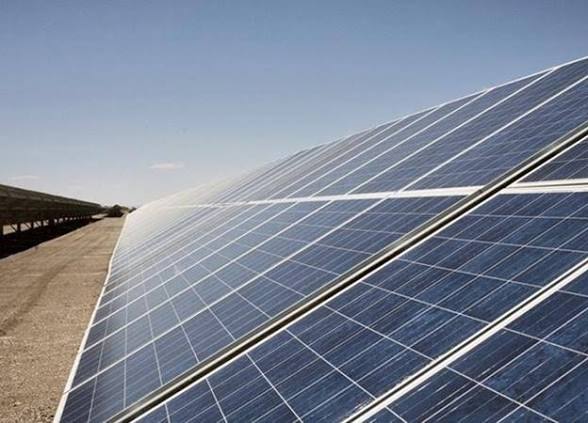
Elements Green has secured development consent for its 800 MW Great North Road Solar and Biodiversity Park in Nottinghamshire, England. The project includes solar power, battery storage and grid connection infrastructure. The approval marks a major milestone for one of the UK’s largest proposed solar developments. It also plans to expand domestic renewable electricity generation.
The project is planned northwest of Newark-on-Trent and will connect to the national electricity transmission network at Staythorpe substation. According to Elements Green, the development could generate enough electricity to meet the annual power needs of approximately 400,000 homes. The scheme combines large-scale photovoltaic generation with battery storage, landscape improvements and biodiversity measures.
The UK government announced the development consent decision on October 27, 2026, following examination of the application by the Planning Inspectorate. The application was submitted by Elements Green Trent Limited in June 2025 and accepted for examination in July that year. The Examining Authority completed its examination and submitted recommendations to the Secretary of State in July 2026 before the final decision was issued.
The approval allows the project to move towards the next stages of development, including detailed design, financing, procurement and construction planning. Although Elements Green previously indicated a construction start in spring 2027, a final construction programme and confirmed start date have not yet been published in the latest approval announcement.
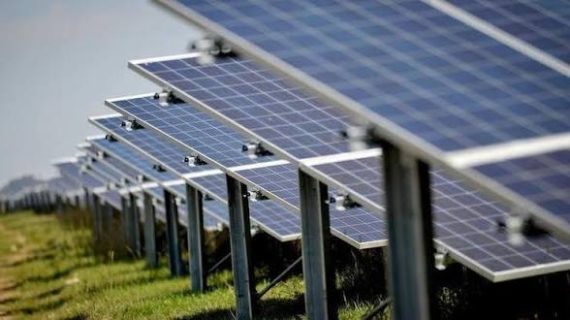
Great North Road Park Project Solar Generation and Battery Storage Capacity
The Great North Road scheme will have approximately 1,100 MWp of installed solar capacity, with an expected grid export capacity of 800 MW. MWp measures the panels’ peak output under standard test conditions, while export capacity indicates how much electricity the project can deliver to the grid.
The solar installation will require extensive site preparation, panel mounting structures, photovoltaic modules, electrical cabling, inverters, transformers and associated grid infrastructure. Civil engineering works are expected to include access routes, equipment foundations, drainage and construction areas, with the final layout determined by detailed design and consent requirements.
Great North Road Park Project also includes a co-located battery energy storage system (BESS). Elements Green’s describes a proposed storage system of up to 440MW with 1,760 megawatt-hours (MWh) of energy capacity. This equates to four hours of storage at the stated maximum power output, assuming the full rated capacity is available.
Battery storage can absorb electricity during periods of high solar output and release it when generation falls or demand rises. It can also provide flexibility to the electricity system, although actual operation will depend on several factors. Some of these include , grid requirements, market conditions, system availability and connection arrangements.
The BESS will require battery units, power conversion systems, control equipment, thermal management, fire detection and protection, and electrical connection infrastructure. The final configuration, equipment suppliers and construction contractors for the Great North Road battery installation have however confirmed .
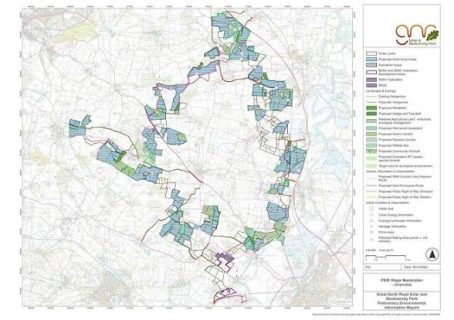
Great North Road Park Project Grid Connection and Construction Infrastructure
The project will connect to the national grid at Staythorpe substation near Newark-on-Trent. This existing electricity hub provides a clear export point for renewable power. However, connection works and commissioning must be coordinated with the wider electricity network.
The grid connection will require electrical infrastructure designed to transfer power from the solar arrays and battery system to the transmission network. This may include substations, transformers, underground or overhead cabling and protection and control systems, in line with the approved design.
Construction logistics will be important because the development covers a large rural area. The local authority’s project information describes proposals across approximately 2,800 hectares of land northwest of Newark. The final arrangement of panels, access routes, battery installations, electrical infrastructure and environmental buffers will be governed by the approved development and detailed design.
The construction programme will also need to coordinate earthworks, equipment deliveries, installation teams and grid connection activities.
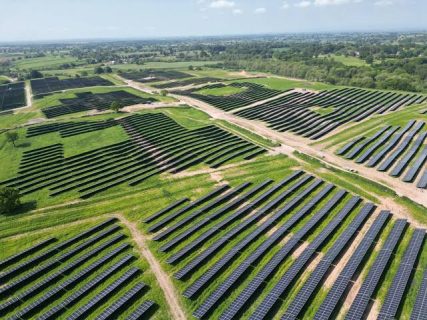
Biodiversity and Landscape Improvements
The development’s name reflects its proposed environmental and public-access measures alongside electricity generation. Elements Green says the scheme includes planting approximately 64,500 trees, establishing 50 kilometres of new hedgerows and creating new habitats to support biodiversity. The proposals also include 28 new permissive routes, providing nearly 35 kilometres of improved access for walkers and horse riders.
The developer has also described plans for a community benefit scheme that could provide up to £1 million annually in locally managed funding over the project’s operational life. The final arrangements and delivery of these commitments depend on the approved scheme and its implementation.
Agricultural use is another feature of the proposed site management approach. Earlier project information indicated that sheep grazing could be used to manage vegetation beneath and around the solar panels, with nearly 4,000 sheep anticipated. This approach can help maintain grassland while allowing electricity generation and some agricultural activity to take place on the same land.
Solar Power Portal
The project has involved consultation with environmental and community stakeholders. Elements Green has identified collaboration with organisations including the Royal Society for the Protection of Birds (RSPB), Sherwood Forest Trust, Nottinghamshire Wildlife Trust and Trent Rivers Trust during the development process. The effectiveness of the biodiversity measures will depend on their implementation, management and monitoring over the project’s operating life.
Planning Approval and Project Timeline
Great North Road is classified as a Nationally Significant Infrastructure Project (NSIP) because of its scale. Such projects are examined under the UK’s planning framework, with a Development Consent Order (DCO) required for development to proceed. The Planning Inspectorate examines the application and makes a recommendation to the relevant Secretary of State, who decides whether to grant consent.
Elements Green submitted its application in June 2025, and it was accepted for examination the following month. The examination phase concluded on April 28, 2026.
The Examining Authority subsequently submitted its recommendation in July. Development consent was announced on October 27, 2026.
The consent decision is a significant planning milestone, but it does not mean the solar farm is already generating electricity or that every construction contract has been awarded. Detailed engineering, procurement, financing, construction mobilisation and grid connection arrangements still need to be progressed.
Construction is anticipated to begin in spring 2027. However, the latest government decision announcement did not specify a confirmed construction start or completion date. The commissioning schedule will depend on the developer’s implementation programme and delivery of the associated infrastructure.
Investment, Energy Security and Regional Impact
A final capital expenditure figure for the Great North Road Solar and Biodiversity Park was not identified in the latest project announcement. The cost will depend on the final design, solar and battery equipment selection, grid connection works, financing terms and construction programme.
For investors and contractors, the scheme represents a substantial opportunity across renewable energy engineering, electrical installation, civil construction, logistics and long-term maintenance. It may also generate work for suppliers of solar modules, inverters, mounting systems, battery equipment, transformers and grid control technology.
The project could contribute to the UK’s renewable electricity supply by adding large-scale solar generation and storage capacity. This will be alongside others such as the Helios Renewable Energy Project in North Yorkshire which is currently in its pre-construction phase.
The battery system is particularly relevant as the electricity network accommodates more variable renewable generation. Batteries store electricity and release it when needed. Therefore, they improve grid flexibility and help maximise available power, depending on operating conditions.
The development will also need to manage land use, environmental protection and community concerns throughout construction and operation. Its long-term contribution will depend on delivering the approved infrastructure, connecting it to the grid and implementing the promised biodiversity and public-access measures.
With development consent now granted, Great North Road has advanced from the planning examination stage towards implementation.
Great North Road Solar and Biodiversity Park Project Fact Sheet
Location: Northwest of Newark-on-Trent, Nottinghamshire, England, United Kingdom
Developer and applicant: Elements Green Trent Limited
Parent company: Elements Green Limited
Project type: Utility-scale solar photovoltaic farm with battery energy storage and grid connection infrastructure
Solar export capacity: 800MW
Indicative installed solar capacity: Approximately 1,100MWp
Proposed battery storage capacity: Up to 440MW / 1,760MWh
Site area: Approximately 2,800 hectares
Grid connection: Staythorpe substation
Estimated electricity equivalent: Annual electricity needs of approximately 400,000 homes
Biodiversity measures: Approximately 64,500 trees, 50km of new hedgerows and additional habitat creation
Public access: 28 proposed permissive routes providing nearly 35km of improved access
Community benefit proposal: Up to £1 million annually through a locally managed scheme
Planning application submitted: June 2025
Development consent: Granted October 27, 2026
Construction start: Previously indicated as spring 2027; not confirmed in the latest approval
Current status: Development consent granted
Principal Companies and Project Team
Elements Green: Renewable energy developer responsible for advancing the solar and storage scheme.
Elements Green Trent Limited: Project applicant and development company responsible for the Great North Road application.
Planning Inspectorate: Examined the Development Consent Order application and submitted recommendations to the Secretary of State.
Department for Energy Security and Net Zero (DESNZ): Government department responsible for the development consent decision.
Staythorpe substation: Associated with the proposed grid connection; the final project-specific delivery responsibilities should be confirmed from the approved connection arrangements.
Royal Society for the Protection of Birds (RSPB): Identified by Elements Green as a stakeholder involved in environmental consultation.
Sherwood Forest Trust: Identified as an environmental stakeholder during project development.
Nottinghamshire Wildlife Trust: Identified as a stakeholder in the biodiversity consultation process.
Trent Rivers Trust: Identified as a stakeholder in the environmental consultation process.




Leave a Reply