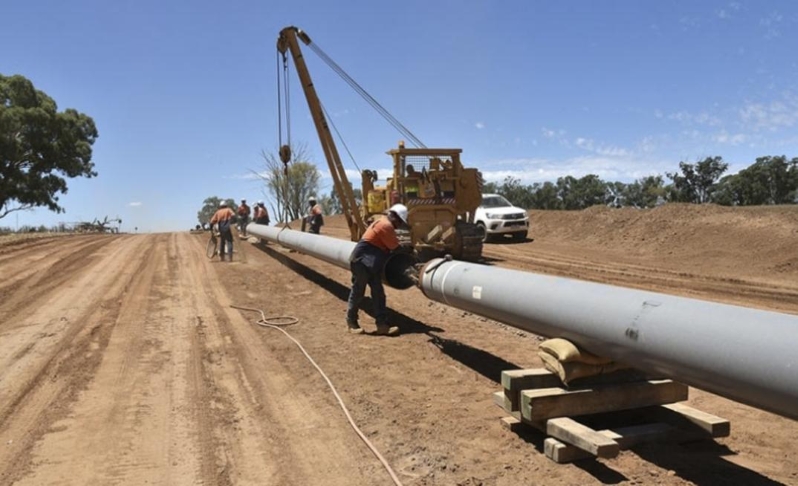
Australia’s APA Group has committed A$700 million to the construction and commissioning of the Bulloo Interlink Pipeline (BIL), a major natural gas transmission infrastructure project designed to increase gas transportation capacity between Queensland and southern Australian markets.
The investment follows the company’s final investment decision (FID) announced on October 22, 2026, marking a significant step towards advancing the proposed underground high-pressure gas pipeline. The development is expected to strengthen the country’s east coast gas transmission network by providing a more direct transportation route for gas from northern production regions to demand centers in New South Wales, Victoria and other southern markets.
Additionally, the project forms Stage 3B of APA Group’s broader East Coast Gas Grid (ECGG) Expansion Plan. The plan is intended to address anticipated constraints on the movement of natural gas from northern Australia to southern markets.
The A$700 million construction commitment also comes in addition to A$220 million previously approved by APA in February 2026. The cost approved for early works, including engineering, line pipe procurement, environmental approvals and other development activities.
The investment is also supported by a five-year gas transportation and storage agreement with Origin Energy. This provided APA with a long-term commercial commitment for capacity across its east coast pipeline network.
Construction is scheduled to start in early 2027, subject to relevant approvals, with commercial operations targeted for winter 2029.
Bulloo Interlink Pipeline Project Scope and Infrastructure
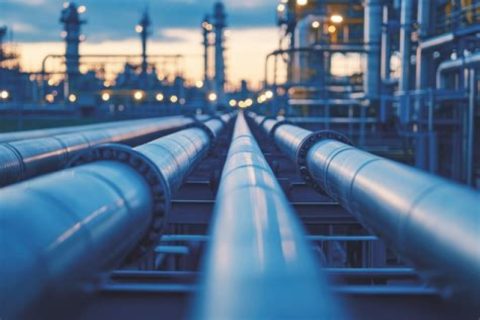
The Bulloo Interlink Pipeline is planned as a 340-kilometer underground, high-pressure steel natural gas transmission pipeline. It is designed to connect APA’s South West Queensland Pipeline (SWQP) to its Moomba to Wilton Pipeline in New South Wales.
The infrastructure will establish a more direct transportation corridor between Queensland’s gas-producing regions and the southern Australian gas network. This is planned to reduce the distance along the north-to-south transportation corridor by approximately 240 kilometers.
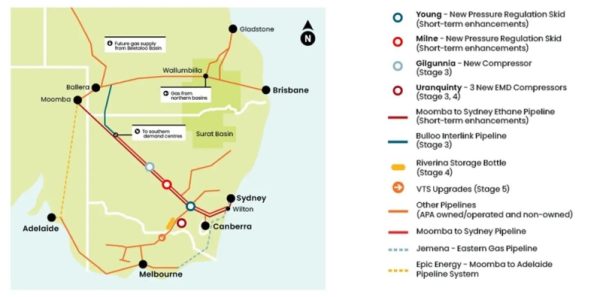
With a maximum transportation capacity of 800 terajoules (TJ) of gas per day, the pipeline is also expected to provide additional capacity for moving gas southwards. This is as production from established offshore fields in southern Australia declines.
The project will also traverse the Bulloo Shire area in southwestern Queensland before extending into the remote Far West region of New South Wales. Nearby communities include Thargomindah, Eromanga and Quilpie in Queensland, as well as Tibooburra and Wilcannia in New South Wales.
Supporting infrastructure will include pipeline connection facilities, temperature control equipment and cathodic protection units. The project will also include mainline valves, access tracks and associated operational installations.
Additionally, the pipeline will be constructed and operated in accordance with Australian Standard AS 2885. Standard AS 2885 governs the design, construction and operation of petroleum pipelines.
The development is also intended to provide a long-term transportation asset with an anticipated design life of approximately 40 years.
A$700 Million Investment and Origin Energy Agreement
The A$700 million investment represents the main construction and commissioning commitment for the Bulloo Interlink Pipeline.
APA’s earlier A$220 million allocation in February 2026 supported preparatory activities and procurement of long-lead items. This allowed the company to progress engineering and development work ahead of the final investment decision.
The latest commitment is supported by a five-year, take-or-pay, inflation-linked gas transportation and storage agreement with Origin Energy.
Under the agreement, Origin will secure transportation and storage services across several key APA assets. This also included the South West Queensland Pipeline, Moomba to Sydney Pipeline, Roma to Brisbane Pipeline and the Bulloo Interlink Pipeline once commissioned.
The new services will commence on January 1, 2028, following the conclusion of Origin’s existing arrangements.
For APA, the agreement provides a firm revenue commitment. It also strengthens the commercial case for expanding its east coast gas transmission network. The company also expects the investment to deliver returns above its internal investment hurdle rates and plans to fund it through existing balance sheet capacity.
The pipeline also forms part of APA’s approximately A$3.5 billion organic growth investment pipeline.
Importantly, APA expects the new infrastructure to improve transportation efficiency and reduce long-term sustaining capital expenditure requirements on the existing Moomba to Sydney Pipeline.
Construction Timeline and Regulatory Approvals
The Bulloo Interlink Pipeline has progressed through several development and regulatory milestones. This includes environmental assessments and the Australian Energy Regulator’s green-fields incentive determination.
The Australian Energy Regulator (AER) also issued its final green-fields incentive determination for the project in December 2025. The determination provides a 10-year period during which the pipeline will operate as a non-scheme pipeline. This is subject to the applicable regulatory framework.
Additionally, in July 2026, APA announced that the Commonwealth environmental assessment process for the Queensland and New South Wales sections of the pipeline was underway.
The project requires several additional approvals, including environmental authorizations and pipeline licenses in Queensland, as well as State Significant Infrastructure approval and a pipeline license in New South Wales. Federal environmental approval and relevant native title agreements are also part of the regulatory process.
Following the October 2026 FID, APA is targeting construction commencement in early 2027, subject to the receipt of relevant approvals.
Commercial operations are now targeted for winter 2029. This is the latest schedule provided following the investment decision, replacing earlier project information that anticipated completion during 2028.
Role in Australia’s East Coast Gas Supply and Energy Security
The Bulloo Interlink Pipeline is being developed against a backdrop of increasing pressure on Australia’s east coast gas supply system. This is particular to the southern states where production from mature offshore fields is expected to decline.
Furthermore, Victoria and New South Wales have traditionally relied on a combination of domestic gas production, storage facilities and interstate pipeline transportation to meet residential, commercial and industrial demand.
However, declining production from the Bass Strait and increasing competition for available gas supplies have raised concerns about future market shortfalls, especially during periods of high winter consumption.
The Australian Energy Market Operator (AEMO) has also identified the need for additional gas production and transportation infrastructure to maintain supply reliability. Its 2026 Gas Statement of Opportunities also highlights the importance of using northern gas resources and expanding pipeline infrastructure to address projected supply constraints.
The Bulloo Interlink Pipeline is intended to address one part of this challenge by increasing the volume of gas that can be transported from Queensland and potentially the Northern Territory towards southern markets.
According to APA, its broader Stage 3 expansion program is expected to increase north-to-south transportation capacity by approximately 30% when completed. Once all three stages of the wider expansion program are delivered, APA expects to have increased this capacity by more than 50% compared with 2023 levels.
The pipeline will also complement the A$1 billion Golden Beach Gas Energy Project in Victoria. Golden Beach is expected to increase Victoria’s gas storage capacity by approximately 70%. It is also expected to address seasonal demand fluctuations and improve winter gas supply reliability in the wider Australian market.
What Next for the Bulloo Interlink Pipeline?
Following the October 2026 final investment decision, APA’s immediate priority is to complete the remaining regulatory, engineering and procurement activities ahead of the planned construction commencement in early 2027.
Several important activities will determine the project’s progress.
- Completion of environmental approvals
APA must secure the outstanding environmental approvals for the Queensland and New South Wales sections. The Queensland environmental authority application also includes supporting assessments covering water resources, terrestrial and aquatic ecology, air quality, noise, waste management, traffic impacts and greenhouse gas emissions.
In New South Wales, the project is progressing through the State Significant Infrastructure assessment process. The Environmental Impact Statement (EIS) still to be prepared.
- Detailed engineering and procurement
The developer will also continue detailed pipeline design, corridor assessments, procurement of construction materials and engagement with landholders and Traditional Owners.
These activities will be important in preparing the route for construction and addressing potential environmental and land access constraints.
- Construction start in 2027
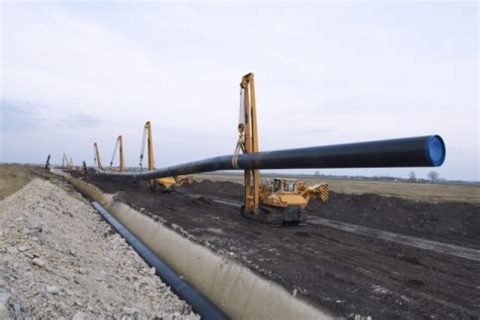
APA is targeting construction commencement in early 2027, subject to the relevant approvals. The project will involve pipeline corridor preparation, trench excavation, pipe welding, installation, testing and commissioning.
- Commissioning and commercial operations
The current target is to bring the pipeline into commercial operation in winter 2029. Once commissioned, it will provide up to 800 TJ/day of additional north-to-south transportation capacity.
The five-year Origin Energy agreement will also become an important component of the project’s commercial operations, with new contracted services scheduled to commence from January 1, 2028, under the broader east coast gas transportation arrangements.
Other Projects Under APA’s East Coast Gas Grid Expansion Plan
The Bulloo Interlink Pipeline is part of a wider infrastructure investment program intended to strengthen APA’s east coast gas transmission network.
One of the other major components is Stage 3A. This stage involves installing three new compressors to increase transportation capacity across existing pipeline infrastructure.
APA also committed A$260 million to Stage 3A in February 2026. The committed works are expected to deliver additional north-to-south capacity by winter 2028.
Unlike the Bulloo Interlink Pipeline, which establishes a new transmission corridor, Stage 3A focuses on expanding the capabilities of existing infrastructure.
The two developments are complementary: the compressor investments will improve the movement of gas through existing pipelines, while Bulloo Interlink will provide an additional route for transporting gas from Queensland into the southern network.
Together, these investments form part of APA’s broader strategy to expand its gas transmission capacity in response to changing supply and demand patterns across Australia’s east coast.
In Summary
APA Group’s A$700 million commitment to the Bulloo Interlink Pipeline is a major investment in Australia’s east coast gas transportation infrastructure.
By establishing a new 340-kilometre transmission corridor with a maximum capacity of 800 TJ/day, the project is expected to improve access to northern gas resources. This will also strengthen supply flexibility for southern markets.
The final investment decision and five-year agreement with Origin Energy have also provided important financial and commercial backing for the development.
The next major milestones will be the completion of environmental approvals and construction start in early 2027. This will be followed by project commissioning targeted for winter 2029.
As Australia navigates declining production from established gas fields and growing demand for reliable energy supplies, the Bulloo Interlink Pipeline is expected to become an important component of the country’s future gas transportation network.
Project Fact Sheet for Bulloo Interlink Natural Gas Transmission Pipeline (BIL)
Location: Southwestern Queensland and Far West New South Wales
Project developer and owner: APA Group (100% ownership)
Project company: APA Bulloo Interlink Pipeline Pty Ltd
Estimated cost: A$700 million
Additional early works investment: A$220 million
Total project cost: A$920 million
Pipeline length: Approximately 340 kilometers
Maximum transportation capacity: 800 TJ/day
Pipeline type: Underground, high-pressure steel natural gas pipeline
Starting connection: South West Queensland Pipeline
Ending connection: Moomba to Wilton Pipeline
Key geographical areas: Bulloo Shire, Queensland, and Unincorporated Far West, NSW
Nearby communities: Thargomindah, Eromanga, Quilpie, Tibooburra and Wilcannia
Design life: 40 years
Final investment decision (FID): October 22, 2026
Construction start: Early 2027
Target commercial operation: Winter 2029
Key commercial partner: Origin Energy
Offtake/transportation arrangement: Five-year take-or-pay gas transportation and storage agreement
Regulatory status: Environmental and state infrastructure approvals progressing
Wider program: Stage 3B of APA’s East Coast Gas Grid Expansion Plan
Expected capacity increase: Approximately 30% additional north-to-south transportation capacity from the wider Stage 3 expansion
Who is Involved in the Bulloo Interlink Natural Gas Transmission Pipeline (BIL) Project in Australia
APA Group – Project developer, owner, investor and pipeline operator.
APA Bulloo Interlink Pipeline Pty Ltd – Project company and development proponent.
Origin Energy – Key commercial partner under the five-year gas transportation and storage agreement.
Australian Energy Regulator (AER) – Regulator responsible for the project’s green-fields incentive determination.
Queensland Department of the Environment, Tourism, Science and Innovation (DETSI) – Environmental approval authority for the Queensland section.
NSW Department of Planning, Housing and Infrastructure – State Significant Infrastructure assessment and planning authority.
Australian Government Department of Climate Change, Energy, the Environment and Water (DCCEEW) – Federal environmental assessment authority.



Leave a Reply