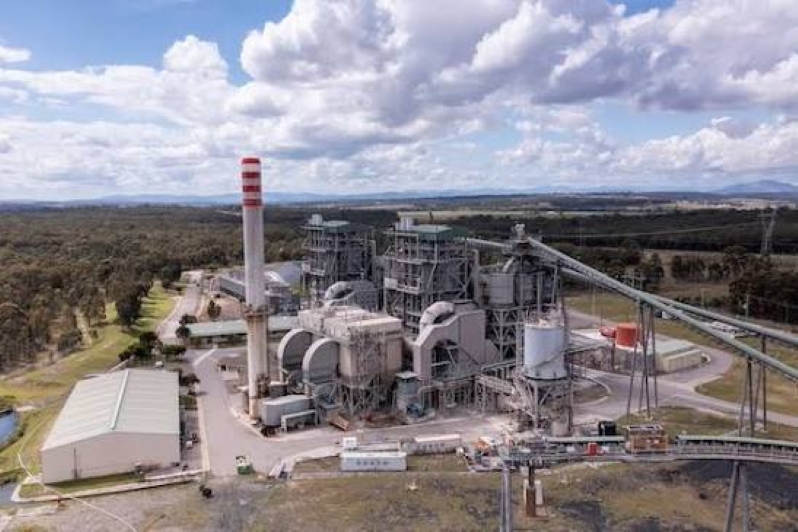
The proposed Hunter Valley Biomass Power Project in New South Wales, Australia, has suffered another major setback after the NSW Land and Environment Court upheld the rejection of plans to convert the former Redbank coal-fired power station into a 151 MW biomass electricity generation facility.
The ruling, delivered on November 26, 2026, dismissed an appeal by project developer Verdant Earth Technologies against the NSW Independent Planning Commission’s (IPC) decision to refuse the development.
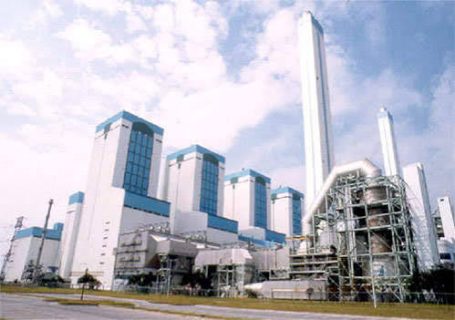
The project was intended to transform the former Redbank Power Station near Singleton into a major bioenergy facility, making it Australia’s largest modern biomass electricity generator.
Verdant Earth had proposed using approximately 700,000 tons of dry biomass annually to fuel the plant. The proposed feedstock included invasive native species cleared from agricultural land in western New South Wales, alongside purpose-grown crops.
The developer argued that the project would contribute to Australia’s energy security. They also argued that is would provide an alternative use for vegetation removed through land management activities.
However, environmental concerns became central to the planning dispute. The IPC rejected the proposal in 2025, acknowledging its potential contribution to electricity reliability and regional employment but concluding that the environmental impacts outweighed the benefits.
The court’s latest decision maintains that refusal, leaving the proposed conversion without the necessary planning approval.
Redbank Power Station Conversion and Hunter Valley Biomass Power Project Investment
Verdant Earth Technologies has been working to redevelop the former coal-fired power station since acquiring the site in 2018.
The proposed conversion was part of a broader effort to repurpose existing energy infrastructure for renewable electricity generation. Rather than developing an entirely new power station, the company intended to use the existing Redbank site and its associated infrastructure.
The project was expected to require capital investment exceeding A$70 million according to figures presented during the planning process, although the developer has subsequently described the value of the facility and its potential redevelopment at approximately A$800 million.
At its proposed 151 MW capacity, the biomass generator was expected to produce enough electricity to supply approximately 200,000 homes.
The development was also projected to generate around 330 construction jobs and 60 permanent operational positions.
Its proposed fuel strategy, however, became a major point of contention. Environmental groups argued that demand for invasive native vegetation could create incentives for additional land clearing, potentially affecting wildlife habitats and threatened species.
Verdant Earth maintained that the vegetation would largely come from government-approved clearing programs and that changes had been made to reduce reliance on invasive native species.
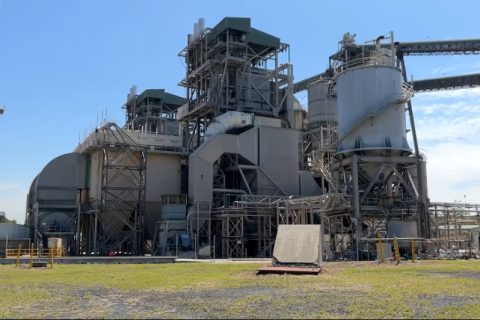
Data Center Development Also Faces Uncertainty
The court decision could have implications beyond the proposed Hunter Valley Biomass Power Project, particularly for a separate data center development being explored on adjoining land.
Verdant Earth had entered discussions with Voltic DC, managed by APDC, over a potential data center development that could benefit from shared infrastructure and access to electricity generated at the Redbank site.
The proposed arrangement was expected to explore opportunities for shared site infrastructure and potential electricity supply following the power station’s restart.
However, the rejection of the Hunter Valley Biomass Power Project proposal has complicated that arrangement.
Verdant Earth CEO Richard Poole indicated that the company would need to reassess its options, including discussions with its legal team.
Alternative possibilities could include a data center development supported by a different energy configuration or a battery storage facility.
What Next for the Redbank Biomass Power Station Project?
The immediate challenge for Verdant Earth Technologies is determining whether there are further legal avenues available following the court’s decision and whether the original biomass development can be substantially redesigned.
The developer has indicated that it is not abandoning its ambitions for the site.
However, the court ruling leaves the proposed 151 MW biomass conversion without planning approval, creating uncertainty over the future of the existing power station and its proposed relationship with the adjoining data center.
The outcome also raises broader questions about the role of biomass in Australia’s energy transition, particularly where fuel sourcing involves the removal of native vegetation.
For the Hunter Valley Biomass Power Project, the next major development to watch is whether Verdant Earth can establish an alternative redevelopment strategy that satisfies planning requirements. This is while retaining the commercial potential of the Redbank industrial site. If developed, it would join others such as the Blind Creek Solar Farm and Battery Project in supporting the NSW electricity grid.

Leave a Reply