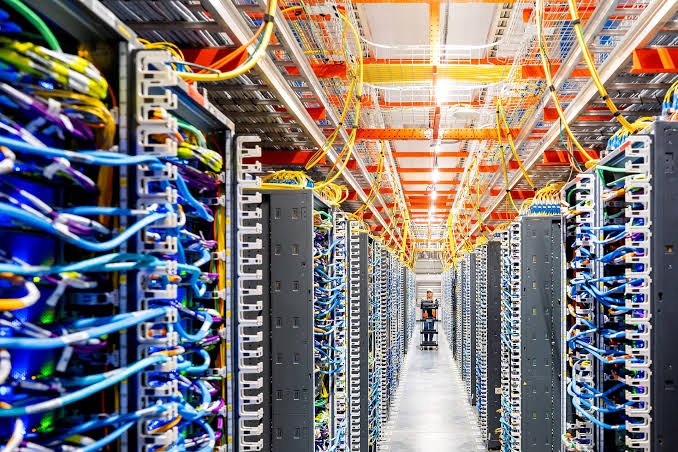
Amazon is preparing to build its first data centers in Washington state, with plans for two campuses in Eastern Washington facing growing scrutiny over environmental impacts, energy demand and local development rules.
The proposals would establish a new data center presence in Amazon’s home state, where the company already operates an extensive data center network in neighboring Oregon. However, the two Washington developments are advancing under different circumstances: Walla Walla County is reviewing a proposed 300-megawatt campus, while West Richland officials have adopted new restrictions as residents demand a temporary halt to data center development.
The developments highlight a broader challenge facing data center developers: securing local approval while addressing concerns about the resources required to support increasingly power-intensive computing infrastructure.
Walla Walla campus scales back from original proposal
Amazon’s proposed Attalia Data Center Campus would occupy 134 acres at Wallula Gap Business Park, where the company plans to construct three data center buildings, each measuring approximately 220,000 square feet.
The proposed campus would have a power capacity of 300 megawatts and include a security building, an industrial water facility and a site for a future substation.
The proposal represents a substantial reduction from the development originally envisioned for the property. Earlier plans described a $4.8 billion campus with 16 data center buildings across four phases. Amazon’s latest plans instead identify three data centers on a portion of the property.
The change raises questions about the project’s revised investment, power requirements and development timeline. Amazon has not publicly established how the smaller proposal affects the original financial projections.
Walla Walla County is reviewing the campus under Washington’s State Environmental Policy Act. The initial public-comment period closed October 12, drawing 706 submissions. An analysis by the Walla Walla Union-Bulletin found that only 23 submissions supported the project, while many others called for more extensive environmental review.
The comments reflect concerns about the proposed development’s location near the Columbia River and its potential effects on water resources, energy demand and air quality. Some commenters called for a full Environmental Impact Statement before the county considers approval.
The county’s environmental review remains an important step before the project can advance through the approval process.
West Richland adopts restrictions as residents press for a pause
Amazon’s second proposed campus would occupy approximately 1,000 acres in West Richland, near the Tri-Cities. The company has confirmed plans for an initial three data center buildings, with the potential for 21 buildings at full build-out.
Amazon says the completed campus could support more than 1,000 full-time jobs. The company has not yet submitted a development application, leaving important details about the campus’s power demand, water consumption and construction schedule unresolved.
The site is close to approximately 200 homes, prompting residents to question the potential effects of noise, lighting, air emissions, traffic and utility costs.
On November 3, the West Richland City Council adopted interim development regulations for data centers. The rules prohibit data centers in light industrial zones, ban cryptocurrency mining in all zoning districts and remove an existing noise exemption.
Council members also rejected a proposed six-month moratorium after a 3-3 vote, leaving the city without the broader pause sought by residents.
Amazon plans to hold a public open house November 19, where the company says residents can question experts about the proposed development’s water and energy use, job creation, noise and environmental impacts.
Amazon’s assurances face questions about energy and water
Amazon says it will work with local utilities to ensure its data centers do not increase electricity bills for nearby residents and businesses. The company also says it will pay 100% of its property taxes at both Washington locations rather than seek tax breaks.
Those commitments are important to the local debate, but they do not resolve every question about the campuses’ resource requirements.
Amazon’s global renewable-energy matching figures do not establish that either Washington campus will operate on renewable electricity around the clock. The company also needs to explain how the proposed facilities will obtain electricity, how much new grid infrastructure they will require and how those arrangements will protect existing customers from additional costs.
Water use presents a similar challenge. Amazon’s reported data center water-efficiency figures do not include water consumed in electricity generation, leaving the full water footprint of the campuses unclear.
The company has also pointed to its broader investments in nuclear energy, including a proposed small modular reactor project near the Tri-Cities. However, that project is not expected to come online until the 2030s, and Amazon has not established that it will directly supply electricity to either Washington campus.
A wider test for America’s AI infrastructure expansion
Amazon’s Washington proposals are part of a much larger wave of investment in computing infrastructure across the United States. However, the company’s experience is not isolated.
In Alabama, Lambda has announced a $33.1 billion investment in the proposed Red Clay Technology Center Campus in Lowndes County. The project is expected to create more than 1,000 construction jobs and support over 225 permanent positions, but it is also facing a lawsuit challenging the county’s approval process and tax incentives.
The dispute surrounding the Alabama development illustrates how questions about public accountability, electricity infrastructure and community benefits are becoming central to large-scale data center projects.
For Amazon, the immediate challenges are different at each Washington location. Walla Walla County must complete its environmental review, while West Richland continues developing rules governing data center construction.
The November 19 open house will give residents an opportunity to question Amazon about the West Richland proposal. Meanwhile, the environmental review in Walla Walla will help determine whether the company can move its smaller campus toward approval.
Both developments will test whether Amazon can translate its promises on energy, water, employment and tax contributions into projects that meet the expectations of the communities hosting them.
Factsheet: Amazon Attalia Data Center Campus
- Location: Wallula Gap Business Park, Walla Walla County, Washington
- Site area: Approximately 134 acres
- Planned buildings: Three data centers
- Building size: Approximately 220,000 square feet each
- Planned power capacity: 300 MW
- Development status: Environmental review underway
Amazon Tri-Cities Data Center Campus
- Location: West Richland, Washington
- Site area: Approximately 1,000 acres
- Planned buildings: Three initially, with potential for 21
- Employment: More than 1,000 full-time jobs projected at full build-out
- Development status: No development application submitted; interim regulations adopted November 3
- Community open house: November 19, 2026

Leave a Reply