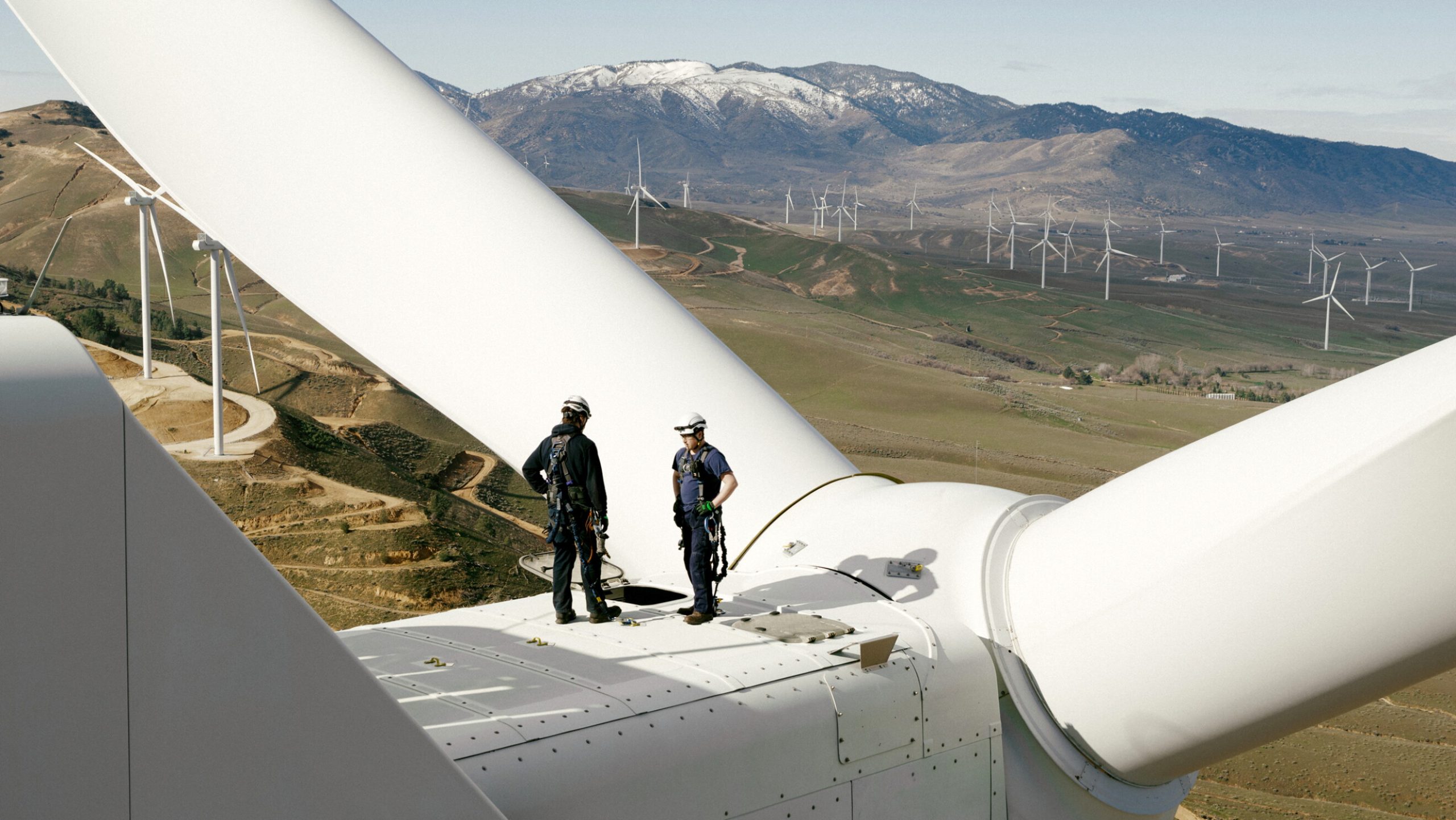
Amazon renewable energy investment in India will reach an additional US$7 billion by 2030, expanding the company’s clean power portfolio as the country accelerates renewable energy infrastructure development.
The commitment builds on US$4 billion already contracted for renewable energy projects, bringing Amazon’s combined planned and contracted investment in India’s clean energy sector to US$11 billion.
The company also announced four new utility-scale wind and solar projects with a combined capacity of 934MW across Karnataka, Madhya Pradesh and Rajasthan.
The investment adds to growing renewable energy infrastructure development worldwide, including the $1.5 billion Hunter Renewable Energy Project, where AirTrunk and European Energy Australia are advancing plans for more than 1GW of renewable generation and storage capacity in New South Wales.
Similarly, Amazon’s latest commitment highlights how growing electricity demand from major technology companies is driving investment in large-scale power generation and supporting infrastructure. Amazon outlined the Indian investment programme in its official renewable energy announcement. 
Amazon renewable energy expansion includes four new projects
The four newly announced projects will add wind, solar and hybrid generation capacity to Amazon’s contracted renewable energy portfolio in India.
The largest is a 234MW wind farm in Karnataka, which Amazon describes as its largest contracted wind project in Asia to date. The company has also secured a 200MW combined wind and solar project in the same state. Together, the two Karnataka developments will provide 434MW of contracted renewable energy capacity.
The other projects include a 300MW solar installation in Madhya Pradesh and a 200MW solar project in Rajasthan. Renewable energy developers Sunsure Energy, Waaree and ReNew are associated with the four projects. Sunsure Energy is developing the two Karnataka projects, while Waaree and ReNew are associated with the Madhya Pradesh and Rajasthan solar developments, respectively.
Amazon secured the electricity from these projects through Power Purchase Agreements (PPAs). These long-term agreements allow the company to purchase electricity generated by independent renewable energy facilities. They also provide developers with an established electricity buyer, supporting project financing and development.
Importantly, the four projects form part of the US$4 billion in renewable energy investments Amazon has already contracted in India. They are not an allocation of the additional US$7 billion announced for deployment by 2030. The company has not disclosed a project-by-project breakdown of the new investment commitment.
Once operational, Amazon’s contracted renewable energy portfolio in India will exceed 2GW of capacity. The company estimates that this could generate electricity equivalent to the annual requirements of more than 3.5 million Indian households.
Amazon renewable energy investment supports India’s clean power ambitions
The additional commitment will contribute to India’s efforts to expand renewable electricity generation and strengthen energy security.
India aims to achieve 500GW of non-fossil-fuel power capacity by 2030. Consequently, investments from large corporate electricity buyers could help accelerate the development of new generation facilities and supporting grid infrastructure.
Amazon’s existing Indian portfolio comprises 57 renewable energy projects. These include 14 utility-scale wind and solar developments that supply electricity to the grid and 43 on-site solar installations across its facilities. The expansion will support the company’s electricity requirements while adding renewable generation capacity to India’s wider energy system.
The investment also supports Amazon’s global climate strategy. The company has announced a target to reduce the carbon intensity of electricity powering its operations by 65% by 2030, against a 2019 baseline. It also maintains its ambition to achieve net-zero carbon emissions across its operations by 2040.
Construction opportunities and project delivery requirements
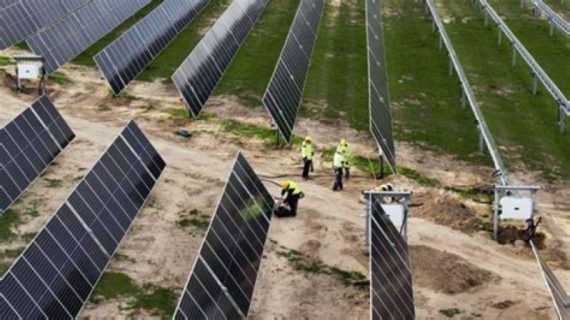
The developments will require substantial engineering, procurement and construction activities. Solar facilities generally require site preparation, access roads, drainage systems, mounting structures, photovoltaic modules, inverters and electrical connections.
Wind developments require turbine foundations, crane platforms, access roads, substations and transmission infrastructure.
The hybrid project in Karnataka will also require coordination between wind and solar generation systems. Developers must integrate the different technologies and ensure that electricity reaches the grid through suitable transmission infrastructure.
These projects could create opportunities for civil engineering contractors, electrical installation companies, renewable energy equipment manufacturers and infrastructure consultants.
However, Amazon has not disclosed consolidated construction employment figures or permanent operational job estimates for the four developments.
Project delivery will also depend on land availability, environmental approvals, grid connectivity, equipment procurement and financing arrangements. Developers must coordinate these requirements to bring the facilities into operation and deliver electricity under their respective power purchase agreements.
Amazon’s additional US$7 billion commitment therefore represents a significant opportunity for India’s renewable energy construction sector.
By expanding its contracted clean power portfolio and supporting additional wind and solar development, the company is contributing to the infrastructure needed to meet rising electricity demand. The investment also reinforces the growing role of major technology companies in financing renewable energy development and strengthening electricity supply.
Project Fact Sheet
Name: Amazon India Renewable Energy Expansion.
Type: Utility-Scale Renewable Energy Development and Corporate Clean Power Procurement, covering wind, solar photovoltaic and hybrid wind-solar projects.
Location: India, with four newly announced projects across Karnataka, Madhya Pradesh and Rajasthan.
Additional planned investment: US$7 billion by 2030.
Previously contracted investment: US$4 billion in renewable energy projects in India.
Combined planned and contracted investment: US$11 billion.
Newly announced project capacity: 934MW across four utility-scale projects.
Project components: A 234MW wind farm in Karnataka; a 200MW hybrid wind-solar project in Karnataka; a 300MW solar project in Madhya Pradesh; and a 200MW solar project in Rajasthan.
Project developers: Industry reporting identifies Sunsure Energy as the developer of the two Karnataka projects, Waaree as the developer of the Madhya Pradesh solar project, and ReNew as the developer of the Rajasthan solar project. Amazon’s announcement confirms the projects but does not name the developers.
Status: Four projects secured through Power Purchase Agreements (PPAs). The US$7 billion investment is a forward-looking commitment, with project-by-project spending allocations and construction schedules not publicly disclosed.
Existing renewable energy portfolio: 14 utility-scale wind and solar projects and 43 on-site solar installations, giving Amazon 57 renewable energy projects in India.
Target operational capacity: More than 2GW across Amazon’s contracted renewable energy portfolio in India once the projects become operational.
Electricity generation target: Output equivalent to the annual electricity requirements of more than 3.5 million Indian households.
Investment timeline: Amazon plans to invest the additional US$7 billion by 2030. Individual project commissioning dates have not been publicly confirmed in the company’s announcement.
Technology integration: Onshore wind turbines, solar photovoltaic modules, wind-solar hybrid generation systems, power conversion equipment and grid-connected electricity infrastructure.
Raw material supply: Expected construction materials include structural steel, reinforced concrete, copper cabling, aluminium components, solar glass, photovoltaic cells and electrical equipment. Project-specific procurement quantities and suppliers have not been disclosed.
Construction employment: Project-specific construction job numbers have not been announced.
Permanent employment: Long-term operations and maintenance will require technical personnel for wind farms, solar facilities, electrical systems and associated infrastructure. Employment figures have not been disclosed.
Economic impact: The investment is expected to support renewable energy development, electricity supply diversification, energy security and wider participation by private companies in India’s clean power sector.
Project Team
- Corporate Investor and Power Purchaser: Amazon.
- Chief Sustainability Officer, Amazon: Kara Hurst.
- Karnataka Wind and Hybrid Project Developer: Sunsure Energy, according to industry reporting.
- Madhya Pradesh Solar Project Developer: Waaree, according to industry reporting.
- Rajasthan Solar Project Developer: ReNew, according to industry reporting.
- National Government Stakeholder: India’s Ministry of New and Renewable Energy (MNRE).
- Union Minister for New and Renewable Energy: Pralhad Joshi.
- State Government Stakeholders: Government of Karnataka, Government of Madhya Pradesh and Government of Rajasthan.
- Grid and Transmission Stakeholders: Relevant state transmission utilities and electricity grid authorities responsible for power evacuation and grid connectivity.


Leave a Reply