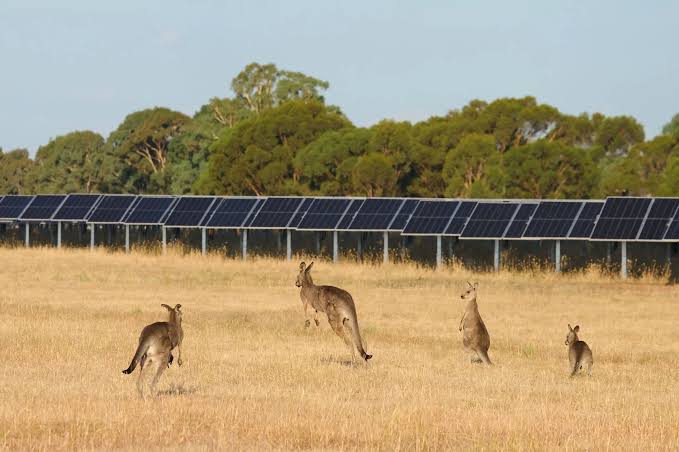
The Hunter renewable energy project could deliver more than 1GW of new generation and storage capacity in New South Wales, Australia. The proposed development represents a major clean-energy investment supporting the region’s expanding digital infrastructure.
AirTrunk and European Energy Australia have signed an exclusivity agreement to advance renewable energy developments in the Hunter region. The partnership targets a 260MW solar installation, an 800MWh-plus battery storage facility and a wind project. Together, these developments could strengthen electricity supply while supporting AirTrunk’s proposed 550MW Kurri Kurri data centre campus. The Australian Financial Review values the clean-power push at approximately A$1.5 billion.
The agreement comes amid growing scrutiny of data centers’ electricity consumption across Australia. Consequently, developers face increasing pressure to support additional generation rather than compete with households. The partnership also connects private investment in digital infrastructure with Australia’s broader renewable energy transition.
Hunter renewable energy project expands generation capacity
The proposed solar facility would generate 260MW, while the battery installation would provide more than 800MWh of storage. Additionally, the wind development could deliver up to 350MW of generation capacity.
The three components would collectively exceed 1GW of combined generation and storage capacity. However, their individual contributions differ because battery capacity measures stored energy rather than generation output.
European Energy plans to connect the facilities to Ausgrid’s upgraded 132kV electricity network. The connection would run through the Hunter-Central Coast Renewable Energy Zone. Nevertheless, developers must complete technical assessments and secure connection arrangements before construction advances.
The proposed development carries a staged delivery programme. Solar generation and battery storage could begin operating in 2030. Meanwhile, the wind project targets commissioning in 2032.
These timelines remain development targets rather than confirmed construction completion dates. The companies have not announced final investment decisions or construction commencement dates. Furthermore, the exclusivity agreement does not constitute a completed electricity supply contract.
AirTrunk and European Energy are also discussing a potential long-term power purchase agreement. Such an arrangement could provide the commercial foundation for financing renewable generation. However, the companies have not finalised the proposed agreement.
The proposed project adds to New South Wales’ growing pipeline of large-scale electricity storage developments. In particular, the region’s energy infrastructure expansion also includes Delta Electricity and Samsung C&T’s proposed Vales Point Battery project, a 400MW battery energy storage facility with 800MWh capacity.
Planned for the former A-Station footprint at Vales Point Power Station, the installation will repurpose ageing coal infrastructure while supporting renewable energy integration and electricity grid reliability. Together, the developments demonstrate the Hunter region’s expanding role in Australia’s transition towards renewable energy generation and large-scale battery storage.
Hunter renewable energy project supports Kurri Kurri construction
The proposed generation portfolio will support AirTrunk’s planned Kurri Kurri data centre campus. The facility occupies a proposed site at Loxford, approximately 37 kilometers north-west of Newcastle.
AirTrunk plans to develop the campus on the former Kurri Kurri aluminium smelter site. The redevelopment would repurpose industrial land while leveraging existing infrastructure.
The proposed campus carries an estimated electricity demand of approximately 550MW. Therefore, securing additional renewable generation will form an important part of its development strategy.
The partnership also builds on the companies’ existing collaboration at Mulwala Solar Farm. The 31MW facility recently reached full generation output in New South Wales. Its electricity supplies the state grid, with most output contracted to AirTrunk.
Furthermore, the Mulwala development demonstrates how long-term corporate electricity demand can support renewable infrastructure investment. The facility also includes plans for a 25MW/100MWh battery storage system.
The Kurri Kurri proposal also faces increasing regulatory expectations around electricity consumption. Australia’s federal government expects data centre operators to secure additional clean generation or storage.
Similarly, New South Wales guidelines require operators to fund additional electricity supply and supporting infrastructure. These requirements aim to prevent new developments from transferring electricity costs onto households and businesses.
Consequently, the Hunter renewable energy project could strengthen AirTrunk’s position as regulators scrutinise data centre expansion. It would also contribute additional capacity to the state’s electricity system.
Hunter renewable energy project advances AirTrunk’s net-zero commitment
AirTrunk aims to match all its electricity consumption with renewable energy by 2030. The company reported that renewables matched approximately 73% of its electricity consumption across its portfolio in FY2026.
The proposed Hunter developments will support that target through additional generation and storage. However, AirTrunk acknowledges that further renewable generation and firming capacity will remain necessary.
According to AirTrunk founder and chief executive Robin Khuda, digital growth must bring additional energy supply. European Energy Australia managing director Catriona McLeod also highlighted the importance of partnerships in accelerating renewable generation.
The companies will continue assessing additional renewable energy opportunities across Australia. Meanwhile, the Hunter developments must progress through planning, technical assessments and final commercial arrangements before construction begins.
The project also reflects the growing importance of grid connection infrastructure in Australia’s expanding clean-energy construction pipeline. A similar challenge features in Queensland’s Lotus Creek Wind Farm, which recently cleared a major grid connection hurdle for its proposed $850 million development.
While Lotus Creek advances its pathway towards connecting new wind generation to the electricity network, AirTrunk and European Energy are pursuing a combined solar, wind and battery development in New South Wales. Both projects demonstrate how transmission access and network upgrades influence the delivery of large-scale renewable energy infrastructure across Australia.
Project Fact Sheet
Name: Hunter Renewable Energy and Storage Partnership.
Location: Hunter region, New South Wales, Australia.
Renewable Energy Zone: Hunter-Central Coast Renewable Energy Zone.
Reported Investment: Approximately A$1.5 billion
Solar Component: Proposed 260MW solar generation facility.
Battery Component: More than 800MWh of battery storage, with reporting also identifying approximately 600MW of battery power capacity.
Wind Component: Proposed wind generation facility with capacity of up to 350MW.
Combined Capacity: More than 1GW of generation and storage capacity.
Beneficiary Development: Proposed 550MW Kurri Kurri data centre campus.
Solar and Battery Target: Operations targeted for 2030.
Wind Target: Operations targeted for 2032.
Grid Connection: Planned connection to Ausgrid’s upgraded 132kV network.
Development Status: Exclusivity agreement signed; development, approvals and commercial arrangements remain outstanding.
Power Supply Arrangement: Potential long-term power purchase agreement under discussion.
Existing Partnership: 31MW Mulwala Solar Farm in New South Wales.
Project Team
Renewable Energy Partner, Developer, Builder, Owner and Operator: European Energy Australia.
Data Centre Developer and Renewable Electricity Offtaker: AirTrunk.
Electricity Network Operator and Proposed Connection Provider: Ausgrid.
Government Planning and Regulatory Authorities: Relevant New South Wales planning authorities and electricity regulators.



Leave a Reply