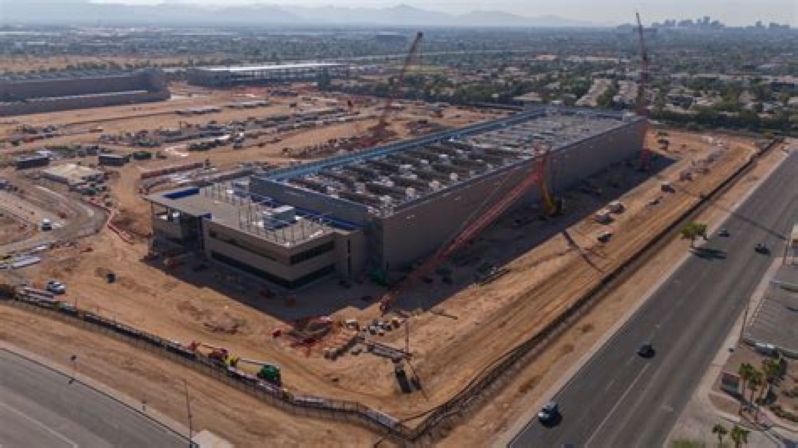
Australia’s island state, Tasmania, is at a policy impasse. The challenge of attracting energy-intensive AI data center projects while protecting Tasmania’s renewable energy ambitions, electricity affordability and environmental priorities.
Tasmania’s AI infrastructure expansion
Tasmania is positioning itself to attract a new generation of energy-intensive digital infrastructure as demand for artificial intelligence data center capacity continues to grow globally. However, ambition the ambition by Tasmania to become an AI data center destination is increasingly raising questions about whether its electricity infrastructure and renewable energy supply can accommodate the proposed developments.
The debate intensified on November 18, 2026, when Tasmania’s lower house of parliament passed a motion calling for a moratorium on major new AI data center projects until appropriate legislation and regulatory safeguards are in place. The motion, supported by Labor, the Greens and six independent MPs, passed by 17 votes to 13.
The government, however, has rejected the proposal. Premier Jeremy Rockliff maintains that a moratorium would undermine a significant economic opportunity. Rockliff argued that data center investment could generate revenue for government-owned energy businesses and help fund essential public services. The motion is also non-binding, meaning the government is not legally required to implement it.
Firmus Technologies leads Tasmania’s AI data center pipeline
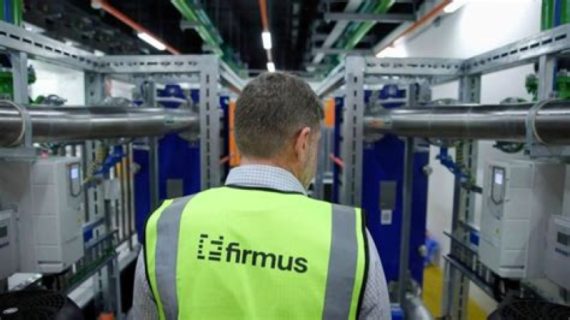
At the center of the debate is Firmus Technologies and its proposed expansion across northern Tasmania.
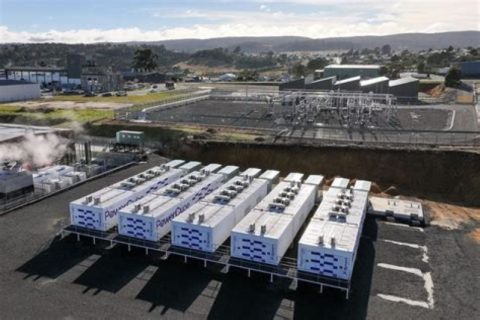
The company has three major AI infrastructure developments in the state, including a facility under construction at St Leonards, a proposed AI data center at Wesley Vale and another planned development at Long Reach, near Bell Bay.
The developments could make Firmus one of Tasmania’s largest electricity consumers. The combined power requirements of its proposed facilities could also present a substantial challenge for the state’s electricity network.
The Wesley Vale development has also attracted attention over its proposed water and power infrastructure. Firmus has outlined plans to use rainwater and trucked-in water for cooling. This is while the proposed AI factory at Long Reach plans to include substantial backup generation infrastructure.
Beyond Firmus, the Tasmanian government has disclosed that it is in confidential discussions with proponents of six additional data center developments. The companies involved have not been publicly identified, adding to calls for greater transparency around the state’s investment pipeline.
Renewable energy supply presents a major infrastructure challenge
One of the biggest questions surrounding Tasmania’s AI data center ambitions is whether additional renewable electricity generation can be delivered quickly enough to support the proposed facilities.
During the parliamentary debate, independent MP George Razay questioned the government’s expectation that developers would provide their own renewable energy. He argued that an additional 500MW of electricity demand could require approximately 1,500MW of wind generation. This is equivalent to three times Tasmania’s existing installed wind capacity.
Energy Minister Nick Duigan also acknowledged that data centers could be constructed more quickly than wind farms. This, as he said, highlights a potential mismatch between the speed of digital infrastructure development and the delivery of the renewable energy projects intended to power it.
The challenge also extends beyond generation capacity. Additional transmission infrastructure, grid connections and energy storage systems could also be required to integrate new renewable energy supplies and maintain electricity reliability.
The government has also argued that developers will pay market rates for electricity. It has also proposed that they should meet the upfront costs of their transmission requirements, potentially generating substantial investment for Hydro Tasmania and TasNetworks. However, the ultimate infrastructure requirements and the extent to which new generation will be delivered alongside data center construction remain important considerations.
Renewable energy ambitions in Tasmania face a new test as AI data center ambitions grow
The debate also comes at a particularly important time for Tasmania. The island-state has built much of its energy identity around renewable electricity, particularly hydropower and wind generation.
The state government is attempting to turn this renewable energy advantage into an economic development opportunity by attracting energy-intensive industries, including AI infrastructure operators.
On November 13, 2026, the government released its Expectations for Data Centers and AI Infrastructure Proponents. The framework requires proponents to enter into project agreements covering on-island renewable energy generation, accountability, transparency, efficient water use and the minimization of environmental impacts. It also seeks to maximize opportunities for Tasmanian businesses.
Nevertheless, having renewable energy requirements in place does not automatically guarantee that generation, transmission and storage infrastructure will be ready when data centers begin operating.
The state will therefore need to consider how new facilities will be integrated into its electricity system without compromising existing customers, industrial users or its broader renewable energy objectives.
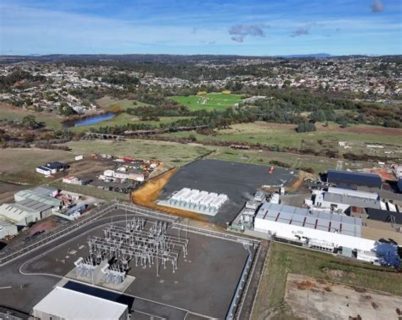
Tasmania is not alone in confronting the infrastructure challenges associated with attracting energy-intensive AI data centers. In Canada, Alberta is pursuing a different approach. The province is seeking to leverage its established oil and gas industry to support a growing AI infrastructure market while introducing new restrictions on large-scale data center developments. Alberta’s strategy highlights the competing priorities facing energy-rich jurisdictions as they attempt to accommodate rising electricity demand from AI data centers without compromising existing energy industries and environmental objectives.
What next for the AI data center industry in Tasmania?
Tasmania’s decision not to impose a moratorium leaves the door open for further AI infrastructure investment. With notice, the parliamentary debate also highlights the need for a more comprehensive approach to planning and regulation.
The state will need to demonstrate that its data center ambitions can translate into tangible economic benefits. This is while ensuring that developers take responsibility for the electricity, water and supporting infrastructure their projects require.
Ultimately, Tasmania’s ability to attract AI infrastructure investment may depend less on how many data centers it can approve and more on how effectively it can coordinate their development with renewable energy generation, transmission expansion and environmental safeguards.
For other renewable-energy-rich jurisdictions considering similar investments, Tasmania could become an important test case for whether the AI infrastructure boom can be accommodated without undermining the energy advantages that make these regions attractive in the first place.
Key points
Location: Northern Tasmania
Main developer: Firmus Technologies.
Key locations: St Leonards, Wesley Vale and Long Reach (near Bell Bay).
Additional pipeline: Six confidential data center proposals being explored.
Main infrastructure requirements: Renewable electricity generation, transmission, cooling systems, water supply and backup power.
Regulatory development: Tasmanian government released its data center expectations framework on November 13, 2026.
Latest political development: Lower-house moratorium motion passed November 18, 2026. Tasmanian government rejected its implementation.
Central issue: Matching and balancing AI data center expansion with renewable energy generation and grid capacity.
Key stakeholders involved
-
Firmus Technologies – AI data center developer and project proponent.
-
Hydro Tasmania – State-owned electricity generation and energy business.
-
TasNetworks – Electricity transmission and distribution network operator.
-
Tasmania Government – Energy policy, and data center investment facilitation and regulatory oversight.
-
Latrobe Council – Local planning authority for the Wesley Vale development.
-
George Town Council – Local planning authority for the Long Reach development.



Leave a Reply