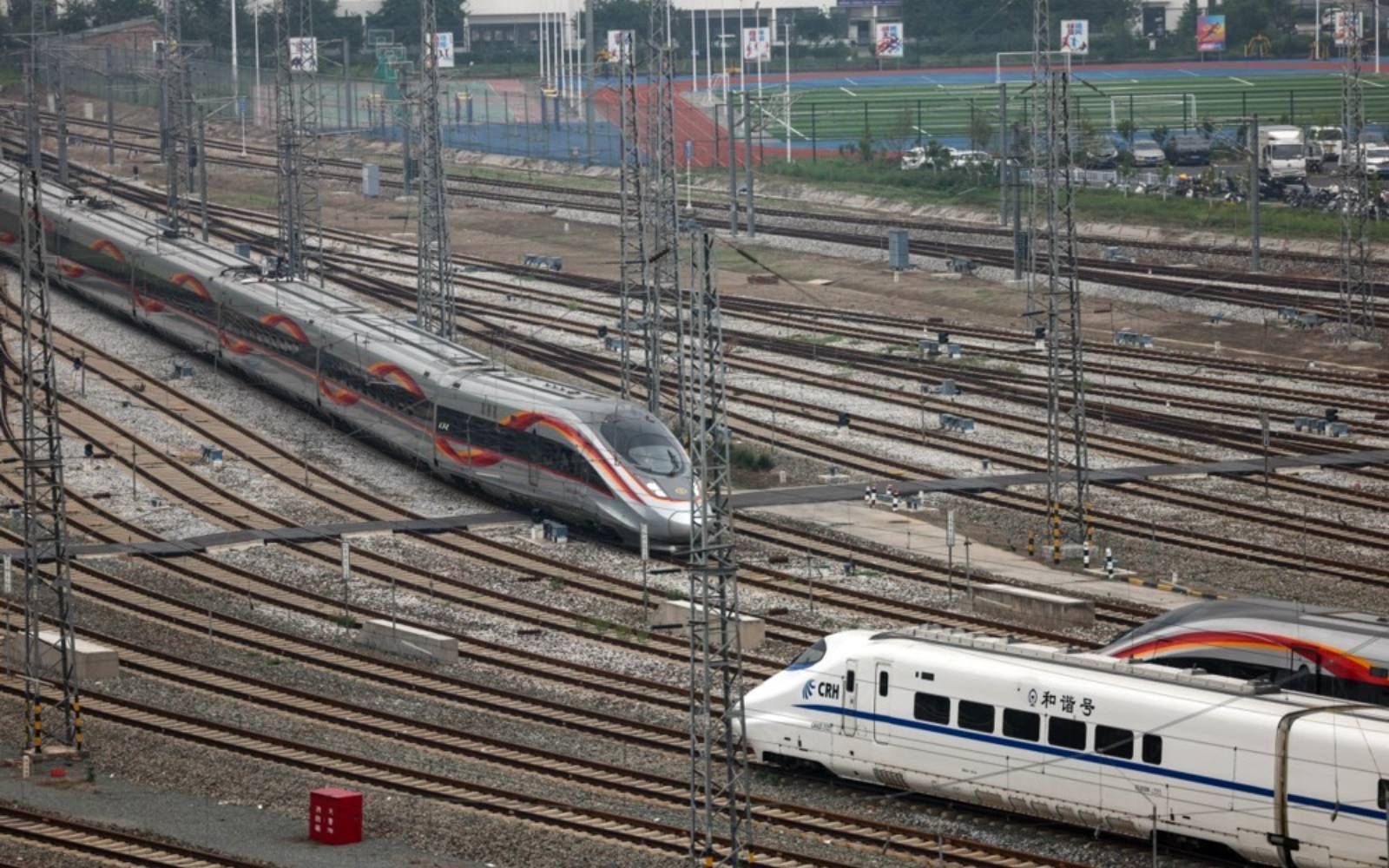
China currently stands as home to the world’s largest high-speed rail network. In a recent milestone that is set to boost further its high speed rail transport, the country opened four major high-speed railway sections to traffic on Monday. These are expected to improve transport links across several regions. These railway lines showcase the prowess of China’s development of railway infrastructure not just within its borders but also outside, with the country also developing another high-speed railway to Thailand and participating in high-speed rail projects globally.
The new sections will connect Xiong’an in Hebei Province with Shangqiu in Henan Province. Another one will connect Xi’an with Ankang in Shaanxi Province. Also, one will link Yichang with Xingshan in Hubei Province, and lastly one will connect Harbin with Yichun in Heilongjiang Province.
What Impact will the New Lines Bring
Spanning northern, northwestern, central and northeastern China, the new lines will bring immense benefits in the regions. These benefits are mainly economical and reduction of travel time.
1. Reduced Time Travel
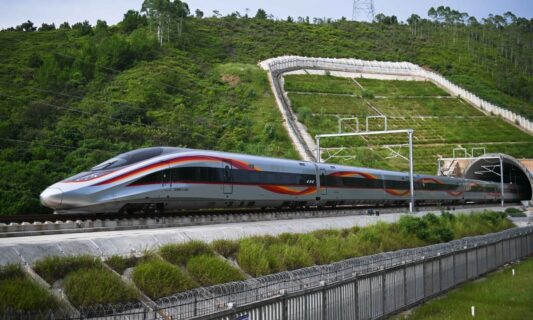
Furthermore, the introduction of these four high-speed railway sections will greatly reduce travel times across major regions. Passengers can now move much faster between key cities in northern, northwestern, central, and northeastern China. For example, the trip between Xi’an and Ankang in Shaanxi Province drops to just 45 minutes, bringing smaller remote areas into high-speed transit for the first time. Similarly, connecting Yichang and Xingshan cuts down travel time between Wuhan and Chongqing to under four hours. Overall, these faster routes make daily commutes and long-distance travel significantly easier for local residents.
2. A Boost on Regional Economic Growth and Tourism
Additionally, the expanded rail network will boost regional economic growth and tourism. This will be achieved by linking rural counties directly to provincial capitals. Also, the lines will enable goods, services, and workers to move more freely.
Scenic mountain regions and freezing northern locations such as Yichun will get better tourism access year-round. Furthermore, linking key hubs like the Xiong’an New Area creates stronger trade pathways across neighboring provinces. Ultimately, these strategic routes will greatly help in bridging economic gaps between urban centers and surrounding communities.
Project Factsheet: Four Major High-Speed Railway Sections in China
1. Xiong’an – Shangqiu Section
Locations Connected: Xiong’an New Area (Hebei) to Shangqiu (Henan)
Design Speed: 350 km/h
Main Line Length: Approximately 552 km
Key Strategic Value: Serves as a central segment of the north-south Beijing–Hong Kong HSR corridor, linking Xiong’an to major national arterial routes.
2. Xi’an – Ankang Section
Locations Connected: Xi’an to Ankang (Shaanxi Province)
Design Speed: 350 km/h
Main Line Length: Approximately 171 km
Key Strategic Value: Cuts travel time between Xi’an and Ankang from ~3 hours to around 45 minutes, penetrating the complex geology of the Qinling Mountains with over 90% bridge and tunnel structures.
3. Yichang – Xingshan Section
Locations Connected: Yichang to Xingshan County (Hubei Province)
Design Speed: 350 km/h
Main Line Length: Approximately 109 km
Key Strategic Value: Acts as a vital connection point within the Yangtze River high-speed passenger corridor, reducing the overall transit time between Wuhan and Chongqing to under four hours.
4. Harbin – Yichun Section
Locations Connected: Harbin to Yichun (Heilongjiang Province)
Design Speed: 250 km/h
Main Line Length: Approximately 318 km
Key Strategic Value: Stands as China’s northernmost high-speed railway line, crossing high-latitude permafrost zones and slashing travel times between the two cities from 7 hours down to 2 hours.
Regional Impact Overview
Network Coverage: Connects major regions across northern, northwestern, central, and northeastern China.
Travel Efficiency: Significantly cuts local commuting times and long-distance travel, linking isolated or mountainous areas directly to high-speed transit.
Economic and Tourism Boost: Facilitates the movement of trade and workers while opening up remote scenic regions for year-round tourism.




Leave a Reply