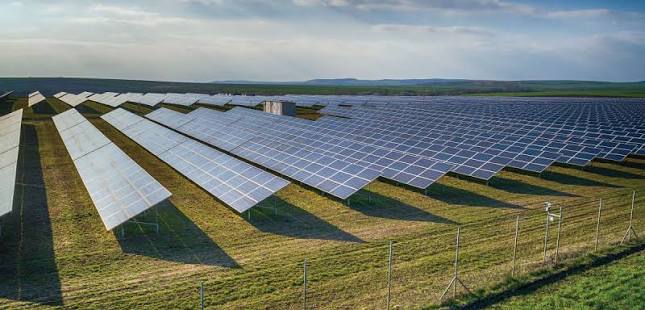
Duke Energy Florida has filed plans with the Florida Public Service Commission to develop four solar energy projects in Orange and Sumter counties, adding a combined 300 megawatts (MW) of generating capacity by mid-2028.
The proposed facilities are Nova Renewable Energy Center, Bull Creek Renewable Energy Center and Wewahootee Renewable Energy Center in Orange County, and Hogeye Renewable Energy Center in Sumter County. Duke expects construction to begin between January and May 2027, with the four projects scheduled for completion between February and June 2028.
The company estimates that the projects will save customers approximately $1 billion over their operating lifetimes by reducing the amount of fuel Duke needs to purchase to generate electricity.
The filing adds another group of projects to Duke’s expanding Florida solar portfolio. However, the Public Service Commission’s review will determine the regulatory path for the proposed investments and their associated costs.
Four solar projects targeted for completion in 2028
Duke has outlined separate construction schedules for the four facilities.
Construction at Nova Renewable Energy Center is expected to begin in January 2027, with completion targeted for February 2028. Work at Bull Creek is scheduled to start in March 2027, with completion expected in April 2028.
The company plans to begin construction at Hogeye and Wewahootee in May 2027. It expects to complete Hogeye in May 2028 and Wewahootee in June 2028.
Together, the four facilities will add 300 MW of solar capacity. Duke has not provided an individual capacity breakdown for each site in its announcement, nor has it disclosed the proposed construction cost of each facility.
Those details will help establish how the company intends to distribute the investment across the four locations and how the projects will contribute to its wider generation portfolio.
What the $1 billion customer savings estimate means
Duke estimates that the four projects will generate approximately $1 billion in customer savings over their operating lifetimes through avoided fuel costs.
That figure represents projected savings from reducing reliance on fuel-fired generation. It does not mean customers will receive an immediate $1 billion reduction in electricity bills.
The distinction is important because utilities also incur capital costs when developing new generation facilities. Those costs can affect customer rates when regulators approve their recovery.
Florida’s previous decisions on Duke’s solar expansion illustrate how the investment costs and projected fuel savings can affect bills differently.
In June 2025, the Florida Public Service Commission approved cost recovery for four earlier Duke solar projects totaling approximately 300 MW: Sundance, Rattler, Half Moon and Bailey Mill. The commission approved an annual revenue requirement of approximately $73.3 million for that group.
For a residential customer using 1,000 kilowatt-hours per month, the commission estimated a base-rate increase of approximately 47 to 56 cents per project, partially offset by about 17 cents in fuel savings per project.
Those figures apply to the earlier projects, not the four facilities in the latest filing. However, they demonstrate why the new projects’ projected fuel savings need to be considered alongside their construction costs and any eventual rate-recovery approvals.
The commission’s review will be important in determining the financial treatment of the proposed facilities and how their costs and expected benefits reach customers.
Solar and battery storage form part of a wider expansion
Duke Energy Florida currently owns and operates 25 solar facilities with a combined capacity of approximately 1,850 MW, according to the company.
The utility is also planning a significant expansion of battery storage. It expects to add more than 1 GW of storage capacity over the next decade.
Battery systems can store electricity generated during periods of strong solar output and release it when generation falls or demand increases. Their contribution depends on their capacity, storage duration and operating conditions, as well as the needs of the wider electricity grid.
Duke also says it passes federal production tax credit benefits to customers. The company estimates that it currently provides approximately $75 million annually through these credits, with a minimum benefit of $2.50 per 1,000 kilowatt-hours consumed.
The four proposed solar projects would add another 300 MW to this generation strategy. Their progress will depend on regulatory review, project development and the construction schedules Duke has outlined.
The investment adds to a wider wave of energy infrastructure development across the United States, spanning renewable generation, storage and conventional energy production. In Louisiana, Arena Energy has reached financial close on a $480 million Department of Energy financing package for Project Elkhorn, which will upgrade 22 offshore platforms and expand oil and natural gas production.
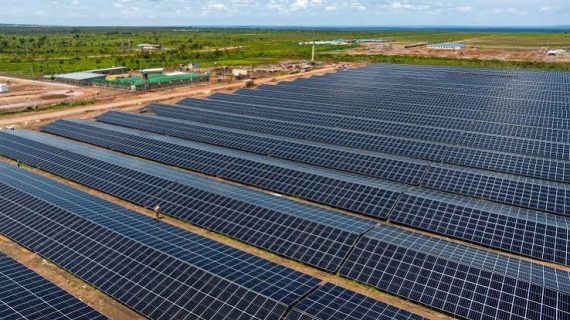
Duke Energy Florida New Projects: Nova, Bull Creek, Hogeye and Wewahootee Renewable Energy Centers
- Developer and utility: Duke Energy Florida
- Projects: Nova, Bull Creek, Hogeye and Wewahootee Renewable Energy Centers
- Locations: Orange and Sumter counties, Florida
- Combined planned capacity: 300 MW
- Construction start: January-May 2027
- Expected completion: February-June 2028
- Estimated customer savings: Approximately $1 billion over the projects’ operating lifetimes, according to Duke
- Existing solar portfolio: 25 facilities with approximately 1,850 MW of capacity, according to Duke
- Battery storage strategy: More than 1 GW planned over the next decade, according to Duke
- Regulatory status: Plans filed with the Florida Public Service Commission; approval has not been established




Leave a Reply