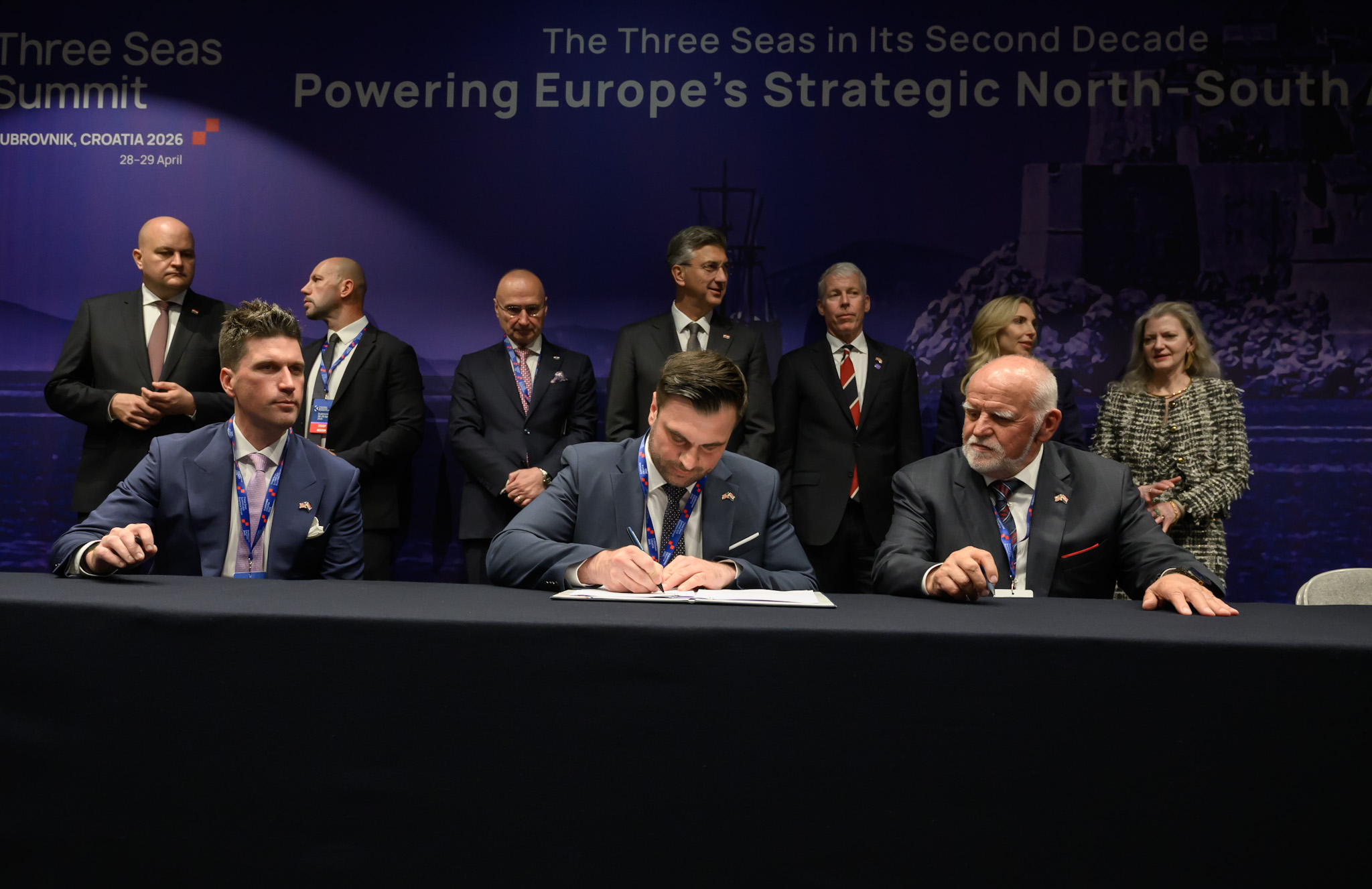
Pantheon AI data center project in Croatia is set to reshape Europe’s digital infrastructure landscape with a €50 billion hyper scale investment. Pantheon Atlas LLC leads the development of the AI campus, which integrates large-scale computing, renewable energy, and advanced storage systems. Moreover, construction is scheduled to begin in 2027, with full operations targeted for Q1 2029. Consequently, the project positions Croatia as an emerging hub for AI-driven infrastructure in Europe. In addition, the initial phase includes €12 billion in capital deployment to accelerate early construction works.

Pantheon AI data center project integrates 500MW solar and 2GW storage system
Pantheon AI data center construction project includes a 500MW on-site solar facility and a 2GW/8GWh battery energy storage system (BESS). Moreover, Pantheon Atlas LLC confirmed that Greenvolt, a Portuguese independent power producer, signed a letter of intent to develop the solar and storage infrastructure. Additionally, the renewable energy system will operate behind-the-meter to directly support the AI campus load.
However, the installation timeline for the energy systems remains aligned with phased construction milestones. Therefore, energy integration forms a core pillar of the project’s operational strategy. Furthermore, the project design prioritizes energy autonomy and grid resilience. Consequently, the combination of solar generation and large-scale storage aims to stabilize high-density AI workloads. In addition, developers are aligning the system with Europe’s rising demand for clean digital infrastructure.
Pantheon AI data Centre project expands Croatian grid capacity with 4x400kV lines
Pantheon AI data center project also includes major transmission infrastructure upgrades across Croatia. Moreover, the development will construct four 400kV transmission lines to support national grid expansion. Additionally, Pantheon Atlas stated that this infrastructure could enable up to 5.2GW of additional renewable energy capacity integration.
Consequently, the project extends beyond a single facility into national energy system reinforcement. Therefore, Croatia’s transmission network will undergo significant long-term structural enhancement. Furthermore, these upgrades support broader European energy transition objectives. In addition, the grid expansion improves conditions for future industrial and digital investments. However, regulatory approvals and coordination with transmission authorities remain essential for execution.
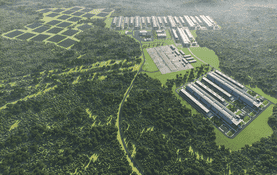
Pantheon AI data Centre project aligns with global AI energy demand surge
Pantheon AI data center project emerges amid accelerating global electricity demand from AI infrastructure. Moreover, the International Energy Agency (IEA) projects electricity demand will grow 2.5 times faster than overall energy demand by 2030. Additionally, data canters represent a major driver of this “Age of Electricity” transformation.
Consequently, developers increasingly integrate renewable energy and storage into hyperscale designs. Therefore, Pantheon AI reflects a broader shift toward energy-integrated digital infrastructure. Furthermore, global technology companies are securing direct energy assets to support AI growth. For instance, Google acquired renewable developer Intersect Power to internalize solar generation. Similarly, Meta has explored unconventional off-grid solutions, including space-based solar offtake agreements. In addition, these trends highlight intensifying competition for clean, reliable power for AI workloads.
The Pantheon AI data center project in Croatia aligns with broader European hyperscale developments, similar to the Berlin I data center campus in Brandenburg Park, Germany, which is expanding regional digital infrastructure through phased hyperscale builds and renewable-powered design integration.



Leave a Reply