
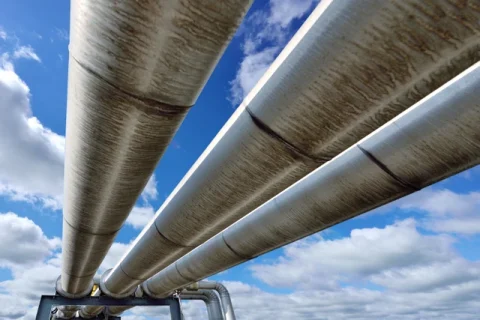
The Enbridge North Dakota Pipeline, which moves 475,000 barrels of Bakken crude a day, is facing delays over crude quality issues. Enbridge says it is working with shippers to return the line to normal operations as soon as possible. The company has not given a timeline. Enbridge is working to restore flows on its North Dakota Pipeline after crude quality delays.
What is happening on the Enbridge North Dakota Pipeline
Enbridge says it is seeing delays in receipts and deliveries on the line. It describes the cause as routine crude oil quality testing. However, it has not confirmed that crude quality problems were found. Market reports paint a tougher picture. They say the system has been shut in since November 14, over concerns about organic chloride contamination in Bakken crude arriving at the Clearbrook, Minnesota, delivery hub. Enbridge has not confirmed an official shutdown.
The organic chloride problem behind the delays
Organic chlorides are a known worry for refiners because they can damage processing equipment. Analysts say elevated levels were detected late last week. The effects have already reached the refining sector. At least one Midwest refinery declared force majeure, a legal notice that a company cannot meet its obligations because of events outside its control. One report identifies the refinery as Flint Hills Resources’ Pine Bend plant in Minnesota. Meanwhile, Midwest buyers are looking for replacement barrels while avoiding possible contamination from Bakken crude.
What it means for Bakken producers and the Midcontinent
The delays matter because of scale. The line carries nearly half a million barrels a day from one of America’s biggest shale oil regions. As a result, analysts expect the loss of Bakken supply to tighten Midcontinent light sweet crude markets.
Competitors may benefit. Volumes could shift to the Dakota Access Pipeline, which has a larger capacity of 750,000 barrels a day. That could also cut into Enbridge’s market share in the region.
The next steps are simple. Watch for Enbridge’s restart timeline, whether it confirms the cause, and whether more refiners declare force majeure.
The line also matters to Enbridge’s wider plans. In August, the company postponed the second phase of its Mainline Optimization project, which would have added 250,000 barrels a day of capacity and sent Canadian crude toward the Dakota Access Pipeline in North Dakota.
Other projects
President Donald Trump has asserted that the US-Japan natural gas facility to be built in Ohio will be the largest in the United States. Moreover, it is planned to have the capacity to power millions of homes. Japan is expected to invest $33 billion in the project, which is led by SoftBank Group Corp., a subsidiary of SB Energy. The information is based on a US Commerce Department factsheet that outlines the investments. The site is expected to have a capacity of 9.2 gigawatts, according to a statement from US Commerce Secretary Howard Lutnick on Tuesday.
Fact Sheet
Pipeline: Enbridge North Dakota Pipeline
Operator: Enbridge Inc.
Capacity: 475,000 barrels a day
Product: Bakken crude
Delivery hub: Clearbrook, Minnesota
Issue: delays tied to crude quality; organic chloride contamination reported
Company status: working with shippers to restore normal operations; no timeline given
Reported shut-in: since November 14 (market reports, not confirmed by Enbridge)
Alternative route: Dakota Access Pipeline, 750,000 barrels a day
Refinery impact: at least one Midwest refinery has declared force majeure


Leave a Reply