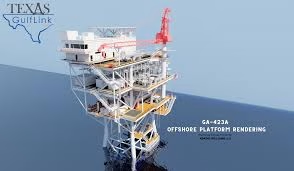
Texas GulfLink Deepwater Port: Project Factsheet
other projects
Hormuz bypass pipelines will not end the Gulf’s reliance on the strait, the International Energy Agency (IEA) says. Even if Gulf producers spend an estimated $40 billion on new routes, their exports would stay vulnerable to disruption. In the IEA’s most extreme diversification case, about 2 million barrels a day would still pass through Hormuz in 2035.
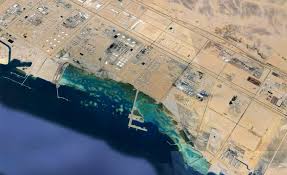
What the IEA says about Hormuz bypass pipelines
The warning comes as the Iran war drags on. The IEA counts about 7 million barrels a day of new pipeline capacity under construction or being considered. It says those projects could add roughly $2 a barrel to the cost of Middle East oil exports.
The IEA’s 2035 case is deliberately extreme. It assumes every project gets built, producers outside the Gulf pump more, and importers cut demand. Even then, 2 million barrels a day would still use the strait.
Importers can lower their exposure over time, the IEA says, but the same does not apply to the Middle East as a whole.
Project Overview
DeveloperSentinel Midstream
Location30 miles southeast of Freeport, Texas
TypeCrude oil export facility / deepwater port
Capacity85,000 barrels per hour (365 million barrels annually)
Recent Milestone
Feb. 3, 2026Final Deepwater Port License issued
September 11, 2025EPA issued Clean Air Act (CAA) permit, publicly announced September 15, 2025
Key Innovation
First U.S. deployment of vapor capture and control technology on offshore support vessels:
Reduces volatile organic compound (VOC) emissions during VLCC loading
Technology proven in North Sea operations for 20+ years
Achieves >96% efficiency
Recognized as Best Available Control Technology (BACT)
Technical Specifications
Loading MethodSingle-point mooring buoy system for Very Large Crude Carriers (VLCCs)
Permit TypeCombined synthetic minor New Source Review (NSR) and Title V operating permit
Validity5 years (renewal required 6 months before expiration)
Economic Impact
Construction Phase (2020 Perryman Group study):
Projected gross product$1.1 billion
Expected job creationThousands (direct and indirect)
Environmental Controls
Semi-annual and annual compliance certifications
Monitoring, recordkeeping, and reporting requirements
Federal air quality standards compliance
Advanced vapor control technology implementation

Leave a Reply