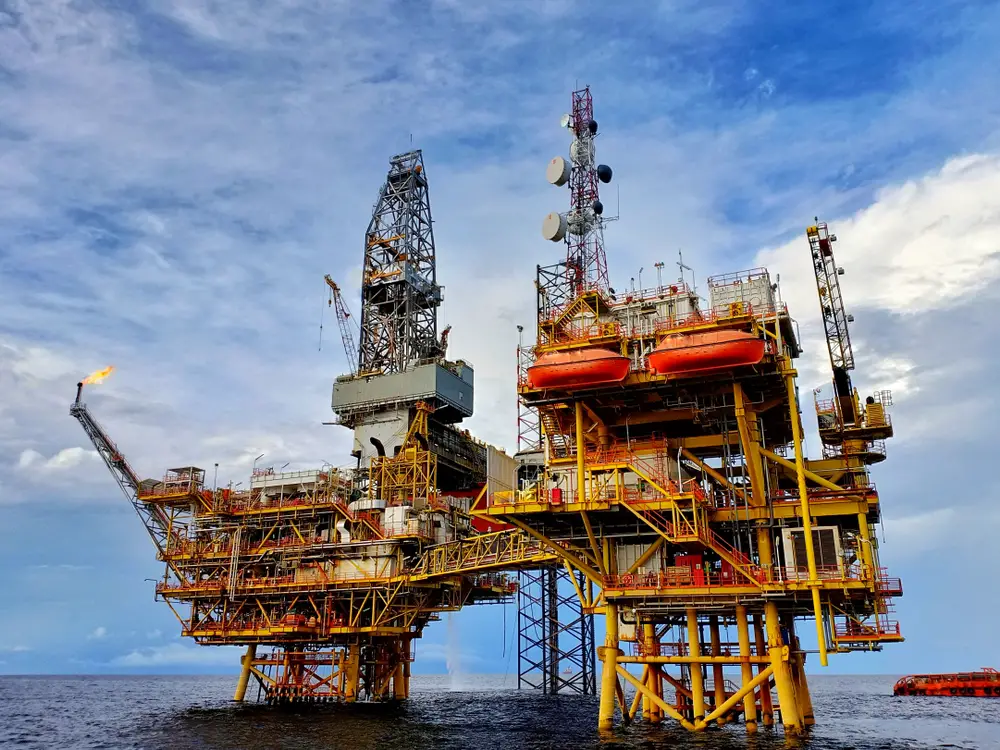
The Rosebank oil field project has entered its final execution phase ahead of first production in 2027. The offshore development is located northwest of Shetland in the UK Continental Shelf. Equinor operates the project with Ithaca Energy holding a 20% interest. The partners approved the Phase 1 investment in September 2023.
The project will develop the field through subsea wells connected to a redeployed floating production, storage and offloading vessel. The Rosebank FPSO reached the field and moored on station in June 2026. Remaining hook-up and commissioning works now sit on the critical path.
Rosebank originally targeted production during 2026 or 2027. However, the operator has now narrowed the first-production window to the first half of 2027. Production should then ramp toward plateau levels during summer 2027.
Rosebank oil field project advances offshore construction
The Rosebank oil field project has completed several major construction activities ahead of first production. Contractors completed the offshore subsea installation campaign during 2025. The work preceded the project’s drilling program.
The development requires subsea production systems, umbilicals, risers and flow lines. TechnipFMC secured the integrated engineering, procurement, construction and installation contract for these systems. The contract carried an estimated $500 million value.
Meanwhile, the drilling campaign began during the first quarter of 2026. The program targets seven wells and spans approximately 18 months. However, an equipment-handling incident temporarily removed the drilling rig from service.
The rig returned to service in July 2026 and restarted well activities. The campaign now focuses on establishing the minimum well stock needed for production ramp-up.
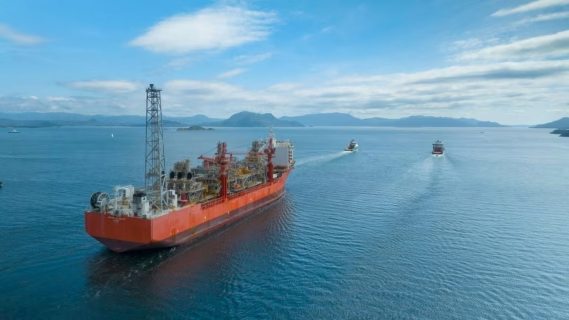
The redeployed FPSO provides the project’s central processing and storage infrastructure. The vessel underwent major refurbishment before sailing toward the Rosebank field. It reached the field in June 2026.
The project will also export gas through the existing West of Shetland Pipeline System. Oil tankers will collect production from the FPSO. The development therefore combines subsea construction with floating offshore processing infrastructure.
Rosebank oil field project targets major production
The Rosebank oil field project contains more than 300 million barrels of recoverable resources. Phase 1 targets approximately 245 million barrels of oil. The field will develop through two phases.
The redeployed FPSO has a production capacity of approximately 70,000 barrels of oil daily. Rosebank will also produce more than 21 million standard cubic feet of natural gas daily.
Furthermore, the project represents a major investment in UK offshore construction. Current estimates put total direct investment at £8.5 billion. About £6.6 billion could flow to UK-based businesses.
The project could support around 2,000 jobs during peak construction. It could also sustain approximately 525 UK-based jobs throughout the field’s lifetime.
The partners have also designed the FPSO for future electrification. The development aims to reduce production emissions through potential power-from-shore integration.
The latest progress marks a significant change from the project’s original investment announcement. Our earlier coverage reported the partners’ $3.8 billion final investment decision in 2023. The development has since progressed through subsea installation, drilling and FPSO deployment.
Now, hook-up, commissioning and drilling remain central to the construction program. These activities will determine whether Rosebank reaches its revised first-production target during the first half of 2027.
The project’s progress also provides a useful comparison with the Falklands’ Sea Lion development. Both projects rely on subsea wells connected to FPSO infrastructure. Sea Lion’s proposed expansion similarly targets major offshore production through additional floating facilities.
Other project players
As part of the Rosebank development, TechnipFMC has been awarded an integrated engineering, procurement, construction, and installation (iEPCI) contract for subsea production systems, umbilicals, risers, and flowlines, estimated at $500 million, with a substantial portion of the contract value generated from local activities across the UK.
Odjfell Drilling secured a rig contract valued at approximately $328 million, including options, for the Deepsea Atlantic semi-submersible drilling rig, set to commence a seven-well drilling campaign in the second quarter of 2025, with four single-well options included.
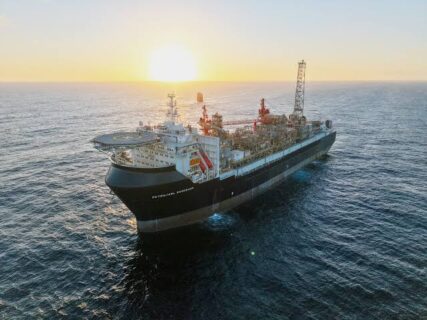
Altera will provide a bareboat charter and an operations and maintenance contract for the Petrojarl Knarr FPSO, to be deployed for Rosebank under a firm contract for nine years, with potential extensions up to 25 years.
Also read: Italian contractor Saipem signs $550 million offshore drilling contracts
Gilad Myerson, Executive Chairman of Ithaca Energy, expressed enthusiasm for the project’s economic and energy benefits, noting that Rosebank would create jobs and contribute significantly to the UK’s energy needs.
Equinor gained operatorship of Rosebank with the acquisition of Chevron’s 40% stake in 2019, with the field initially discovered in 2004.
Despite opposition from environmentalists, the UK government has given the green light to the Rosebank project, citing energy security as a priority. The project aims to reduce emissions by electrifying the extraction process, with electrification expected to be implemented by 2030.
The Rosebank field, while relatively small on a global scale, is anticipated to produce 300 million barrels of oil throughout its lifetime. The decision to proceed with the project has been met with mixed reactions, with some criticizing it for contradicting net-zero emission goals, while others emphasize the importance of domestic fossil fuels for energy security.
Equinor plans to invest $3.8 billion alongside Ithaca Energy in the first phase, with the project’s lifetime expenditure through 2051 estimated at around $9.8 billion, primarily benefiting British firms.
Ithaca Energy’s shares saw an 8% increase in early trading, while Equinor’s shares rose by 1.1%. The North Sea Transition Authority, the UK regulator, considered Rosebank’s emissions in relation to the country’s climate plan.
This development approval follows concerns from North Sea producers, including Ithaca and Equinor, about a windfall tax imposed by the UK government in response to the 2022 energy price shock. The tax includes an investment incentive that allows oil and gas companies to offset a significant portion of their tax bill for new production expenditures.
Project Fact Sheet
Name: Rosebank Oil Field Development
Location: Approximately 130 km northwest of Shetland, UK
Development area: UK Continental Shelf
Phase 1 investment: $3.8 billion
Total direct investment: £8.5 billion
Recoverable resources: More than 300 million barrels
Phase 1 resources: Approximately 245 million barrels
Development phases: Two
Production capacity: Approximately 70,000 barrels per day
Gas production: More than 21 million standard cubic feet per day
Production target: First half of 2027
Production ramp-up: Summer 2027
Development concept: Subsea wells tied to redeployed FPSO
FPSO: Rosebank FPSO
Drilling program: Seven wells
Drilling duration: Approximately 18 months
Gas export route: West of Shetland Pipeline System
UK supply-chain investment: Approximately £6.6 billion
Peak construction employment: Approximately 2,000 jobs
Lifetime UK employment: Approximately 525 jobs
Current project stage: Final execution phase
Project Team
Operator: Adura Operations Limited
Partner: Ithaca SP E&P Limited
FPSO Contractor: Altera Infrastructure
Subsea Contractor: TechnipFMC
Drilling Contractor: Odfjell Drilling
Regulator: North Sea Transition Authority
Pipeline System: West of Shetland Pipeline System

Leave a Reply