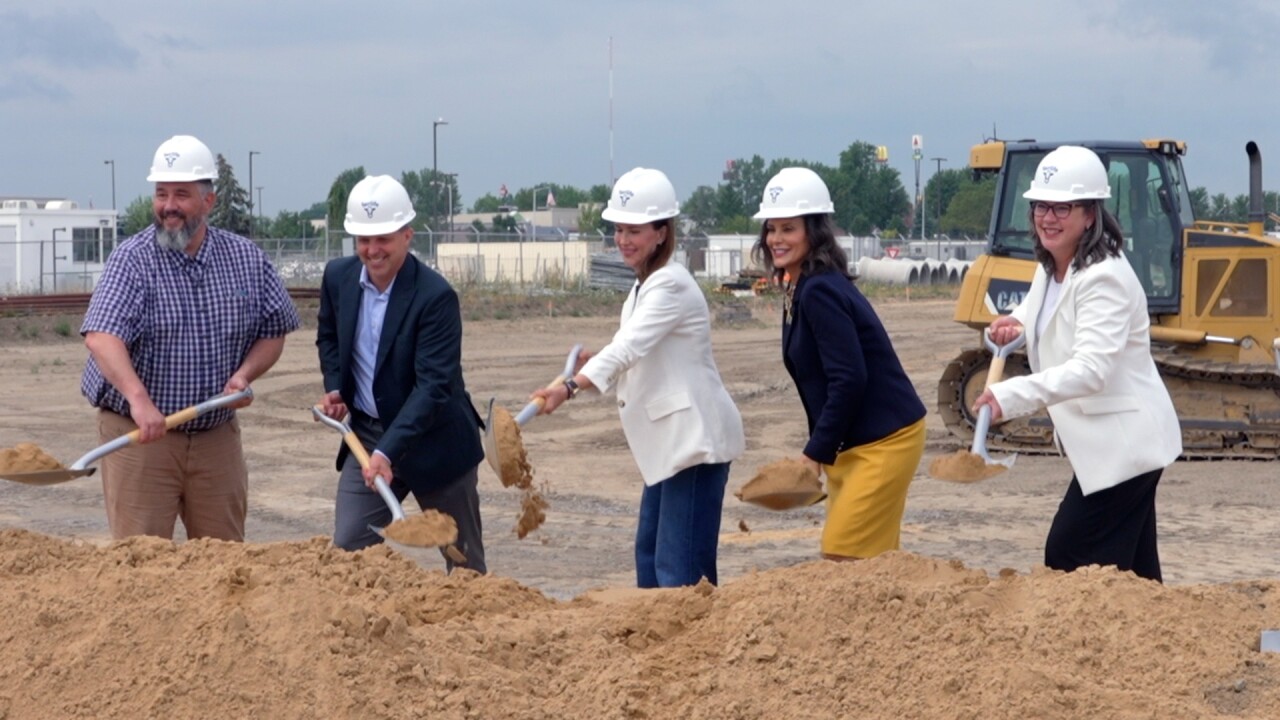
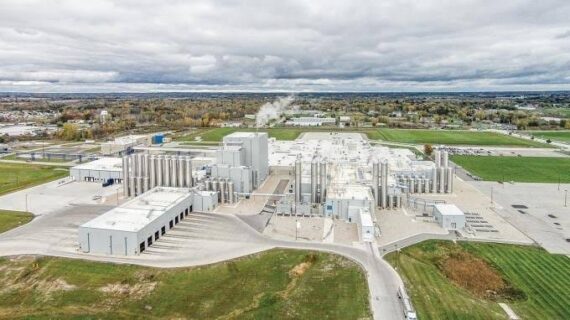
Fairlife, a Coca-Cola Company, broke ground on a $650 million expansion to Fairlife’s dairy production facility in Coopersville, Michigan this week, marking a major infrastructure investment in one of the nation’s most productive dairy regions. The 245,000-square-foot addition to the existing plant at 999 West Randall Street will increase milk processing capacity by 60 percent, adding roughly 4 million pounds of daily intake alongside 150 to 200 direct jobs. The facility already handles more than 6 million pounds of milk per day sourced from over 30 Michigan dairy farms, and the expansion will cement Coopersville’s position as a critical node in the Midwest dairy supply chain.
Construction began immediately following a ceremonial groundbreaking attended by Michigan Governor Gretchen Whitmer and state agriculture officials. The project is expected to reach completion in early 2028, positioning the expanded facility to meet surging consumer demand for Fairlife’s premium dairy products, including protein drinks, ultra-filtered milk, and nutrition-enhanced beverages. Fairlife CEO Becca Kerr indicated that demand growth outpaced production capacity, necessitating the rapid buildout of two new production lines.
Michigan Dairy Momentum and Regional Economic Context
Fairlife’s expansion reflects a broader resurgence in Michigan’s dairy and food processing sectors, where agricultural output has become increasingly concentrated in high-value products rather than commodity milk. Michigan leads the nation in milk cow productivity, according to the state’s Department of Agriculture and Rural Development, and the Coopersville facility exemplifies how processors are scaling to capture premium market share rather than competing solely on volume. The facility’s sourcing of milk exclusively from Michigan farms underscores supply chain localization, a trend also evident in other manufacturing sectors across the state, including automotive battery and component production.
Coopersville’s project sits within a wider pattern of advanced industrial facilities landing in Michigan over the past several years, each chasing skilled labour and established supply networks. Toyota Motor North America took a similar route at its research headquarters in York Township, where the automaker committed to a US$50 million electric vehicle battery laboratory in Michigan designed to test cells produced at its Randolph County plant in North Carolina. The two projects differ sharply in sector and scale, yet both reflect the same calculation: Michigan offers technical workforce depth and logistics access that justify concentrating specialised capacity in one location rather than distributing it.
The regional impact extends well beyond Fairlife itself. Coopersville Mayor Brian Mooney noted that the expansion has already catalyzed secondary economic activity, with local breweries, hospitality vendors, and emerging food producers reporting increased business tied to contractor activity and workforce expansion at the site. Michigan’s Department of Agriculture and Rural Development has championed the state’s agricultural diversity, citing dairy, sugar beets, corn, and specialty crops as cornerstones of rural employment and regional wealth.
Project Timeline and Strategic Importance for Fairlife
The Coopersville facility now represents a flagship asset for Fairlife within Coca-Cola’s broader portfolio, with the expansion serving as a capacity hedge against continued demand for its portfolio of plant-based and nutrient-dense dairy products. Completion in early 2028 will provide operational headroom to serve growth in the premium beverage segment without constraints from processing bottlenecks. The two new production lines will operate in parallel to the existing facility, allowing for staged ramp-up and minimal disruption to current operations.
Employment generation during construction and permanent operations will inject sustained wage income into a region where agricultural processing represents a major employment anchor. Governor Whitmer highlighted the project’s support of over 400 current employees alongside the 150 to 200 new positions, framing the investment as a long-term commitment to Michigan’s agricultural economy. The expansion also reinforces milk pricing and demand stability for the 30-plus dairy farms supplying the facility, providing those operations with assured offtake agreements during a period of commodity price volatility.
Project Fact Sheet
- Project Name: Fairlife Coopersville Dairy Expansion
- Location: 999 West Randall Street, Coopersville, Michigan
- Project Value: $650 million
- Client/Owner: The Coca-Cola Company (Fairlife division)
- Scope: 245,000-square-foot facility addition with two new production lines
- Capacity Increase: 4 million pounds of daily milk processing
- Employment: 150 to 200 new direct jobs; 400 existing employees retained and potentially expanded
- Construction Start: August 2026
- Expected Completion: Early 2028
- Key Features: Ultra-filtered milk production, premium beverage processing, automated packaging lines
Project Team
- Owner/Operator: The Coca-Cola Company / Fairlife
- Main Contractor: Not yet disclosed
- Primary Milk Suppliers: 30-plus Michigan dairy farms
- State Government Partner: Michigan Department of Agriculture and Rural Development
- Municipal Authority: City of Coopersville, Michigan
Frequently Asked Questions
What is the Fairlife Coopersville Expansion? The Fairlife Coopersville Expansion is a $650 million addition to an existing dairy processing plant in Coopersville, Michigan, designed to increase milk processing capacity by 60 percent through the installation of two new production lines.
When will the Fairlife Coopersville Expansion be completed? The project is expected to reach completion in early 2028, with construction having begun in August 2026.
How many jobs will the Fairlife Coopersville Expansion create? The expansion is expected to add 150 to 200 new direct jobs at the facility, in addition to the existing 400-person workforce.
How much additional milk will the Fairlife Coopersville Expansion process daily? The expansion will increase daily milk intake by 4 million pounds, raising total facility capacity from 6 million to 10 million pounds per day.
Which Michigan dairy farms supply milk to the Fairlife Coopersville facility? The facility sources milk from over 30 Michigan dairy farms, with Fairlife maintaining long-term partnerships to ensure stable pricing and consistent supply.

Leave a Reply