Kenya’s National Treasury is advancing plans for a Sh39 billion (approximately $300 million USD) Floating Gas Power Plant to inject immediate generation capacity into the national grid.
This offshore initiative mirrors previous grid stabilization efforts covered in KenGen’s Energy Play: A US$4.2B Gamble on Geothermal Energy in Kenya, which outlined major capital investments in base-load generation.
Energy sector officials published project details on October 28, 2026, confirming that state agencies are evaluating private developers to deploy the offshore facility.
Designed as a rapid-response energy hub, the offshore powership will supply high-capacity electricity directly to key coastal transmission nodes.
Kenya Power Managing Director Joseph Siror confirmed that the proposed floating power barge will deliver between 200 megawatts and 400 megawatts of electricity.
Energy planners expect the floating unit to curb frequent nationwide blackouts and stabilize industrial energy supplies along the coastal manufacturing corridor.
Offshore Infrastructure via Floating Gas Power Plant
Engineers plan to anchor the specialized marine vessel off the Dongo Kundu coast near Mombasa. Because Kenya currently possesses no confirmed commercial reserves of liquefied natural gas, the floating plant will run on imported LNG cargoes.
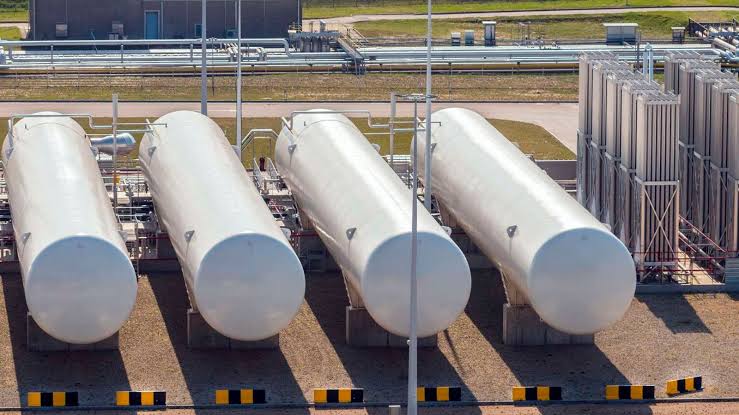
Specialized gas carrier vessels will deliver fuel directly to an offshore floating storage unit. Regulators at the Energy and Petroleum Regulatory Authority are structuring LNG supply frameworks with regional partners to guarantee continuous fuel deliveries.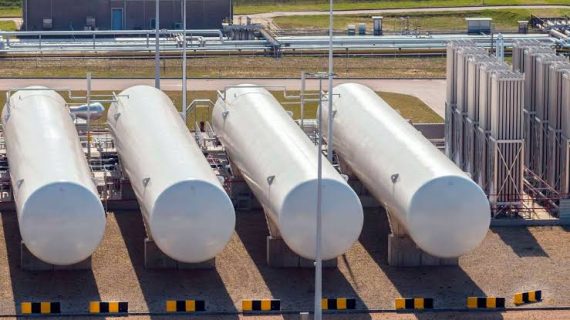
The project involves a total capital expenditure investment of Sh39 billion to secure between 200 megawatt and 400 megawatt of generation capacity.
Using imported LNG, engineers will moor the facility at a strategic offshore location in Dongo Kundu to optimize power evacuation.
The offshore facility offers distinct speed advantages over land-based thermal and hydro stations. Shipyards assemble powerships in controlled environments, allowing rapid deployment without lengthy land acquisition delays.
Furthermore, the unit will hook into existing coastal sub-stations, sending steady megawatts straight to heavy industrial consumers, regional water utilities, and commercial port operations.
Grid Integration for Floating Gas Power Plant Assets
The National Treasury and the Public Private Partnerships Directorate are structuring the project under a long-term concession model.
Private power producers will finance, build, and operate the powership before selling bulk electricity to Kenya Power through a structured power purchase agreement.
Energy CS Opiyo Wandayi highlighted that adding flexible thermal generation balances variable renewable energy from wind and solar farms.
- Rapid Deployment Schedule: Offshore power barges bypass civil site clearance, delivering power months faster than land facilities.
- Fuel Delivery Logistics: Dedicated LNG carrier ships will berth alongside the barge, transferring liquefied gas safely through cryogenic pipelines.
- Industrial Grid Support: Heavy power production stabilizes manufacturing plants, coastal pumping stations, and regional port terminals.
State engineers expect the project to create hundreds of technical marine and electrical engineering jobs during installation and commissioning. The floating plant marks a pivotal transition toward gas-to-power energy solutions in East Africa.
Project Fact Sheet
Name: Kenya Floating Gas-Powered Power Plant (Dongo Kundu Offshore LNG Powership).
Type: Offshore Floating Liquefied Natural Gas (LNG) Power Generation Station.
Location: Dongo Kundu Special Economic Zone Coastline, Mombasa County, Kenya.
Total investment: Sh39 billion (Approximately $300 million USD).
Developer: National Treasury (PPP Directorate) & Private Power Concessionaire.
Status: Project Planning & Transaction Advisory Procurement Phase.
Construction employment: Estimated 1,500+ specialized marine, civil, and electrical engineering roles.
Permanent employment: Multi-hundred permanent technical marine crew, power technicians, and gas handling specialists.
Timelines and production targets: Procurement phase active October 2026; Operational launch targeting 200 MW to 400 MW bulk power supply.
Technology integration: Floating Power Barge Turbines, Cryogenic LNG Transfer Pipelines, High-Voltage Marine Subsea Cables.
Raw material supply: Imported Liquefied Natural Gas (LNG) via regional supply partners and offshore tankers.
Economic impact: Prevents costly industrial blackouts, secures energy for coastal water pumping, and stabilizes voltage across national grids.
Key infrastructure needs: Offshore Mooring Systems, Subsea Transmission Cables, Onshore Substation Grid Interconnection.
Delivery risks: International LNG price volatility, fuel import supply chain disruptions, marine environmental compliance.
Primary target markets: Kenya Power and Lighting Company (KPLC) Grid, Coastal Industrial Parks, Regional Manufacturing Clusters.
Project Team
Contracting Authority & Developer: National Treasury of Kenya (PPP Directorate)
State Offtaker Partner: Kenya Power and Lighting Company (KPLC)
Primary Regulatory Stakeholders: Ministry of Energy and Petroleum, Energy and Petroleum Regulatory Authority (EPRA)
Regional Development Stakeholders: Coast Development Authority, Mombasa County Government



Leave a Reply