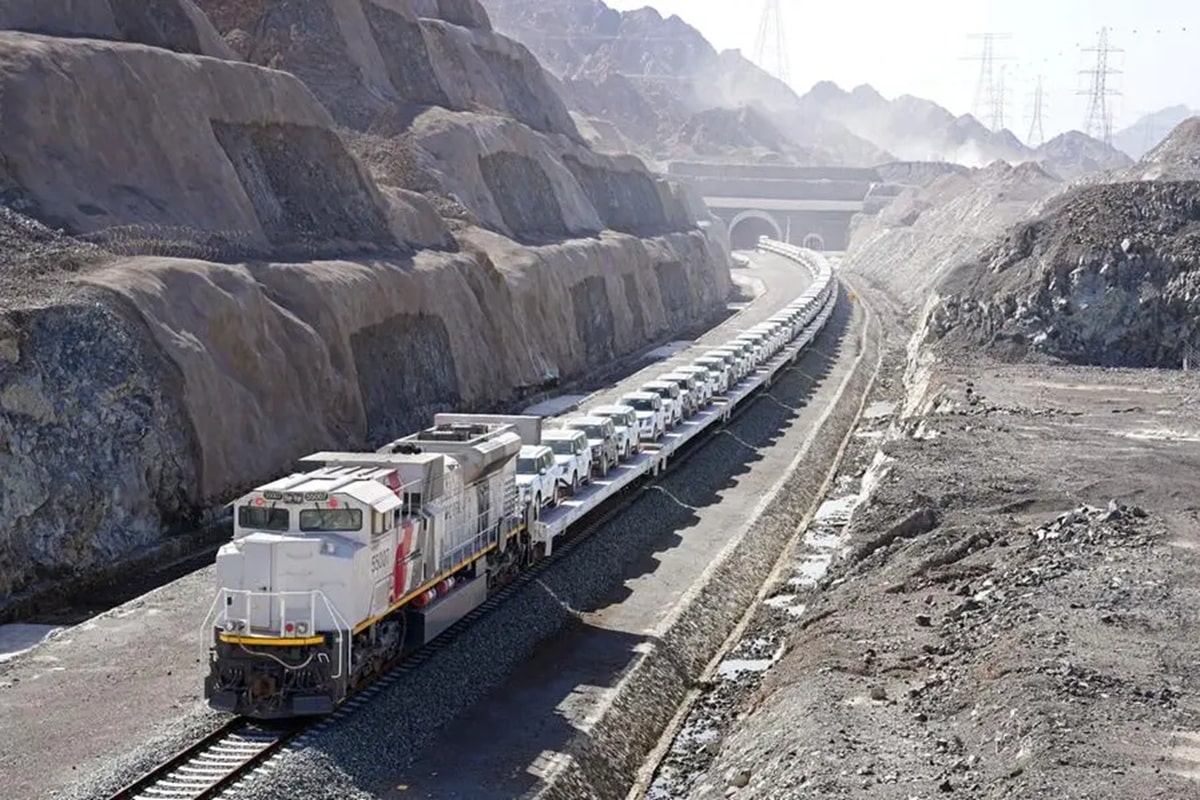
Gulf Cooperation Council (GCC) countries have inked a landmark railway agreement in Bahrain as work on the 1,700km network linking all six Gulf states surpassed 50 per cent completion. Full operations on the railway are scheduled to commence by December 2030.
The General Agreement for the GCC Railway Project was signed at Al Riffa Palace in Manama. This was on the sidelines of the 31st meeting of the GCC Ministerial Committee on Transport and Communications. Also, it marked a major step towards establishing a unified regional transport network.
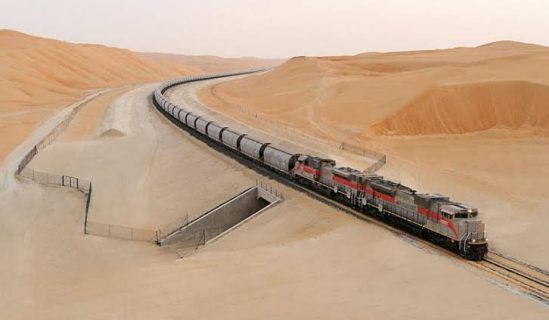
Furthermore, the railway project will link the UAE, Saudi Arabia, Bahrain, Kuwait, Oman and Qatar. Furthermore, it is expected to transform passenger and freight transport across the Gulf, strengthen cross-border connectivity and facilitate regional trade. Also, it showcases Saudi Arabia’s efforts in railway infrastructure development, with the country developing railway projects like the Qiddiya High-Speed Rail.
Projected Passenger and Freight Traffic Increase
Passenger traffic on the network is projected to increase from six million in 2030 to more than eight million by 2045. This will reflect the growing demand for rail travel between GCC countries.
Also, freight volumes are forecast to rise significantly, from 200 million tonnes in 2030 to 271 million tonnes by 2045, underscoring the project’s potential to enhance logistics efficiency, support supply chains and boost intra-GCC trade.
Significance of the Agreement
Moreover, the agreement establishes a framework for developing and operating an integrated railway network connecting the UAE, Saudi Arabia, Bahrain, Kuwait, Oman and Qatar.
Additionally, it focuses on four key pillars: project implementation, technical integration, coordination and regional connectivity. All these have the aim of ensuring seamless railway operations across national borders.
Albudaiwi described the agreement as an important milestone in strengthening Gulf integration in the transport sector and establishing a coordinated railway transport system across GCC countries.
Furthermore, he said the agreement would support the development and operation of a single, integrated and interoperable regional railway network, improving connectivity and facilitating the movement of passengers and goods between member states.
The GCC Secretary-General expressed his gratitude to the leaders of the six Gulf countries for their continued support of joint Gulf initiatives and their directives to advance strategic projects benefiting the region and its people.
Also, he praised the efforts of national teams and the Gulf Railway Authority in advancing the project, stressing its importance in supporting regional economic development and shared prosperity.
Impact of the Railway in the Region
Moreover, the railway project is expected to strengthen transport links between GCC countries, facilitate cross-border movement and support economic cooperation. It will achieve this by providing an integrated regional transport system.
Lastly, Albudaiwi said the project reflected the GCC’s commitment to building a more interconnected transport network. This network will be capable of supporting sustainable economic growth and meeting the aspirations of Gulf citizens.
Factsheet: GCC Regional Railway Project
Project Name: GCC Regional Railway (Gulf Railway)
Participating Member States: UAE, Saudi Arabia, Bahrain, Kuwait, Oman, and Qatar
Total Length: 2,100 km
Current Progress: Over 55% completed
Target Completion Date: December 2030
Governing Body: GCC Railways Authority
Projected Operational Impact
- Passenger Traffic: Projected to reach 6 million passengers per year at launch (2030), growing to over 8 million by 2045.
- Freight Transport: Forecasted at 200 million tonnes annually in 2030, expanding to 271 million tonnes by 2045.
Key Strategic Goals
- Establish an integrated, interoperable regional transport corridor across all six Gulf states.
- Streamline cross-border passenger travel and improve freight logistics efficiency.
- Also, it will strengthen supply chains, facilitate regional trade, and support long-term economic growth.



Leave a Reply