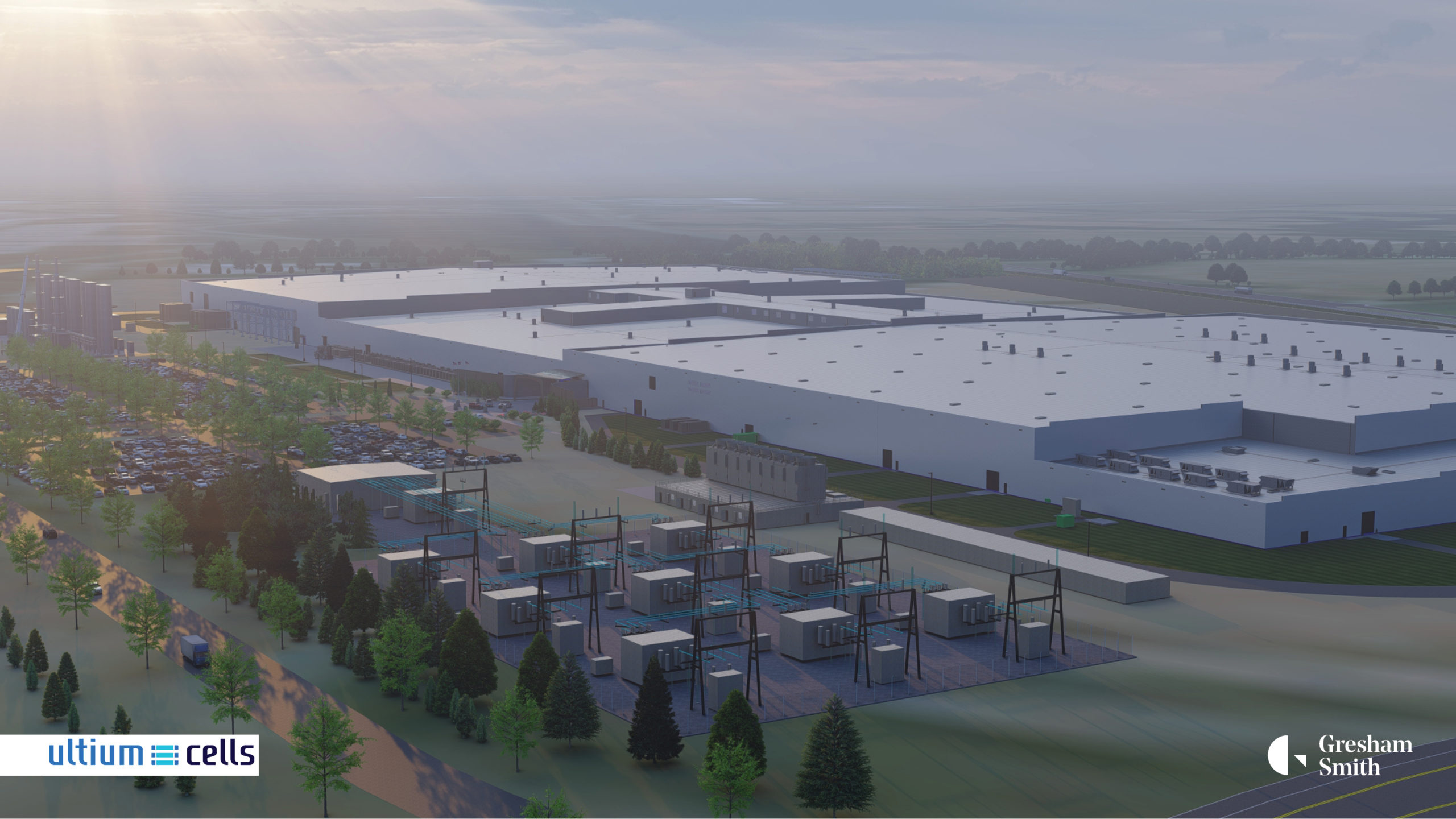
After a significant investment, Ultium Cells US plant upgrade for EV batteries is making strides. The $1 billion partnership between LG Energy Solution and General Motors is designed to improve operations. In particular, the Spring Hill, Tennessee plant will start manufacturing next-generation batteries soon. The new batteries are well engineered to reduce costs and increase energy density. This cutting-edge technology will therefore have a significant long-term impact on GM electric vehicles. This is a huge plant that is expected to be the first to mass produce lithium manganese-rich (LMR) cells.
In the end, this strategic investment reinforces the U.S. plant’s position as a world leader in battery production. The facility is not the only major industrial project making headway in the US. The Avio USA rocket motor plant is also making progress after a massive $500 million investment. In particular, the aerospace company broke ground in Pittsylvania County officially. This massive 900,000-square-foot manufacturing plant will create more than 1,500 new local jobs. Moreover, it is designed to manufacture solid rocket motors for defense and commercial space applications. The ambitious project brings new life to the Southern Virginia Multimodal Park in Hurt.
Outlook on the Ultium Cells US Plant Upgrade for EV Batteries
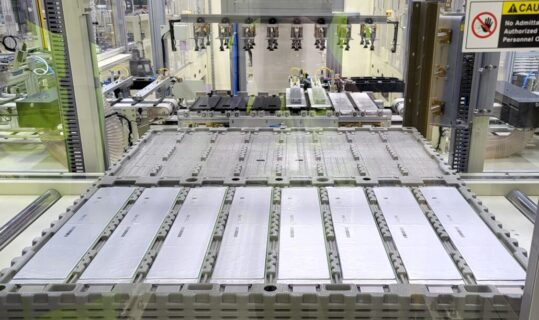
The massive Tennessee plant is a very complex engineering and technological project. These essential plant changes will officially start later this year. The developers then hope that the whole upgrade will be finished by 2028. In addition, this huge project will generate 500 new jobs and 1,200 current jobs. The plant will use LMR batteries, which replace the costly cobalt with cheaper manganese. As a result, these particular batteries have 33 percent more energy density than conventional LFP batteries. In total, the plant will be able to deliver high nickel, LFP and LMR chemistries in both pouch and prismatic formats.
Strategic Partnerships and Market Outlook
This huge manufacturing edge took decades of focused research and corporate collaboration. LG Energy Solution has been actively developing LMR technology for more than 10 years. Furthermore, they have already obtained their first patent in this area in 2010 and have recently filed 300 additional patents. LG and GM officially agreed to jointly develop these prismatic cells back in December 2024. As a result, they are looking to commercialize these cutting-edge LMR batteries for future GM vehicles. This investment is to meet changing demands, said Ultium Cells President Injae Pahk. Ultimately, this $1 billion investment heavily strengthens their dominance within the highly competitive US battery industry.
Project Overview
- Project Value: $1 Billion (1.36 trillion won)
- Location: Spring Hill, Tennessee
- Developer: Ultium Cells (LG Energy Solution & General Motors JV)
- Status: Upgrades begin this year; completion slated for 2028
Scope
- Plant modification for lithium manganese-rich (LMR) cell production
- Manufacturing both pouch and prismatic battery formats
- Expansion of energy storage system (ESS) cell production
- Integration of high-nickel, LFP, and LMR chemical lines
Project Highlights
- World’s first facility to mass-produce prismatic LMR cells
- LMR technology offers 33% higher energy density than LFP cells
- Creates 500 new jobs alongside the existing 1,200 workforce
- Reduces battery costs by utilizing manganese instead of expensive cobalt
Key Developments
- Plant modifications will officially kick off later this year
- LG Energy Solution and GM previously agreed to jointly develop prismatic cells in 2024
- The plant began producing LFP cells for energy storage in June
- LG has filed over 300 LMR-related patents recently
Key Challenges
- Safely modifying an active, massive battery manufacturing facility
- Perfecting the mass-production process for complex new LMR chemistries
- Meeting aggressive 2028 completion deadlines seamlessly
- Responding quickly to rapidly shifting US electric vehicle market demands
Outlook
- Facility upgrades will conclude entirely by 2028
- Massive $1 billion total investment rolls out through 2030
- Will supply advanced, cheaper batteries for future GM electric vehicles
- Strengthens LG and GM’s dominance in the US battery sector



Leave a Reply