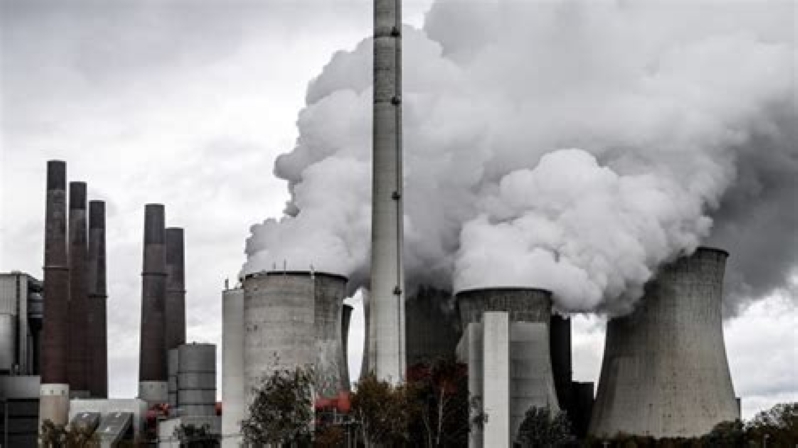
Germany has awarded approximately €12 billion (US$13.4 billion) in contracts for new gas-fired power plants, with LEAG and RWE emerging as the main winners in the first round of a major electricity supply security program.
The awards cover 5.16GW of new dispatchable power capacity. It is forms part of Germany’s strategy to replace coal-fired electricity generation while maintaining reliable power supplies as the country expands renewable energy.
LEAG, owned by Czech billionaire Daniel Kretinsky’s EP Group, secured approximately 3GW of capacity, while RWE received contracts covering 2.12GW. Utility Uniper, meanwhile, did not secure capacity in this initial round.
The contracts will support the construction of new gas-fired power stations and the conversion of existing power generation sites to gas-based operations. The facilities are intended to provide electricity when wind and solar generation cannot sufficiently meet demand.
Additionally, the successful projects are expected to make their capacity available by 2031 at the latest, supporting Germany’s transition away from coal-fired power generation.
LEAG secures seven new gas power plants in Germany
LEAG emerged as the largest beneficiary of the first tender, securing contracts for seven new gas-fired power plant blocks across three locations: Janschwalde in Brandenburg, Boxberg in Saxony and Leipheim in Bavaria.
The company’s projects have a combined installed capacity of approximately 3,680MW. This is equivalent to around 2,998MW under the reduced-capacity measurement used in the tender.
In the Lusatia region, LEAG plans to develop four new gas-fired power generation blocks, each with a capacity of approximately 560MW, at its existing Janschwalde power station site. Two additional blocks are planned at the Boxberg power station in Saxony.
The remaining project involves a 320MW gas-fired power station at Leipheim in Bavaria. It will be adjacent to an existing gas turbine facility operated by LEAG since 2023.
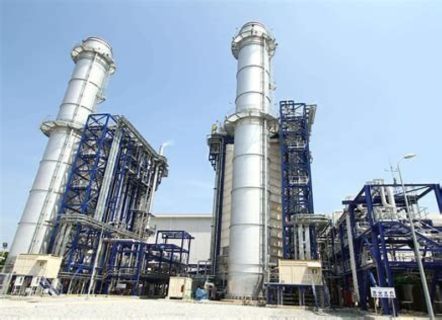
The projects will also use previously developed energy infrastructure. They are also designed to be hydrogen-ready, allowing for the potential use of hydrogen as the energy system evolves.
According to LEAG, reusing existing power station sites, grid connections and selected technical infrastructure will help reduce construction costs and material requirements. It will also shorten project implementation timelines.
The company also estimates that its investment across the seven facilities will amount to approximately €1.5 billion to €2 billion.
RWE to construct three hydrogen-compatible power stations
RWE secured contracts for three new gas-fired power stations with a combined tender capacity of approximately 2,100MW.
The projects will be developed at Voerde, Werne and Weisweiler, all located in North Rhine-Westphalia, one of Germany’s major industrial regions.
The planned facilities comprise:
- Voerde: 730MW of tender capacity.
- Weisweiler: 700MW of tender capacity.
- Werne: 700MW of tender capacity.
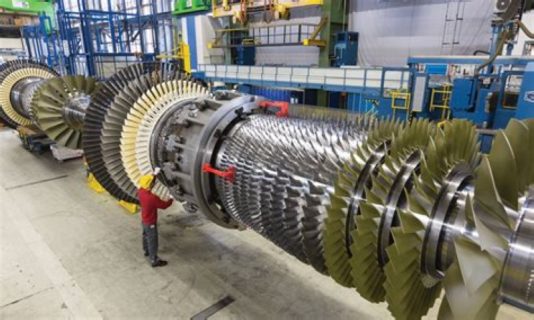
The facilities will use also combined-cycle gas turbine technology and will be designed to accommodate hydrogen in the future.
RWE said it had already undertaken preliminary development work, including commissioning international engineering consortia to prepare regulatory approval documentation. The company has also secured manufacturing capacity for key equipment and initiating permitting procedures.
RWE expects construction of the first facility to begin within weeks of the November 3, 2026 contract award.
Furthermore, the projects form part of RWE’s wider investment strategy in flexible electricity generation. The company plans to invest approximately €9 billion in flexible generation, battery storage and hydrogen production facilities by 2031.
RWE currently operates approximately 4.2GW of gas-fired generation capacity in Germany.
New gas power plants program supports coal phase-out goal in Germany
The awards represent an important component of Germany’s efforts to maintain electricity supply reliability as it progressively retires coal-fired power stations.
Although the country has invested heavily in wind and solar generation, the intermittent nature of these energy sources creates periods when electricity production may fall below demand.
New gas-fired power stations are expected to provide flexible, dispatchable generation during these periods, particularly when wind and solar output is insufficient.
The facilities will also operate alongside renewable energy installations and energy storage systems rather than replacing the country’s renewable energy expansion program.
Under the tender arrangements, the successful projects will receive capacity payments over a 15-year period to ensure that the facilities remain available when required.
The average awarded price was approximately €155,296 per megawatt, below the maximum permitted price of €244,000 per megawatt.
Additionally, the subsidy costs will ultimately be passed on to electricity consumers through an additional levy.
Further tenders planned under Germany’s €35.2 billion program
The November 3 awards represent the first stage of a broader German power generation procurement program targeting approximately 11GW to 12GW of new capacity.
Additionally, the wider program could cost up to €35.2 billion, with additional tender rounds expected in December 2026 and 2027.
The Federal Network Agency is expected to announce the date of the next tender on November 10, 2026.
Furthermore, the first round attracted substantial interest from electricity generators, reflecting growing demand for reliable generation capacity as Germany restructures its power system.
The successful bidders will also benefit from the potential to reuse existing industrial sites. This will reduce some of the infrastructure development requirements associated with completely new power station locations.
As Germany continues to retire coal-fired generation and increase its dependence on renewable electricity, the planned gas power stations will form part of the country’s transitional electricity infrastructure. They will also provide backup capacity while the wider energy system undergoes transformation. This is while the wider European Union plans for a €1.2 trillion electricity grid modernization program with an aim to modernize ageing transmission networks and improve the region’s energy security.
Fact sheet for new gas power plants awarded in Germany
First-round contract value: €12 billion
First-round awarded capacity: 5.16GW (tender capacity)
Total program target: 11–12GW
Potential overall program cost: Up to €35.2 billion
Successful companies: LEAG and RWE
LEAG awarded capacity: 2,998MW
RWE awarded capacity: 2,120MW
LEAG installed project capacity: 3,680MW
Technology: Gas-fired power generation. Also includes combined-cycle gas turbine technology
Fuel flexibility: Hydrogen-ready facilities
Expected availability: By 2031 at the latest
Contract support period: 15 years
Further tender rounds: December 2026 and 2027
Project Team
LEAG – Developer of seven gas-fired power plant blocks at Janschwalde, Boxberg and Leipheim.
RWE – Developer of three hydrogen-compatible gas-fired power stations at Voerde, Werne and Weisweiler.
EP Group – Parent company of LEAG.
Federal Network Agency (Bundesnetzagentur) – Tender administration and capacity allocation.
German Federal Government – Energy policy, program framework and electricity supply security.
Katherina Reiche – Federal Minister for Economic Affairs and Energy.


Leave a Reply