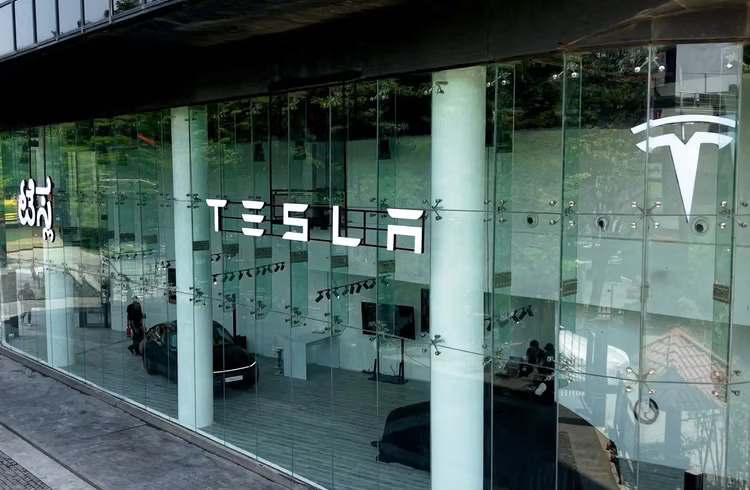
Grünheide Cybercab factory expansion is set to reshape Germany’s automotive manufacturing landscape through a €3 billion investment in additional production infrastructure near Berlin. The proposed development will expand Tesla’s existing Gigafactory in Grünheide, Brandenburg, with dedicated manufacturing capacity for its autonomous Cybercab robotaxis.
The project aims to establish annual production capacity of up to one million vehicles, potentially making the facility Germany’s largest automotive manufacturing plant by capacity. Construction is scheduled to begin during the first half of 2027, while vehicle production could commence in 2029.
Furthermore, the expansion represents a significant industrial investment as Germany’s established automakers navigate declining demand, rising costs and intensifying competition from Chinese manufacturers.
Grünheide Cybercab Factory Expansion Targets 2027 Construction
The proposed expansion will introduce an additional production facility within Tesla’s existing Gigafactory complex. The development will increase the site’s manufacturing footprint and support large-scale production of autonomous electric vehicles.
Tesla plans to submit the building permit application before the end of 2026. Subsequently, construction activities should commence during the first half of 2027, subject to the necessary approvals.
According to Reuters, the company targets production commencement in 2029. Its longer-term objective involves manufacturing up to one million Cybercab robotaxis annually at the German facility.
However, Tesla has not disclosed the proposed building’s dimensions, construction area or detailed engineering specifications. It has also not announced the construction contractor, architectural consultant or principal engineering partners.
The investment could transform Grünheide into a major European manufacturing centre for autonomous mobility technology. Moreover, the development would strengthen Germany’s position in advanced automotive manufacturing.
The existing Gigafactory opened in March 2022 and currently manufactures Model Y vehicles. Tesla has recently increased production activity and recruited more than 2,000 additional employees.
Additionally, the company targets the commencement of battery-cell production at Grünheide from mid-2027. This initiative will further expand the site’s manufacturing capabilities and industrial importance.
Grünheide Cybercab Factory Expansion Could Transform German Automotive Manufacturing
The proposed development comes as Germany’s automotive industry faces significant structural challenges. Volkswagen, Mercedes-Benz and BMW have encountered pressure from Chinese competition and changing market conditions.
Consequently, several established manufacturers are considering workforce reductions, restructuring programmes and potential factory closures. Tesla’s proposed investment therefore introduces a contrasting expansion strategy within Germany’s automotive sector.
The project also carries potential employment benefits for Brandenburg. Tesla expects to recruit several hundred additional workers during the initial construction and production-planning stages.
Nevertheless, questions remain about the expansion’s long-term employment contribution. Greater manufacturing automation could limit permanent workforce requirements despite the substantial investment.
Automotive analyst Matthias Schmidt has questioned how much employment the development will sustain. He highlighted the need to distinguish temporary construction opportunities from permanent manufacturing positions.
Furthermore, Tesla’s existing operations have experienced environmental opposition and labour disputes. Local residents previously raised concerns about water resources and the environmental implications of expanding the Grünheide industrial complex.
The company has also experienced disagreements with IG Metall, Germany’s influential manufacturing union. These challenges could influence the project’s implementation and its relationship with surrounding communities.
Meanwhile, the Cybercab’s commercial prospects remain an important consideration. The vehicle has yet to establish large-scale commercial sales, despite Tesla’s ambitious production targets.
Therefore, the proposed manufacturing capacity represents a significant commitment to the future of autonomous transport. Its commercial success will ultimately depend on market adoption, regulatory approval and manufacturing efficiency.
Grünheide Cybercab Factory Expansion Aligns With Tesla’s Production Restructuring
The German development also forms part of Tesla’s broader manufacturing strategy. The company plans to wind down Cybertruck production at its Austin, Texas, facility towards summer 2027.
This decision could free manufacturing capacity for additional Cybercab production. Consequently, Tesla intends to strengthen robotaxi manufacturing across its international production network.
The Grünheide investment could also position the German facility as a major production hub. However, achieving one million vehicles annually will require substantial manufacturing infrastructure and successful market expansion.
Importantly, the 2029 production target remains dependent on construction progress and regulatory requirements. The building permit application represents the next significant milestone before physical construction begins.
If completed as planned, the development will substantially increase Grünheide’s industrial capacity. It will also introduce a new manufacturing dimension to Germany’s evolving electric mobility sector.
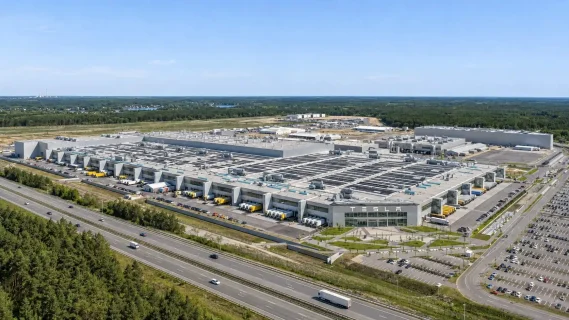
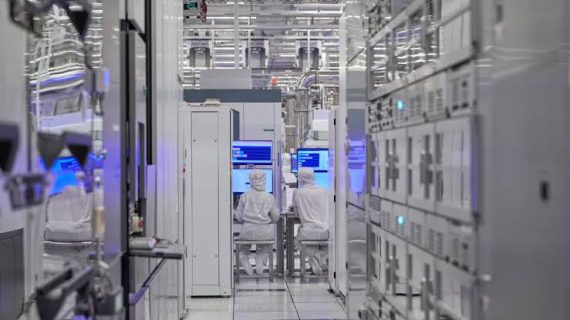
The Grünheide expansion adds to Germany’s growing pipeline of major industrial construction investments. Similarly, Infineon is advancing its €5 billion semiconductor manufacturing plant in Dresden, supported by €920 million in European Union funding. The Infineon €5 billion Dresden plant receiving €920 million EU funding highlights Germany’s broader commitment to strengthening domestic manufacturing capacity. Together, the developments underline the country’s efforts to reinforce its position in strategic automotive and technology supply chains.
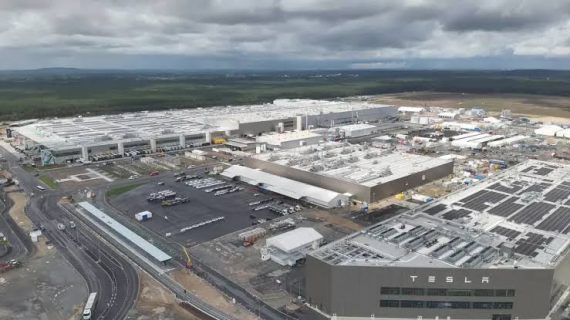
Project Fact Sheet
Name: Grünheide Cybercab Factory Expansion.
Location: Grünheide, Brandenburg, near Berlin, Germany.
Developer: Tesla, Inc.
Estimated Investment: €3 billion
Type: Automotive manufacturing facility expansion.
Development Scope: Construction of an additional production facility within Tesla’s existing Gigafactory complex.
Primary Production Focus: Autonomous Cybercab electric robotaxis.
Planned Annual Production Capacity: Up to one million Cybercab vehicles.
Building Permit Application: Expected before the end of 2026.
Expected Construction Commencement: First half of 2027.
Targeted Production Commencement: 2029.
Initial Employment Opportunities: Several hundred additional workers during construction and production planning.
Existing Facility Opening: March 2022.
Existing Manufacturing Operations: Model Y vehicle production.
Additional Industrial Development: Battery-cell production targeted from mid-2027.
Project Status: Planned expansion awaiting building permit application and construction commencement.
Project Team
Developer and Investor: Tesla, Inc.
German Manufacturing Operations: Tesla Grünheide management
Planning and Development: Tesla, Inc.
Construction Contractor: Not yet publicly announced.
Architectural Consultant: Not yet publicly announced.
Structural Engineering Consultant: Not yet publicly announced.
Mechanical and Electrical Engineering Consultants: Not yet publicly announced.
Environmental Consultants: Not yet publicly announced.

Leave a Reply