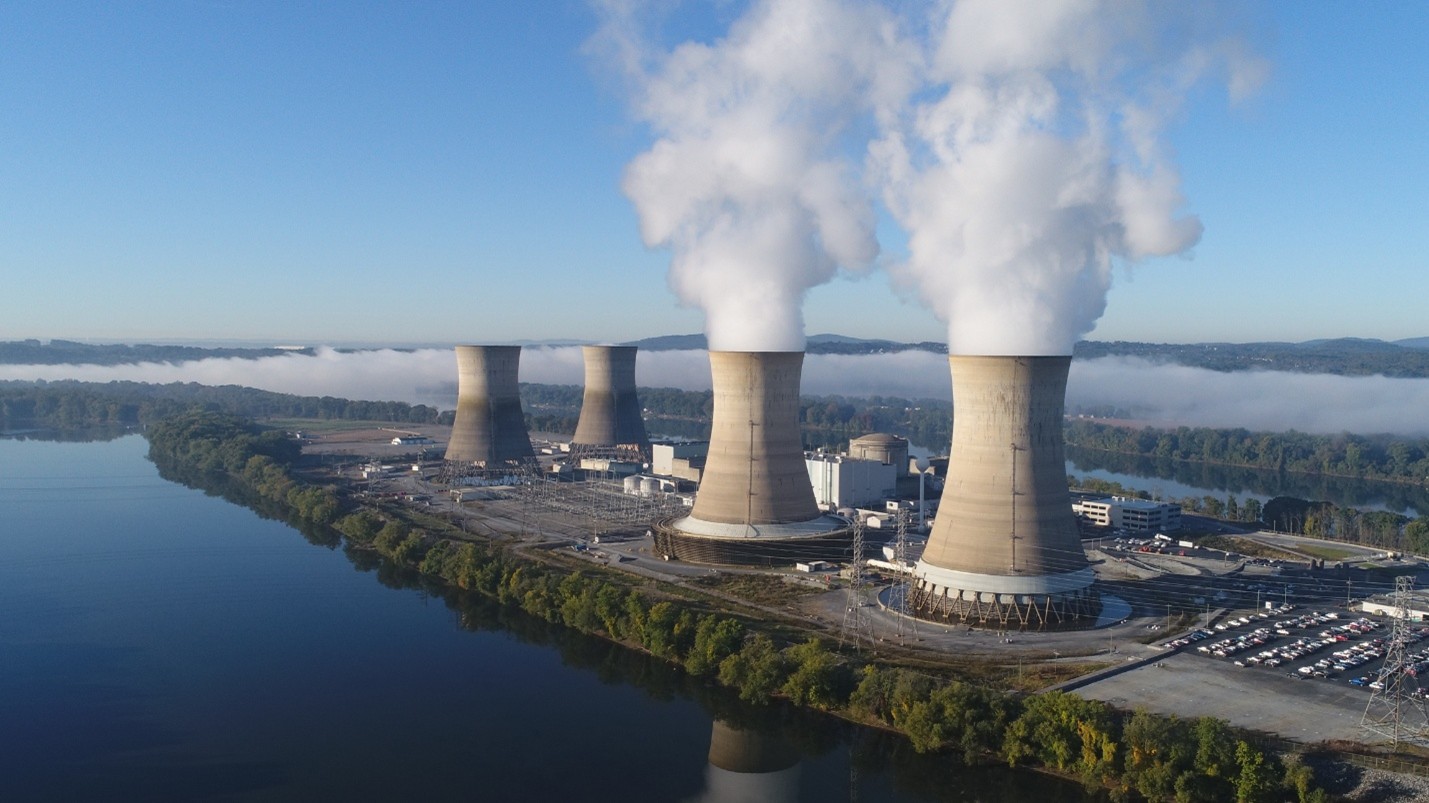
Google and Constellation Energy has made an announcement revealing a long-term partnership that will foresee the addition of 890 megawatts of new nuclear capacity to the PJM power grid. This partnership comes in amidst the rising electricity demand from AI and digital infrastructure as pressure increases on US power supplies.
Key Details of the Agreement
As outlined in the 20-year power purchase agreement, Constellation will invest more than $4.3 billion to upgrade 11 nuclear units in Illinois, Pennsylvania and New Jersey. The improvements will deliver additional output equivalent to a large new nuclear reactor, with the first capacity due in 2028. The companies also signed a 15-year agreement covering another 2,700 MW of existing generation.
Separately, Constellation will deploy Google Cloud and Gemini Enterprise under a five-year technology partnership aimed at improving grid planning, generation efficiency, and infrastructure security.
Nuclear Power Emerges as a Key Pillar of the AI Infrastructure Boom
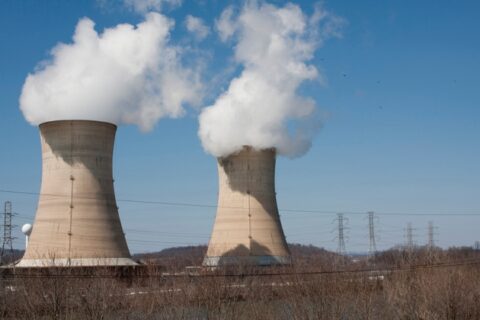
This deal between Constellation and Google clearly highlights that nuclear power is a key driver for the development of AI infrastructure. The explosion of artificial intelligence is creating an unprecedented demand for continuous electricity. Data centers run around the clock and require stable, continuous energy. Renewables like solar and wind are clean, but their supply fluctuates with the weather. Nuclear power fills this void by offering round-the-clock carbon-free energy at a massive scale. Because tech companies have strict climate goals, nuclear has transformed from an aging energy source into a vital driver of the AI boom.
Industry leaders are placing massive bets on nuclear generation to back their long-term compute needs. Constellation Energy is reactivating retired plants and upgrading existing reactors through multi-billion-dollar deals with major cloud providers. At the same time, next-generation innovators are building advanced reactors from the ground up. TerraPower, backed by Bill Gates, is constructing its sodium-cooled Natrium fast reactor in Wyoming to offer flexible, low-cost power designed for modern grid challenges. By pairing traditional nuclear upgrades with cutting-edge advanced reactors, tech giants and energy suppliers are securing the clean baseload power required to keep the AI revolution running.
Factsheet: Google and Constellation Nuclear Power Partnership
Capital Investment: $4.3+ billion (funded by Constellation Energy)
New Nuclear Capacity: 890 MW (equivalent to adding a new large-scale reactor)
Existing Capacity Covered: 2,700 MW
Total Deal Scope: 3,600 MW across the PJM grid
Timeline: First capacity online by 2028
Agreement Structure
Component, Term Length, and Target Scope
New Capacity PPA: 20 years; Purchasing 890 MW from efficiency uprates across 11 units
Existing Capacity PPA: 15 years; Preserving and securing 2,700 MW of running operational assets
Technology Alliance: 5 years; Deploying Google Cloud & Gemini Enterprise for grid efficiency
Locations and Operational Scope
Target Grid: PJM Interconnection (serving 67 million people across Mid-Atlantic and Midwest states)
Facility Sites: 11 nuclear units spread across 6 plant locations in Illinois, Pennsylvania, and New Jersey
Methodology: Physical plant efficiency uprates (upgrading turbines, generators, and thermal capacity) rather than building new reactors from scratch
Technology Integration
Constellation will implement Google Cloud and Gemini Enterprise.
Focus areas: AI-assisted grid planning, nuclear generation efficiency, and infrastructure security.
Integrates load-shaping and demand-response to curtail non-critical data center power consumption during peak grid stress.
Economic and Labor Impact
Sustained Employment: Preserves 4,400 existing union and operational positions.
Construction Impact: Expected to generate 7,200 skilled construction jobs during the upgrade cycle.




Leave a Reply