
The Google Wyoming data centre project involves a planned US$17 billion investment in the company’s first data centre in Wyoming. The development will be located in Laramie County, near Cheyenne. It marks a major expansion of AI infrastructure in the state. Meanwhile, Google is partnering with Tallgrass Energy, Black Hills Energy, American Electric Power (AEP) and Related Digital. Together, they will develop computing infrastructure supported by a dedicated energy supply strategy. Additionally, the investment will strengthen Google’s cloud computing and AI services. It is also expected to generate economic activity across southeastern Wyoming.
The project is planned for the Switchgrass Industrial Park area, about eight miles south of Cheyenne. Earlier plans identified a site covering approximately 716 acres. The development is expected to include four data halls, offices, logistics facilities and network infrastructure. Additionally, supporting infrastructure will serve the data centre operations. However, Google has not confirmed the final computing capacity. Similarly, its November announcement did not provide a complete construction schedule.
The announcement follows earlier site preparations under Project Jade, which was associated with Crusoe and Tallgrass. However, Google is now identified as the intended data centre operator and investor. Its subsidiary, Jupiter Star Holdings, is also involved in the development. Additionally, the US$17 billion represents a long-term investment programme.
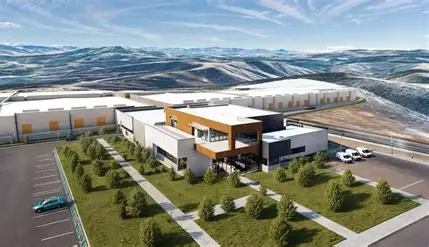
Google Wyoming Data Centre Project Fact Sheet
Project: Google Wyoming Data Centre, also associated with Project Tembo
Location: Laramie County, near Cheyenne, Wyoming, USA
Developer and intended operator: Google
Announced investment: US$17 billion long-term investment in Wyoming
Site: Approximately 716 acres reported in earlier planning coverage
Planned facilities: Data halls and associated office, logistics, network and utility infrastructure
Power strategy: Fuel cells, natural gas generation and electricity supplied through a managed resource portfolio
Fuel-cell development: 702 MW, with carbon capture and storage (CCS)
Fuel-cell supplier: Bloom Energy
Energy partners: American Electric Power, Black Hills Energy and Tallgrass Energy
Data centre development partner: Related Digital
Carbon storage destination: Tallgrass’s Eastern Wyoming Sequestration Hub
Cooling approach: Air-cooled data centre design
702 MW Fuel Cell Project Supports Data Centre Power Supply
A key component of the development is a planned 702 MW fuel-cell power project contracted with AEP. The system will use natural gas to generate electricity through electrochemical reactions rather than conventional combustion. Meanwhile, Bloom Energy is expected to supply the fuel-cell equipment. AEP will own and operate the installation.
The fuel-cell installation will incorporate carbon capture and storage. Additionally, Tallgrass plans to store the captured carbon dioxide at its nearby Eastern Wyoming Sequestration Hub. The company is developing the hub for permanent geological storage. Google says the system aims to capture and permanently store most of the fuel-cell facility’s carbon emissions. However, actual capture rates will depend on final engineering, equipment performance and the operation of the capture and storage facilities.
In addition to the fuel cells, Google expects to obtain electricity from natural gas generators operated by Tallgrass Energy and Black Hills Energy. Meanwhile, Tallgrass is conducting a front-end engineering and design study. The study will assess retrofitting its combined-cycle gas turbines with carbon capture technology. Together, these arrangements aim to provide reliable and sufficient power for the computing campus.
Black Hills plans to invest US$1.8 billion between 2027 and 2029. The funding will support 564 MW of new company-owned natural gas generation at its existing Cheyenne Prairie Generating Station. Additionally, the utility will provide up to 590 MW of grid-connected service. It will also manage approximately 2.1 GW of third-party contracted resources through a private microgrid. Together, the arrangements form a 2.7 GW energy supply mix, including reserve margins. However, this figure does not represent the data centre’s computing capacity, which Google has not disclosed.
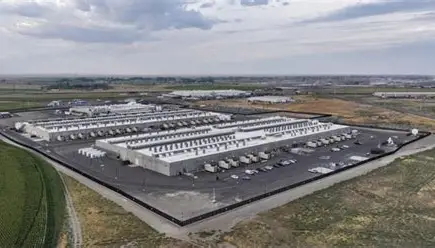
Construction Scope, Cooling and Water Management
The campus will require data halls, electrical and mechanical systems, network facilities and internal roads. Additionally, construction will include service areas and connections to the power supply. These facilities will support high-density computing equipment. This includes servers and networking hardware for AI workloads and cloud services.
Google says the Wyoming data centre will use air cooling to reduce pressure on local water resources. This is particularly important in a region where water availability affects industrial and community development. Additionally, Google has pledged to pay for all the electricity it consumes. The company will also cover infrastructure costs directly linked to its expansion.
The project’s power strategy nevertheless involves substantial natural gas infrastructure. Although carbon capture is planned for the fuel-cell installation and is being evaluated for Tallgrass’s combined-cycle turbines, the emissions benefits will depend on the proportion of carbon dioxide captured, the reliability of storage operations and the wider lifecycle emissions of the energy system. These details will be important as the project progresses through engineering and implementation.
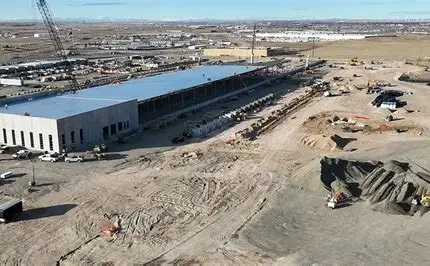
Investment, Jobs and Community Engagement
Google expects the investment to generate hundreds of millions of dollars in local property taxes for Laramie County and School District 1. The company has also identified education, workforce development, skilled-trades training and support for local entrepreneurs as areas for community investment. Google and its partners are establishing a Community Council intended to address local concerns and identify ways to manage the effects of data centre growth.
Earlier planning estimates indicate that the project could employ around 2,500 workers during peak construction. Additionally, the completed facility could create approximately 250 permanent operational jobs. However, these figures remain preliminary.
The development also arrives amid wider debate over the electricity, water, land and infrastructure requirements of large AI data centres. Its eventual impact will depend on construction phasing, power demand, permitting, local infrastructure upgrades and the effectiveness of its environmental measures.
Google Wyoming Data Centre Project Team
Google: Investor and intended data centre operator.
Tallgrass Energy: Energy infrastructure partner, gas generation partner and developer of the Eastern Wyoming Sequestration Hub.
Black Hills Energy: Electricity and natural gas generation partner.
American Electric Power (AEP): Contracted power partner and owner/operator of the planned fuel-cell installation.
Bloom Energy: Supplier of the 702 MW fuel-cell equipment.
Related Digital: Data centre development partner.
Jupiter Star Holdings, LLC: Google subsidiary associated with the site’s development.
Google Wyoming Data Centre Project Outlook
Google’s Wyoming data centre represents a major planned investment in AI and cloud infrastructure. It will be supported by fuel cells, natural gas generation and carbon capture technology. Meanwhile, the immediate priorities include engineering, power infrastructure development and site preparation. Regulatory coordination and community engagement will also be essential. Additionally, the project is expected to support regional employment and tax revenues. However, its final capacity, construction schedule and environmental performance will become clearer as detailed planning advances.



Leave a Reply