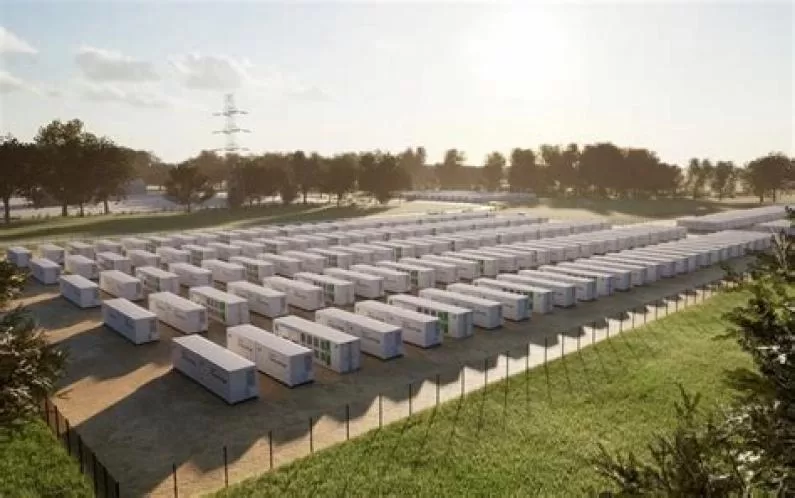
The Gurīn Energy Fukushima energy storage project is a standalone lithium ion battery system located in Soma City, Japan, where Saft was selected in June 2025 to supply more than 1 GWh of storage. The latest confirmed status is that construction was expected to begin in 2026, and energy trade reporting describes this as the first phase of a planned 2 GWh complex.
Gurīn Energy Fukushima Project Revenue Model and Digital Power Demand Context
Gurīn expects most revenue to come from a tolling agreement, with the batteries also providing ancillary services and easing renewable curtailment, according to Energy Storage News. Rising digital power demand adds context, as the AirTrunk TOK1 data center upgrade in Inzai shows, with first liquid cooled AI capacity expected in January 2028.
Project Overview
- Project Name: Gurīn Energy Fukushima Energy Storage Project
- Location: Soma City, Fukushima Prefecture, Japan
- Developer and Owner: Gurīn Energy
- Project Type: Standalone lithium ion battery energy storage system
- Capacity: Over 240 MW for four hours, more than 1 GWh in the first phase
- Planned Scale: 2 GWh complex, per Energy Storage News
- Project Value: Not publicly disclosed for the first phase; a December 2023 plan put a 2 GWh project at ¥91 billion ($600 million), per Gurīn
- Technology Supplier: Saft, covering the battery system, installation, commissioning and servicing
- Construction Start: Expected in 2026, not yet confirmed in reporting reviewed
- Revenue Model: Mainly a tolling agreement, per Gurīn
Project Team
- Developer and Owner: Gurīn Energy
- Battery Supplier and Service Provider: Saft, a subsidiary of TotalEnergies
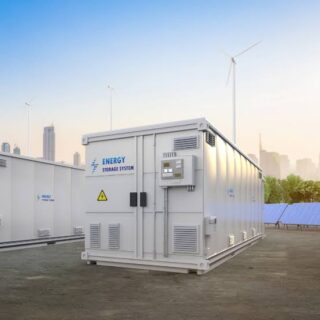
Tokyo, June 12, 2025 – Gurīn Energy has appointed Saft, a subsidiary of TotalEnergies, as the supplier for its flagship 1-gigawatt-hour (GWh) energy storage project in Fukushima, Japan. The project is a milestone in Japan’s renewable energy transition and will significantly support the integration of clean power into the national grid.
Major boost for Japan’s renewable energy strategy
The Gurīn Energy energy storage project in Fukushima will be located in Soma City and is designed to deliver 240 megawatts (MW) of power for four hours. Construction is scheduled to begin in 2026. Saft’s lithium-ion BESS will play a vital role in storing excess electricity and releasing it when demand rises, thereby helping to balance the supply-demand equation in real time.
“This project is a major step for Japan’s energy transition,” said Vincent Le Quintrec, Sales and Marketing Director, Saft. “Our proven expertise in battery systems, coupled with Gurīn Energy’s strong renewable development capabilities, will help accelerate Japan’s climate ambitions.”
Also Read: World’s Largest BESS Project in Saudi Arabia Announces Prequalified Bidders: 8GWh Battery Storage
Smart battery systems and AI-powered management
The system will include Saft’s fully integrated lithium-ion battery technology, power conversion systems, and its advanced I-Sight cloud platform, which uses AI for predictive performance monitoring and energy optimization. Saft will also manage installation, commissioning, and maintenance, offering a complete energy storage solution.
According to Gurīn Energy’s Japan Country Manager Ushio Okuyama, “Our energy storage project in Fukushima will enhance flexibility across Japan’s power grid. We are proud to partner with Saft and confident in our shared mission to accelerate Asia’s clean energy transition.”
Strategic support for national energy goals
The large-scale battery installation supports Japan’s goal of achieving 40–50% renewable energy in its generation mix by 2040 and carbon neutrality by 2050. With renewable energy currently accounting for 27% of national power, projects like Gurīn Energy’s energy storage project in Fukushima are essential for sustainable growth.
FACTSHEET: Gurīn Energy BESS Project, Fukushima
- Project name: Gurīn Energy energy storage project in Fukushima
- Capacity: Over 1 GWh storage / 240 MW discharge for 4 hours
- Location: Soma City, Fukushima Prefecture, Japan
- Technology partner: Saft (TotalEnergies subsidiary)
- Technology: Lithium-ion BESS with AI-powered management
- Construction start: 2026
- Purpose: Grid balancing, renewable integration, carbon neutrality support
- Target impact: Help Japan reach 40–50% renewables by 2040


Leave a Reply