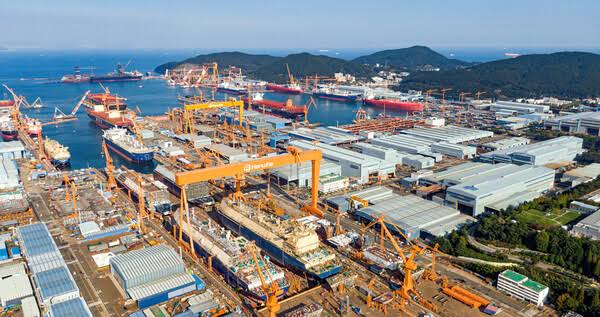
In an official regulatory disclosure dated November 25, 2026, Hanwha Ocean confirmed that it would not participate in the project. The company stated that it had reached the decision after comprehensively reviewing the relevant circumstances. However, it did not provide a specific reason for its withdrawal.
Meanwhile, the project faces growing financial considerations. Its estimated investment has increased from approximately KRW4.8 trillion to KRW6 trillion, equivalent to about US$4.1 billion. Additionally, higher equipment prices and increased construction costs have contributed to the rise. Nevertheless, Hanwha Ocean has not officially identified cost escalation as the reason for its decision.
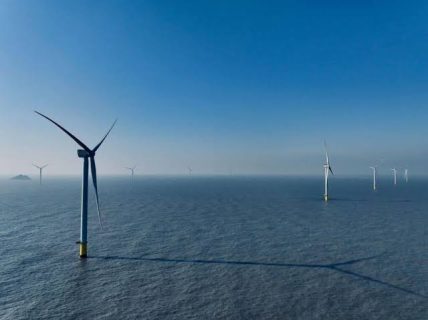
800MW Buan Offshore Wind Project Development
Meanwhile, the KHNP-led consortium was selected as the preferred negotiation partner on June 29, 2026. This followed an evaluation of the consortium’s project implementation capabilities, public interest considerations and plans to cooperate with local communities.
The tender also required participating consortiums to have a combined public-sector equity stake of at least 50%. This measure aimed to encourage greater community involvement in the project. Before Hanwha Ocean’s withdrawal, the consortium brought together public energy companies, engineering contractors, equipment manufacturers and financial institutions. The consortium was tasked with advancing the project towards a formal implementation agreement with Jeonbuk Province.
Construction is targeted to begin in the second half of 2028, with completion planned for 2030. However, Hanwha Ocean’s departure introduces a change to the original consortium structure. The remaining participants will need to determine how the project’s responsibilities and investment arrangements will be managed.
Implications of Hanwha Ocean’s Offshore Wind Withdrawal for South Korea’s Energy Sector
Hanwha Ocean’s decision highlights the financial and delivery challenges facing large offshore wind developments in South Korea. In particular, these projects require substantial upfront investment in turbines, foundations, offshore installation, grid connections and supporting marine infrastructure.
Furthermore, construction cost increases can affect project financing and expected returns. Developers must also manage permitting requirements, grid connection arrangements and engagement with coastal communities.
Nevertheless, the withdrawal does not necessarily signal the cancellation of the Buan project. Additionally, KHNP and the other consortium members remain central to the development process. Subsequently, the revised consortium structure and investment arrangements will shape the project’s next steps.
Meanwhile, the project remains part of Jeonbuk Province’s wider 2.4GW offshore wind ambition. As a result, its progress will be significant for South Korea’s efforts to expand offshore renewable energy capacity and strengthen domestic supply-chain capabilities.

Leave a Reply