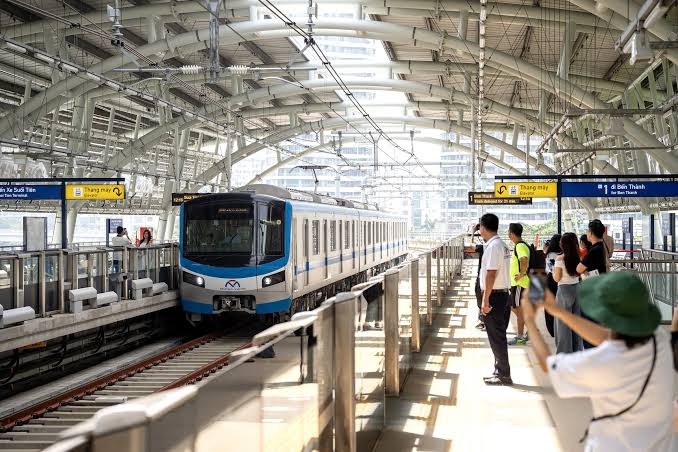
Ho Chi Minh metro extension could gain up to $2.5 billion in UK-backed financing as Vietnam accelerates major transport construction.
UK Export Finance plans the financing for the proposed connection to Long Thanh International Airport. The initiative could deepen British participation in Vietnam’s expanding infrastructure market.
Ho Chi Minh metro extension links airport construction
The proposed metro project would connect Ho Chi Minh City with Long Thanh International Airport. The airport is undergoing major construction and remains central to southern Vietnam’s transport expansion.
Vietnam expects Long Thanh International Airport to strengthen regional aviation capacity after its planned opening. Consequently, authorities are developing complementary transport links between the airport and surrounding urban centers.
The metro proposal fits within a much larger urban railway program across Ho Chi Minh City. The city plans extensive metro construction to address mobility needs and support urban growth.
Recent plans envisage 187 kilometers of metro infrastructure by 2030. Meanwhile, Vietnam is also advancing Metro Line 2 and other urban railway projects.
The airport connection would therefore form part of a broader shift toward integrated metropolitan transport infrastructure. It could also connect major employment, residential and commercial areas with the new airport.
Ho Chi Minh metro extension expands UK infrastructure role
UK Export Finance is considering up to $2.5 billion for the metro project. The agency would provide financing rather than directly developing the railway.
The proposed support reflects a broader UKEF commitment to Vietnam. UKEF has established financing capacity of up to $6.5 billion for eligible Vietnamese projects.
The financing could create opportunities for British companies across the project supply chain. Potential areas include engineering, construction technology, transport systems and professional services.
However, the financing framework supports projects involving eligible UK exports. Therefore, British suppliers could participate through equipment, technology and specialist services.
The UK has previously identified Vietnam’s transport sector as an opportunity for British companies. Its trade guidance highlights urban railways, airport development and infrastructure services.
The proposed financing also arrives as Vietnam expands its search for international infrastructure capital. Reuters reported this week that Vietnam is considering a sovereign dollar bond. The government could use proceeds for infrastructure and other projects.
The Extension Supports Wider Rail Construction
The proposed airport connection would complement several metro investments already moving through development and construction stages.
Ho Chi Minh City began construction on Metro Line 2 in 2026. The line will provide another major east-west public transport corridor across the metropolitan area.
Authorities are also pursuing connections involving Long Thanh International Airport. Current planning includes rail infrastructure linking the airport with Thủ Thiêm.
Furthermore, Long Thanh is being developed as a multimodal transport hub. Planned infrastructure includes expressways, metro connections and high-speed railway facilities.
The scale of these projects creates demand for international financing and specialist construction expertise. It also positions southern Vietnam as an increasingly important infrastructure market.
For UKEF, the proposed metro financing could therefore establish a significant platform for British infrastructure exports. For Vietnam, it provides another potential funding channel for major urban transport construction.
The UK-backed Ho Chi Minh metro financing could support Vietnam’s wider push for regional rail connectivity. The proposed $2.5 billion financing framework comes as major rail projects expand across Asia, including the $5.96 billion Trans-Afghan Railway Project. The 774-kilometre railway will connect Uzbekistan with Pakistan through Afghanistan, creating a planned trade corridor toward major Pakistani seaports.
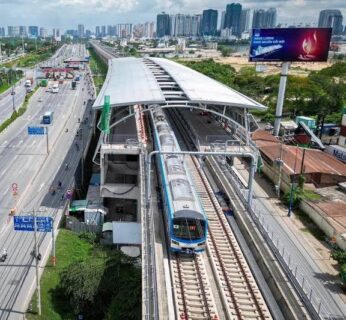
Project Fact Sheet
Project: Ho Chi Minh City-Long Thanh International Airport metro extension.
Type: Urban metro and airport connectivity infrastructure.
Location: Ho Chi Minh City and the Long Thanh area, Vietnam.
Proposed financing: Up to $2.5 billion from UK Export Finance.
Main connection: Ho Chi Minh City to Long Thanh International Airport.
Infrastructure role: Provides a planned mass-transit connection to the new international airport.
Development context: Part of Ho Chi Minh City’s wider metro expansion program.
Airport context: Long Thanh International Airport is undergoing major construction.
Wider metro target: Ho Chi Minh City plans 187 kilometers of metro infrastructure by 2030.
Financing framework: UKEF has committed up to $6.5 billion in potential Vietnam financing.
UK participation: Financing can support eligible British goods, services and technology.
Strategic purpose: Strengthens transport connectivity while supporting Vietnam’s infrastructure expansion.
Project Team
Financing agency: UK Export Finance is the United Kingdom’s export credit agency.
Vietnamese government: Vietnam’s Ministry of Finance is the government counterpart for UKEF financing cooperation.
City authority: Ho Chi Minh City authorities are responsible for advancing the metropolitan railway program.
Airport authority: Vietnamese authorities oversee development of Long Thanh International Airport.
Urban rail agency: Ho Chi Minh City’s urban railway management authority supports metro development.
British suppliers: Eligible UK companies could provide equipment, technology, engineering and professional services.
Transport stakeholders: Vietnamese infrastructure agencies will coordinate the metro and airport connectivity requirements.

Leave a Reply