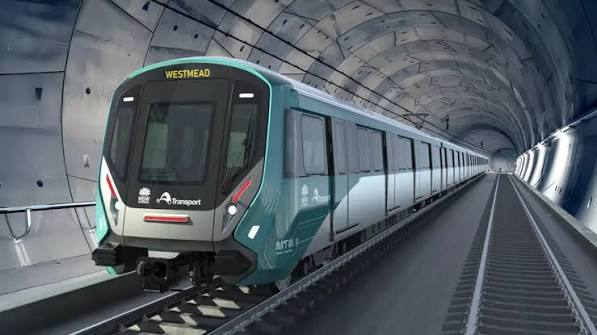
Western Sydney metro faces a deepening construction crisis after its main contractor stopped payments to subcontractors. The $11 billion Australian project now faces growing financial uncertainty and renewed questions about delivery. Webuild has informed subcontractors that it cannot settle approved invoices for October work. The contractor reportedly blamed delayed progress payments from Sydney Metro, the NSW Government’s delivery authority.
Consequently, subcontractors face mounting cash-flow pressures as the Christmas period approaches. The dispute threatens construction continuity across one of Australia’s major transport infrastructure developments. It also raises concerns about workers, suppliers and smaller construction businesses. However, the NSW Government disputes claims that it withheld progress payments. The disagreement follows failed negotiations over additional project funding and delivery costs.
The financial standoff follows the NSW Government’s November 20 rejection of Parklife Metro’s additional funding claim exceeding A$2 billion.
Western Sydney Metro payment dispute threatens construction progress
Webuild’s decision comes amid an increasingly strained relationship between the contractor and the NSW Government. The dispute centres on additional costs, project delays and contractual responsibilities. Parklife Metro sought additional funding to complete the infrastructure works. However, the government rejected the claim following unsuccessful negotiations.
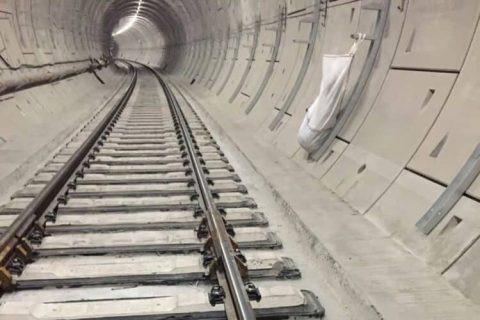
The government attributed the additional costs to several project challenges. These include industrial relations disputes, supply-chain disruptions and design changes. One significant issue involves elevated walkways for emergency tunnel evacuation. The government argues that earlier planning failed to incorporate these safety provisions.
Nevertheless, the NSW Government maintains that contractors must honour existing contractual obligations. Transport Minister John Graham said the government would protect taxpayers from unsupported financial claims. He also warned against transferring additional costs to public finances.
Meanwhile, Webuild’s reported payment suspension introduces another risk. Subcontractors depend on regular progress payments to maintain labour, equipment and material supplies. Consequently, prolonged delays could affect construction schedules and workforce stability.
Western Sydney Metro faces delivery and compliance challenges
The payment dispute compounds existing concerns about subcontractor compliance. An independent probity investigation identified serious irregularities within parts of the construction supply chain. These included cash-in-hand payments and taxation non-compliance.
Investigators also identified underpayment of statutory and industrial entitlements. Additionally, one labour-hire subcontractor lacked adequate workers’ compensation insurance. Inadequate record-keeping also featured among the reported compliance failures.
The government subsequently introduced corrective measures across the project. These included removing certain subcontractors and strengthening payment verification procedures. It also established anonymous reporting channels for workers. Furthermore, NSW introduced stronger integrity requirements across major government construction contracts.
The dispute has also affected the project’s delivery timetable. The government currently identifies September 2027 as the contracted completion date. However, earlier delays have already disrupted the original opening programme. The airport opened in October 2026 without its planned metro connection.
Therefore, passengers currently depend on interim bus services connecting St Marys and Western Sydney International Airport. The government operates these services until the metro becomes operational.
Western Sydney Metro construction scope and delivery responsibilities
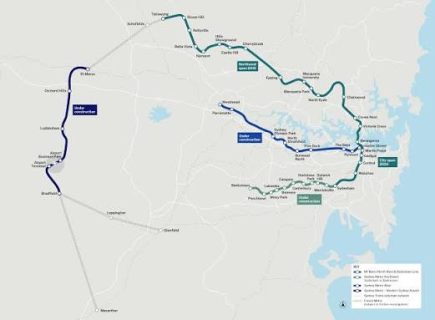
The 23-kilometre railway will connect St Marys with the Western Sydney Aerotropolis. It will provide direct connections to Western Sydney International Airport and surrounding communities.
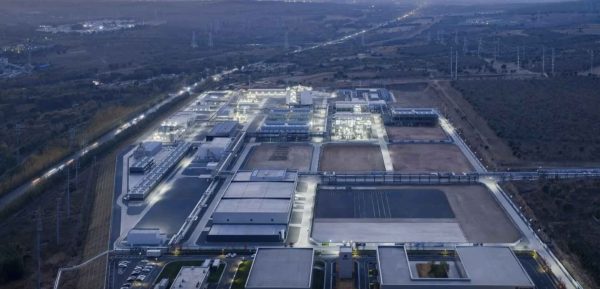
The construction programme includes six new metro stations along the route. Two stations will serve the new international airport. Additionally, the project includes a stabling and maintenance facility at Orchard Hills.
The consortium will deliver railway infrastructure, signalling and electrical systems. It will also supply 12 driverless metro trains for passenger services. Siemens Mobility has already delivered the first train for testing and commissioning.
Furthermore, Parklife Metro will maintain and operate the line for 15 years. This arrangement forms part of the project’s public-private partnership structure. The consortium includes Plenary Group, Webuild, Siemens and RATP Dev.
However, the latest financial disagreement raises questions about contractual coordination. It also places greater attention on payment administration throughout the subcontracting chain. The government expects Parklife Metro to continue delivering its contractual obligations.
The next phase will depend on resolving outstanding financial and contractual disagreements. Meanwhile, subcontractors face uncertainty over payments for completed construction work. Their financial position could influence the project’s remaining delivery activities.
The September 2027 completion deadline therefore remains an important milestone. Any further disruption could affect the railway’s integration with the recently opened airport.
The metro development also forms part of broader transport infrastructure investment around Sydney Airport. Earlier, the NSW Government advanced the $2.6 billion Sydney Gateway project, completing an 800-metre flyover to improve airport access.


Leave a Reply