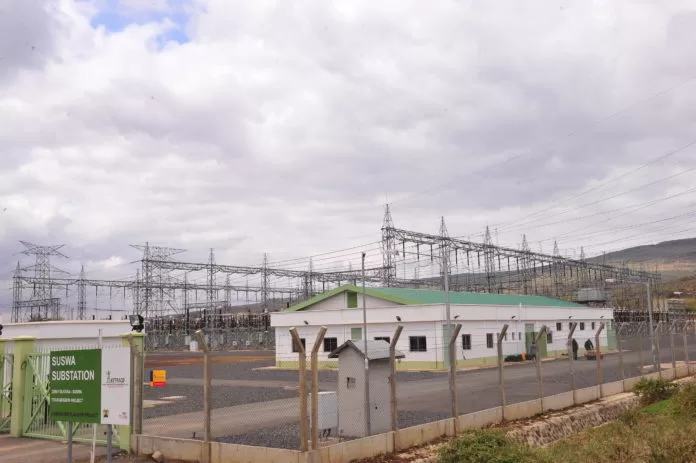
The Lamu–Suswa transmission line project is a planned high-voltage power infrastructure development in Kenya intended to link Lamu and Suswa. The project, estimated at approximately $380 million, experienced delays following the termination of a public-private partnership arrangement with Adani Group.
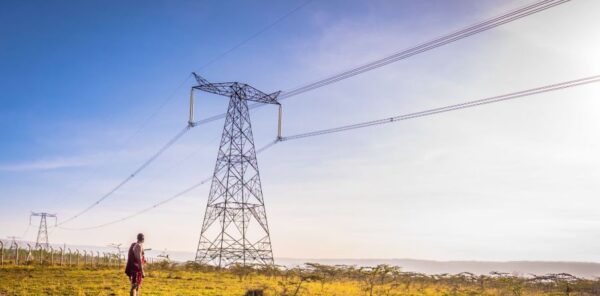
The transmission line, planned to extend approximately 400 kilometres, is designed to connect the region to the national electricity grid as part of broader energy network development. Following the suspension of the initial arrangement, the Kenyan government engaged the World Bank regarding potential financing options for the project.
The latest update regarding the critical power infrastructure in that region is the successful completion of the Loiyangalani–Suswa 400kV Grid Restoration Project, aimed at stabilizing the evacuation of wind power from Northern Kenya to the national grid.
Other Projects
Despite progress on the Lamu-Suswa transmission line project, the Loiyangalani-Suswa transmission line project has not been as smooth. Congolese-based Entreprise Générale Malta Forrest (EGMF) is set to receive a payout from a stalled transmission line project by KETRACO. The High Court has ordered the state-owned entity to pay sh220 million over the stalled Loiyangalani-Suswa wind power project. However, the court rejected the company’s claim for sh500 million compensation in idle time. It also denied its request to be reimbursed for prolongation costs.
Also read:
Africa’s Largest Geothermal Producer Sets Plans to Ramp up its Output with Hell’s Gate Project
The Significance of the Lamu-Suswa Power Project
Energy Cabinet Secretary Opiyo Wandayi said after the collapse of the Adani deal that the Lamu-Suswa power project would still be on course. The involvement of the World Bank will ensure that work gets expedited. Moreover, it will make sure gets completed on time. The transmission line will boost Kenya’s electricity distribution capacity. This project will further help integrate wind and solar renewable sources into the grid.
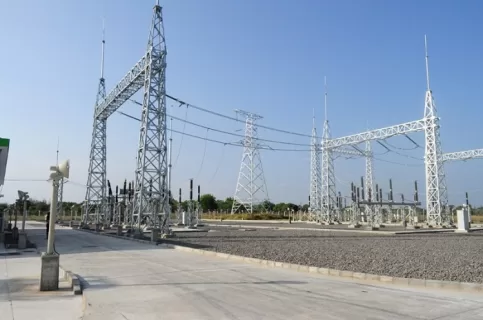
The Lamu-Suswa power project is also line with Kenya’s Vision 2030. It outlines a blueprint that has infrastructural development at the heart of its economic development. Moreover, energy access is regarded as a driver of industrialization and job creation. Despite this setback, officials still remain optimistic. Expertise and financial backing from the World Bank could provide the scope required for the project to be delivered on time. Meanwhile, Kenya is still focused on securing a stable energy future.
Also read:
$1.3 Billion Adani’s Power Lines Construction in Kenya
Adani to Construct World’s Largest Renewable Energy Project in Gujarat India



Leave a Reply